Apple ends support for Intel-based Macs in upcoming macOS 27 system
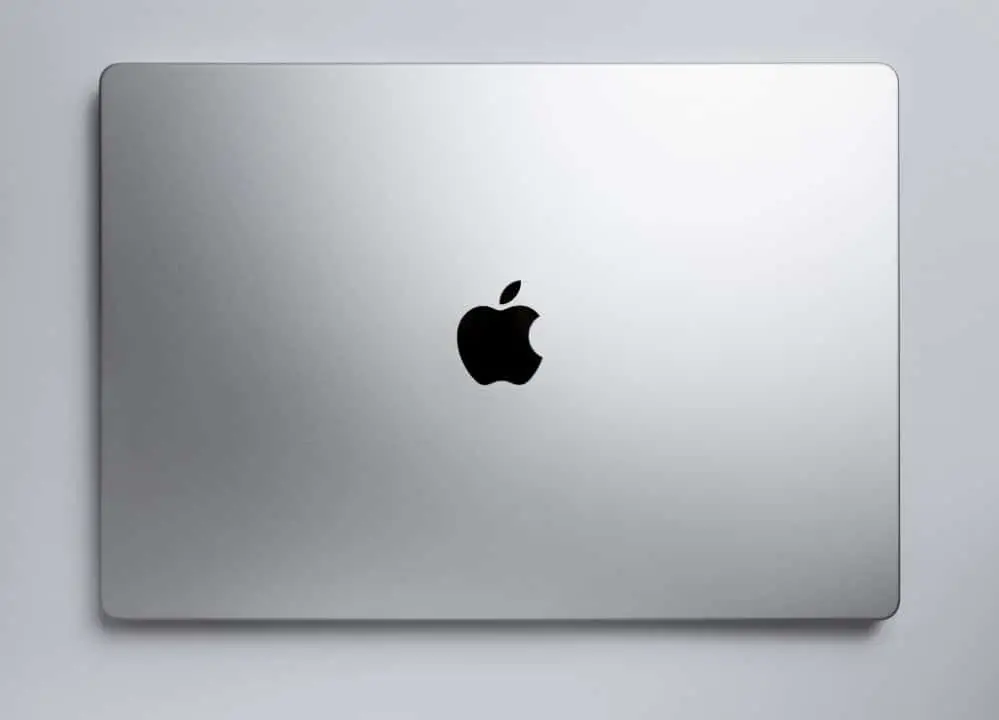
Apple has officially announced that the life cycle of computers equipped with Intel processors is coming to an end as far as next-generation software updates are concerned. Durante the conference Platforms State of the Union, held at WWDC 2025, the company revealed that the current macOS 26 Tahoe will be the last version of the operating system compatible with the x86 architecture of the Intel. With this decision, the future macOS 27, expected to arrive to the market in the second half of 2026, will require the use of the technology giant’s own manufactured hardware.
This strategic change consolidates the transition that began in 2020, when the first models with the M1 chip were presented to the global public. The company’s goal is to optimize operating system performance to take full advantage of the artificial intelligence and energy efficiency capabilities present in M-series chips. Dessa However, users who still have robust machines, but based on old technology, will need to plan the migration to new devices to access the software’s new features.
- The beta version of macOS 27 is expected to be released to developers in June 2026.
- The official launch for the general public is scheduled to take place in September of the same year.
- Only devices with M1, M2, M3, M4, M5 chips or the new A18 Pro will be supported.
- Iconic models like the 2019 Mac Pro will lose access to major updates.
Devices that lose compatibility with the new update
The exclusion of the Intel processors directly affects a specific list of computers that are still supported on the current system, macOS Tahoe. Entre the models that will not be able to install macOS 27 are the 16-inch MacBook Pro released in 2019 and the 27-inch iMac manufactured in 2020. Também the 13-inch MacBook Pro with four ports Thunderbolt, launched in 2020, and the tower version of the Mac Pro from 2019, which at the time was considered the company’s most powerful machine, are left out.
Owners of this equipment will continue to receive security updates for a specified period of time, ensuring the machines remain safe for everyday use. Entretanto, redesigned interface features and new productivity tools will be restricted to models using the ARM architecture. Essa measure is seen by the market as the final step towards the total unification of the brand’s hardware and software ecosystem.
More on this story: Xiaomi launches Redmi Book Pro 2026 to compete with MacBook Pro M5 and Neo models
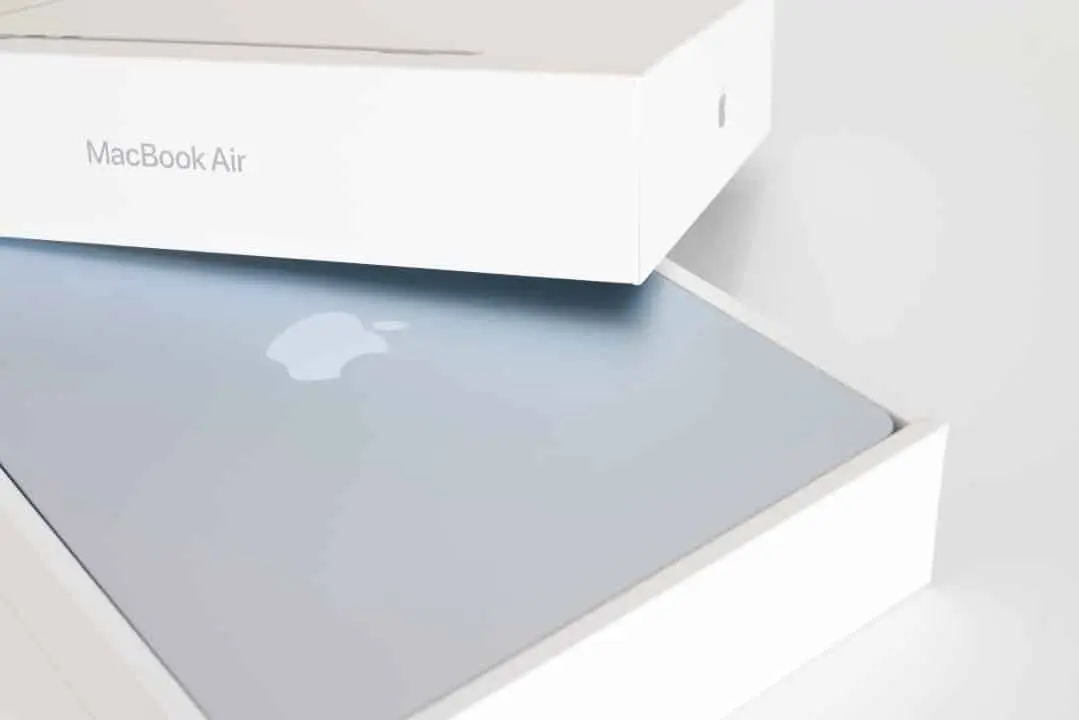
MacBook Neo and the use of the A18 chip Pro in computers
One of the big surprises for the next update cycle is the inclusion of the MacBook Neo in the list of devices compatible with macOS 27. The Este model, recently launched in March 2026, breaks with tradition by using the A18 Pro chip, originally developed for the iPhone 16 Pro line of smartphones. Mesmo is not part of the M-series family, the processor has an architecture compatible with the technical requirements that Apple imposed for the new phase of its desktop operating system.
The strategy of using mobile device chips in entry-level laptops aims to offer more competitive prices without sacrificing performance in essential tasks. The MacBook Neo positions itself as an affordable entry point for students and professionals seeking software longevity within the ecosystem. With this, Apple ensures that even its low-cost products are ready for the innovations that will be presented at WWDC 2026.
Complete transition to our own architecture after six years of migration
The end of support for Intel marks the end of a transition plan that lasted exactly six years since its initial announcement. Apple has always made it clear that vertical integration between hardware and software would enable advances that third-party technology could not keep up with. With macOS 27, the company will have complete freedom to remove legacy codes that were maintained only to ensure operation on x86 chips, making the system lighter and faster for Apple Silicon users.
See Also


Technology industry analysts point out that removing support for Intel also makes it easier to implement advanced neural processing and machine learning features. Como all M line chips and the A18 Pro have dedicated Neural Engine cores, developers can create smarter software. Essa standardization eliminates fragmentation and allows the same features to run consistently across the brand’s entire product line, from the most basic to the most advanced model.
Impact for professional users and companies with older fleets
Many companies and creative studios still operate with the 2019 Mac Pro due to its expandability and raw power for heavy rendering tasks. The announcement that macOS 27 will not be coming to these machines could accelerate a hardware upgrade cycle in the corporate sector. Embora hardware remains functional, the lack of official support for the new operating system may make it difficult to use future versions of third-party professional software, which usually require the latest version of macOS.
For home users, the change is less drastic, as security support must be maintained for at least two years after the release of macOS 27. Isso means that a 2020 iMac will still be able to browse the internet and perform basic tasks with vulnerability protection until mid-2028. However, the resale value of these Intel models on the used market is expected to take a sharp drop following the official release of the next year’s compatibility list.
Full coverage: News (EN)
Final end of translation engine Rosetta 2 on the horizon
Another relevant point that accompanies the exclusion of Intel processors is the future of Rosetta 2, the translation layer that allows old applications to run on Apple Silicon chips. With macOS 27 being exclusive to its own chips, Apple signals that dependence on non-native software should end soon. The expectation is that support for Rosetta 2 will be phased out, forcing developers who have not yet updated their applications to the ARM architecture to do so immediately.
Removing this compatibility layer will result in an even cleaner, more efficiency-focused operating system. Usuários who rely on old audio plugins or niche tools that have never been updated should start looking for modern alternatives. Apple recommends that customers check the compatibility of their essential applications before migrating to the new system versions arriving next year.
Technical details of official support for macOS 27
Confirmation of exclusive compatibility for Apple Silicon resolves the doubts of thousands of users who questioned how long hybrid models would be supported. macOS 27 will require a specific instruction set that is only present in chip designs developed in Cupertino. Isso includes hardware-based security improvements and new memory management protocols that are incompatible with past generations of Intel.