Apple prepares iPhone 18 Pro for 2026 with invisible camera and retro look

The Cupertino giant is already planning a profound reformulation for its main line of cell phones, with a focus on the launch of the iPhone 18 Pro, scheduled for September 2026. This strategic move demonstrates the manufacturer’s focus on mixing unprecedented visual advances with a historical recovery of its own trajectory, combining nostalgic appeal with state-of-the-art components to deliver a differentiated product to the consumer.
The big bets of this future generation focus on the adoption of a partially translucent rear finish and the long-awaited end of the interactive notch, which will give way to a front lens embedded under the display. In addition to the aesthetic renovation, the next devices promise significant leaps in photographic quality, processing power and energy efficiency, consolidating the brand’s dominance in the very high-end sector.
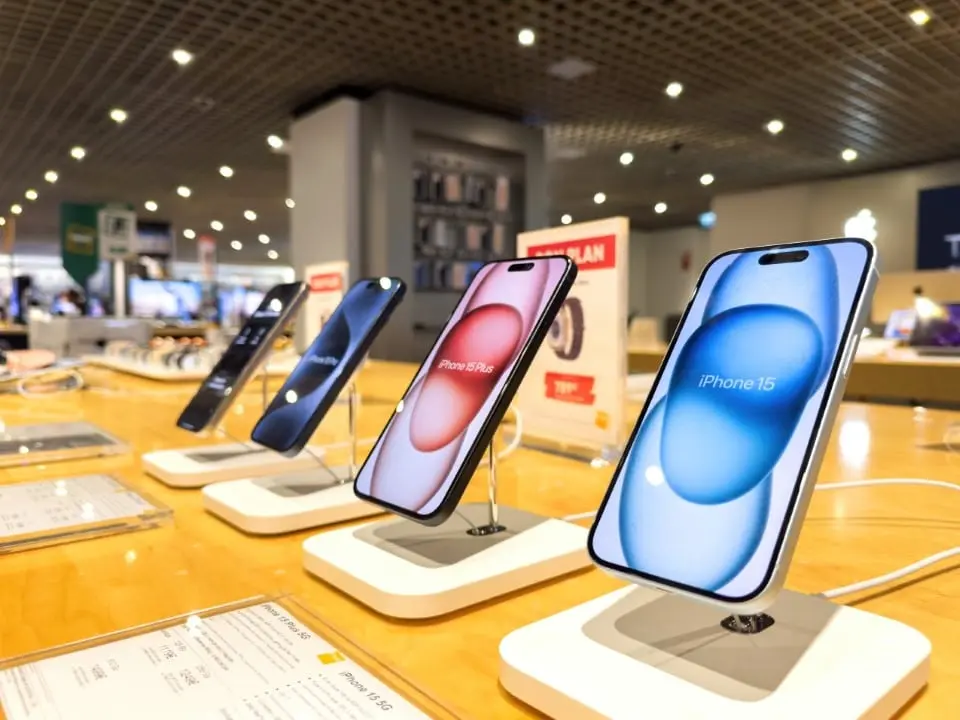
Even with so many paradigm shifts, the panel sizes should remain unchanged in relation to the most recent standards: 6.3 inches for the traditional model and 6.9 inches for the Max variant. The rear lens block, although it houses sensors completely redone internally, will maintain the visual identity already established by past generations, ensuring that the public recognizes the smartphone instantly.
On the same topic: Apple prepares launch of foldable cell phone and redesigns the look of the premium line
Nostalgic inspiration brings back the golden age of colorful computers
The starting point for this new visual language goes directly back to the iconic computers of the turn of the millennium, specifically the iMac G3 and the original iBook, famous for their vibrant casings that left the circuits exposed. The company’s tactic seems to be to awaken the affectionate memories of older fans, celebrating the period in which Steve Jobs revived the brand and transformed it into an absolute symbol of excellence in industrial design.
The main physical highlight of the future cell phone will be a section of crystal clear glass positioned on the back cover, exactly over the magnetic alignment area known as MagSafe. This strategic window will expose vital hardware components, such as induction coils for wireless charging and small cutouts on the logic board, generating a striking and futuristic aesthetic impact.
Technology market analysts evaluate this choice as a smart maneuver to reinforce the aura of exclusivity of the ecosystem. By rescuing visual characteristics that marked its greatest commercial triumphs in the past, the manufacturer not only distances itself from the standardized design of its Asian rivals, but also strengthens its emotional ties with its most loyal customer base.
This creative route goes against the trends adopted by brands focused on the gaming public, which tend to abuse flashy LED lights, preferring to deliver a much more discreet sophistication. The central objective is to provide an exclusive and refined charm, without compromising the structural rigidity of the chassis or the device’s ability to resist impacts and adverse weather conditions.
The end of screen cutouts and the arrival of the invisible lens
One of the most radical changes projected for the 2026 harvest is the definitive extinction of the interactive island at the top of the panel, a feature that debuted years before. The brand’s engineering team exhaustively tests a mechanism capable of hiding the selfie sensor beneath the pixels, making it imperceptible during everyday use. Projections indicate that this visual cleaning will expand the useful viewing area by around 5%, ensuring much greater immersion when playing movies and games. The infrared emitters for Face ID facial recognition will also be hidden, although small traces may still be noticeable in bright light, indicating that the fully seamless display will be left for a later iteration.
The manufacturing of these advanced displays involves close collaboration with the display division of South Korean Samsung Display, responsible for providing enhanced OLED matrices that maintain the extreme fluidity of the 120 Hz ProMotion refresh rate. Hiding a lens under the pixels is a complex physical obstacle, as it requires the screen to be transparent enough to allow light to enter without blurring the image capture. The internal bet is that, by the year of launch, the refinement of this technology will reach the rigorous quality standard required by Apple for video calls and self-portraits.
More on this story: Smartphone launches at the end of 2026 rely on flexible screens and advanced chips
Photographic module gains mechanical control of light input
The optical assembly will undergo a mechanical revolution with the introduction of a main sensor equipped with variable aperture, a feature that brands like Samsung itself have already experimented with in the past with the Galaxy S9, but which is now resurfacing combined with much more robust algorithms. In practice, the user will be able to physically switch the lens aperture. The module’s main improvements include:
See Also

Electrical discharge knocks man off roof in Jaguaruana after contact with power lines

Global auction raises US$11.9 million and Brazil’s historic currency reaches record value

Former fighter Prichard Colón dies at age 33 after decade in a vegetative state
- F/1.4 aperture ideal for dark environments, absorbing maximum light and creating an intense natural blur.
- Perfect f/2.0 aperture to ensure edge-to-edge sharpness in wide landscape photos.
- 48 megapixel periscopic lens with five times optical zoom capability without loss of quality.
- Unprecedented support for recording videos in 8K resolution at 60 frames per second.
All this capture capacity will require unprecedented image processing, something that the new internal architecture promises to deliver with ease.
Performance leap driven by new processing lithography
This entire arsenal of new features, especially the heavy processing of very high-resolution videos, will be orchestrated by the unprecedented A20 Pro silicon. This state-of-the-art component will be forged in supplier TSMC’s revolutionary 2-nanometer manufacturing process, which guarantees a monumental leap in both task execution speed and battery savings.
Learn more: Samsung’s decision on the Galaxy S27 Ultra’s battery prioritizes safety and design
Lithography shrinkage makes it possible to squeeze billions of additional transistors into the same physical space, dramatically accelerating local artificial intelligence and machine learning operations. This gain in brute force is what will enable the application of complex filters in real time in cinema mode and the execution of much more proactive virtual assistants directly on the device.
The arrival of this cutting-edge machinery will occur simultaneously with the launch of the iOS 27 operating system. Perfect synchronization between the software code and the hardware architecture will be essential for the variable aperture camera gears and the invisible lens correction algorithms to work fluidly and without choking for the end consumer.
Advanced thermal management and extended runtime
To deal with the heat generated by so much firepower, the internal structure will undergo a drastic change: the battery casing will no longer be made of aluminum and will use stainless steel. This metallic shield not only increases resistance against direct impacts by around 20%, but also optimizes thermal dissipation by 15%, preventing the smartphone from reducing screen brightness or losing performance during intense use sessions.
Learn more: Apple prepares iPhone 18 Pro with Face ID under the screen and 2 nanometer chip
Confidential tests indicate that the most expensive variant in the line will house a 4,800 mAh energy tank, capable of sustaining up to 30 hours of mixed use away from the socket. This enviable efficiency is also a merit of the first 5G connection modem designed entirely by the manufacturer itself, which replaces third-party parts and drains much less charge. In the field of sustainability, the project foresees that the energy modules will be built with an impressive 95% recycled materials, reinforcing the company’s environmental goals.
Radical change in the global release calendar
The commercial cycle between 2026 and 2027 will bring a historic break in the company’s traditional schedule. The iPhone 18 Pro and Pro Max variants will hit global shelves in September, while the basic and Plus editions will have their launch postponed to the first half of the following year. This tactical division aims to focus all the media spotlight on premium innovations during the holiday season, creating a second moment of strong sales appeal months later with more affordable models.
Proven durability and return of classic colors
The adoption of a rear with translucent areas raised initial doubts about the fragility of the glass and possible antenna blockages. However, information coming directly from Asian assembly lines ensures that the prototypes have passed rigorous physical stress tests and that the observation window does not cause any interference with telephone networks, Wi-Fi or Bluetooth connections. The secret behind this technical feasibility lies in the application of special polymeric films that allow radio waves to pass freely.
The maximum certification against accidental dives into water and dust infiltration will continue to be present, guaranteeing the integrity of the equipment. The chassis forged in aerospace titanium, praised for combining lightness and extreme rigidity, will remain exclusive to the more expensive versions. To crown the nostalgic appeal, the market awaits the triumphant return of epoch-making color options, including a modern and highly scratch-resistant reinterpretation of the coveted glossy black finish.