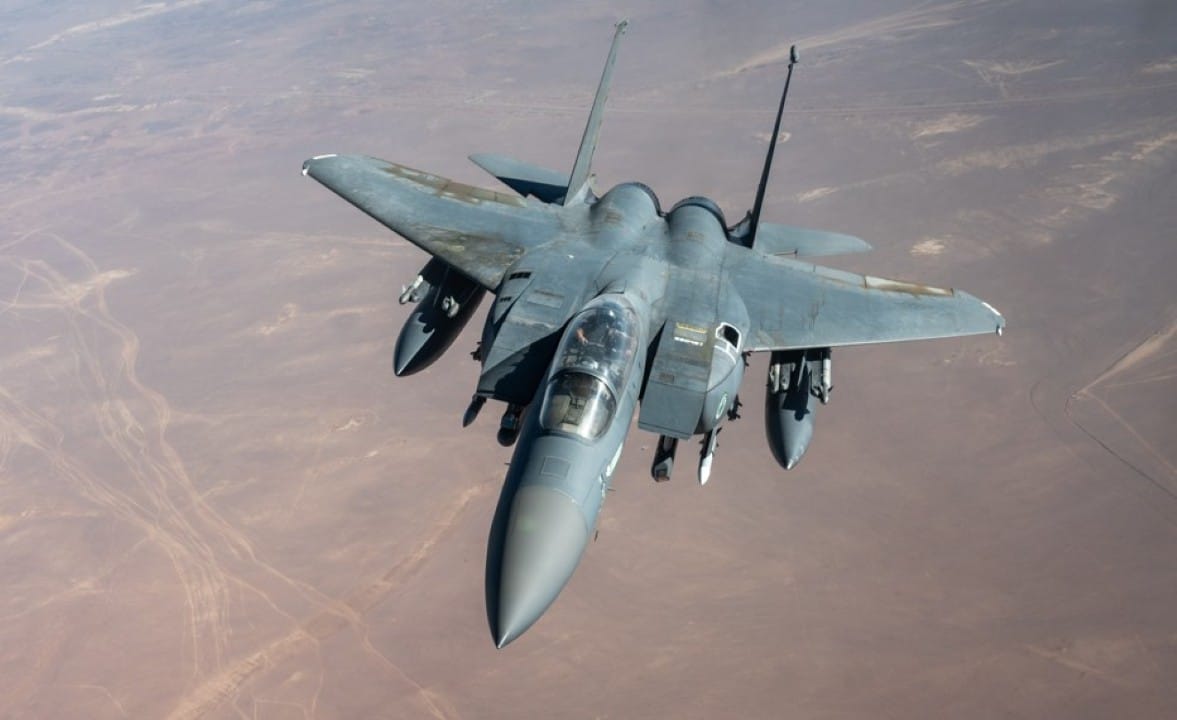
Agência Central of Inteligência of Estados Unidos first employed a classified technology called Ghost Murmur to locate and rescue a downed American pilot south of Irã. The system detected the airman’s heartbeat while he remained hidden for about 40 hours in a crevasse of mountain. Forças Americans conducted a complex rescue mission that involved hundreds of military personnel, multiple aircraft and Israeli support. Dois Planes were rendered useless and destroyed on site to prevent the capture of sensitive technology.
The pilot, identified only as Cara 44 Bravo and crew member of an F-15E fighter, survived the shootdown caused by the defenses of Guarda Revolucionária Islâmica. Ele activated a traditional location signal after leaving hiding, which allowed precise confirmation of the position using the new tool. The operation lasted approximately 40 hours and ended successfully before dawn on Sunday, with no casualties reported among American rescuers.
- The fighter was shot down in a remote area in the south of Irã.
- The airman remained hidden for two days in desert conditions.
- Iranian searches included a reward for the soldier’s capture.
How technology works Ghost Murmur
The tool combines long-range quantum magnetometry with artificial intelligence to identify the electromagnetic signature generated by human heartbeats. The system filters environmental noise and isolates the vital signal even in terrain with low electromagnetic interference. Fontes close to development indicate that the equipment was created by division Skunk Works of Lockheed Martin, responsible for the company’s advanced projects.
Previous tests have taken place on Black Hawk helicopters, with prospects for future integration into fighters such as the F-35. The detection happened when the pilot moved to emit the traditional signal. Condições locations, such as the lack of human presence and the thermal contrast of the desert, contributed to the success of remote reading.
Ghost Murmur represents advances in quantum sensing applied to intelligence and rescue operations. Especialistas highlight that, under appropriate conditions, the system can locate individuals based solely on heart rate. The name references the ability to track hidden targets, such as a “ghost whisper” in the environment.
Details of the rescue mission in southern Iran
American teams deployed more than 150 aircraft in support of the operation, including in-flight refueling and deception elements to confuse Iranian forces. The CIA indirectly confirmed that the aviator remained alive and hidden during the initial searches. The president of Estados Unidos followed the action as it unfolded and compared the difficulty of finding the soldier to locating a needle in a haystack.
The rescue involved coordination between intelligence agencies and special forces. Helicópteros and support aircraft participated in the extraction in mountainous and hostile terrain. Após pilot withdrawal, damaged aircraft were destroyed on site to protect sensitive equipment.
- Hundreds of American soldiers participated in the ground and air operation.
- Israeli support helped with logistical and intelligence aspects.
- The mission took place amid heightened tensions at Oriente Médio.
Context of the downing of the f-15e fighter
The F-15E was shot down by Iranian air defenses during actions in the south of the country. A second soldier on board was injured following the incident. The pilot managed to eject and seek shelter in a natural crevice in the mountain, where he remained for two days while local forces carried out intense searches.
Traditional beacon technology sent encrypted signals, but did not offer sufficient accuracy for immediate rescue in a vast and remote area. Activating the signal allowed Ghost Murmur to confirm the exact location in real time. Autoridades Americans indirectly mentioned the use of advanced assets during updates on Casa Branca.
The operation highlighted the challenges of search and rescue missions in adversary-controlled territory. The pilot endured without voice communication or additional conventional devices during the initial period of concealment.
Advances in quantum sensing for military operations
The development of the system involves sensors based on synthetic diamonds capable of capturing subtle magnetic fields generated by the heart. Artificial intelligence processes the data to differentiate the human signal from environmental interference such as wind, animals or equipment. Essa combination allows detection at significant distances in operational scenarios.
Sources with knowledge of the project say the equipment was tested in controlled environments before actual application. The first field use occurred precisely during this rescue mission at Irã. Futuras versions can expand capabilities for real-time monitoring or integration with more advanced aerial platforms.
Lockheed Martin has not issued official comments regarding involvement in the technology. The program remains highly classified, with few public details about exact range or limitations in different atmospheric conditions.
Reactions and statements about the use of the new tool
American officials highlighted the success of the operation as a result of the integration of innovative intelligence capabilities. The CIA director reinforced that the aviator was kept alive and located thanks to advanced technical means. The president followed real-time updates from Salão Oval as the action unfolded.
The mission took place in a context of escalating tensions, with reports of bombings and casualties in Iranian urban areas. Autoridades emphasized the priority of protecting American military personnel in hostile territory. The rescue was completed without further incident for the forces involved.
Ghost Murmur opens perspectives for new search and rescue protocols in high-risk environments. The system demonstrated effectiveness in confirming position amidst active enemy searches and rewards offered for capture.
The operation reinforces the importance of investing in remote sensing technologies to preserve lives in conflicts. Equipes rescue services relied on data transmission via military satellite to monitor progress in real time.