Video details the interior of the Vivo X300 Ultra and shows how giant sensors were integrated

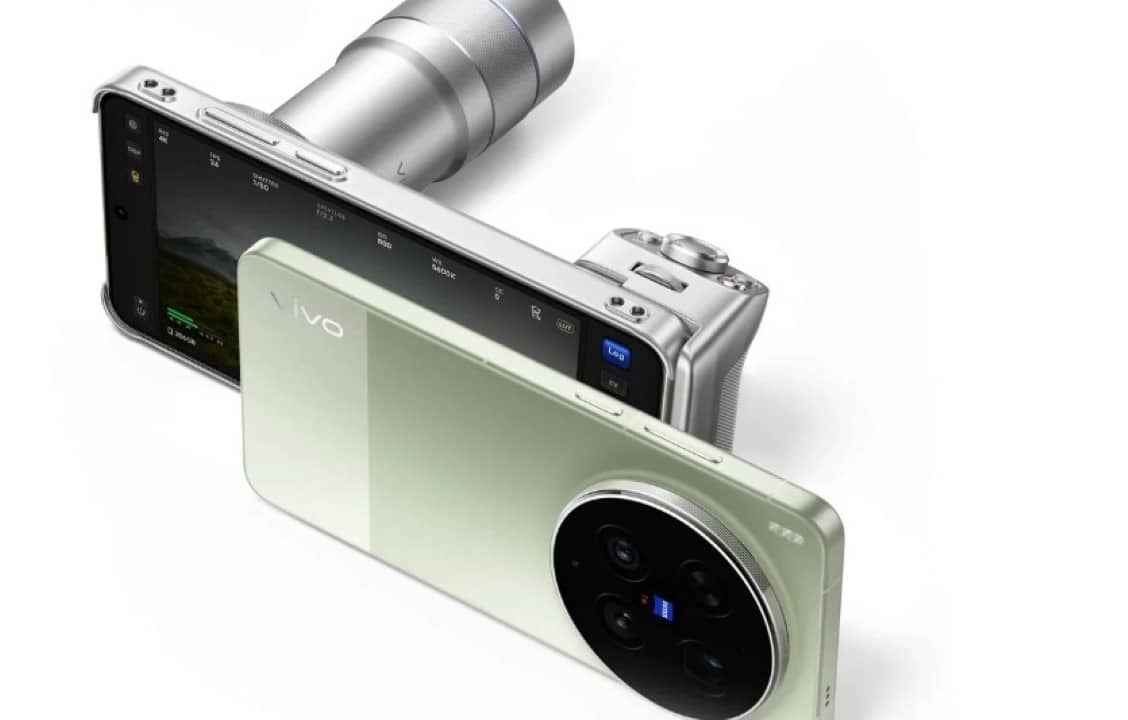
The mobile technology market is closely following the technical details of the recently launched Vivo X300 Ultra, which had its interior completely exposed in a detailed teardown video. Technical analysis carried out by hardware experts shows how the Chinese manufacturer managed to solve complex physical challenges to accommodate a photographic system of unprecedented dimensions. The device utilizes an internal structure optimized to support massive image sensors, ensuring thermal performance and structural integrity remain stable even under heavy use of image processing functions.
The organization of the components reveals meticulous industrial design work, where every millimeter of the chassis was used to avoid interference and overheating. The disassembly confirms that Vivo adopted a strategic approach in arranging the plates and coils, prioritizing the stability of the camera modules that dominate the top of the device. Esta Precision engineering is what allows the model to deliver cutting-edge features in a body that maintains the portability demanded by premium smartphone users.
The main innovations identified in the device’s internal structure include:
- High conductivity graphite heat dissipation module for rapid cooling.
- Chassis reinforced with high-strength materials to support the weight of the optical glasses.
- Vertical arrangement of peripheral components to free up space for the periscope sensor.
- Reinforced electromagnetic shielding to protect signal processing circuits.
Internal structure prioritizes gigantic image sensors
The absolute highlight of the technical analysis falls on the integration of the almost one-inch main sensor Sony Lytia 901, which requires considerable physical space inside the device. Para To make this component viable, the manufacturer had to redesign the motherboard in unconventional formats, allowing the 200 megapixel lens to operate without obstructions. The Samsung ISOCELL HP0 200-megapixel periscopic telephoto lens also occupies a significant area, dictating the position of almost all other internal hardware elements.
The need to accommodate such large sensors forced the engineering team to look for creative solutions for the charging system and communications antennas. The disassembly video demonstrates that the proximity between the optical modules and the battery required additional thermal insulation to prevent degradation of heat-sensitive components. Mesmo With these space restrictions, the device maintains IP68 and IP69 certification, proving efficient insulation against water and external waste.

High-performance thermal management and heat dissipation
The hardware equipped with the Qualcomm Snapdragon 8 Elite Gen 5 platform generates considerable heat that needs to be dissipated efficiently to avoid performance drops. Disassembly revealed the presence of an enlarged vapor chamber that covers both the processor and the latest generation RAM memories. The use of high-performance thermal paste and conductive adhesives at critical points ensures that heat is transferred quickly to the metal outer casing.
In addition to the vapor chamber, Vivo applied multiple layers of graphite that help distribute the temperature across the entire back of the smartphone. Essa strategy prevents the formation of excessive heat spots that could cause discomfort to the user during long photography sessions or high-resolution video recording. The balance between the power of the processor and the efficiency of the heatsinks is one of the most praised points in the internal construction of this exclusive model.
The energy and processing system has:
- 6,600 mAh high-density battery split to support 90W charging.
- Compactly integrated 40W wireless charging coils.
- Chips dedicated to image processing to ease the load on the main processor.
- Reinforced connectors that prevent failures due to mechanical stress or oxidation.
Efficient use of internal space for peripheral components
Even with the focus on cameras, the Vivo X300 Ultra does not neglect other vital components that guarantee the complete user experience. The 3D ultrasonic fingerprint sensor is positioned under the 6.82-inch LTPO AMOLED panel, occupying a minimal area that does not interfere with battery capacity. The stereo speakers and haptic vibration motors have been relocated to the lower edges to allow maximum use of the center of the chassis.
The technical analysis reinforces that the manufacturer used miniaturized components in areas where space was scarce, without compromising sound quality or connectivity. The network antenna was integrated into the side frame using advanced plastic injection, allowing a stable signal even with the presence of so many internal metal components. Essa Assembly versatility is what differentiates the Ultra model from other devices in the same category that have less complex camera systems.
Structural strength and protection against external elements
The construction of the Vivo X300 Ultra uses materials that provide rigidity to the assembly, preventing the excessive weight of the glass modules from causing flexion in the chassis. Durante dismantled it, it was possible to observe rubber seals on all ports and physical connections, which ensures protection against diving and high pressure water jets. The use of different sized screws and precision fasteners keeps each part in place, even after accidental drops or moderate impacts.
The glass back panel is attached with a strong-tack industrial adhesive, which acts as an additional barrier against dust from entering the image sensors. Manter Clean sensors are crucial to photo quality, and internal engineering ensures the optical compartment remains sealed against microscopic particles. Essa Robustness is an indication that the device was designed to last, facing adverse conditions without losing its main functionality.
Integration of biometric display and interaction technology
The 2K resolution display with 144 Hz refresh rate requires high-speed data connections that run through ultra-thin flexible cables on the side of the battery. Disassembly showed that these cables are protected by layers of polymer to prevent damage due to internal friction with the metal chassis. The precision fitting of the front panel allows the device to maintain minimal bezels while housing high-brightness and accurate color technology.
The ultrasonic biometric reader is another highlight, being faster and safer than conventional optical readers found in simpler models. Sua installation requires perfect alignment with the display glass to ensure that the sound waves map the user’s fingerprint accurately. Ver these components working in harmony reveals the level of technical maturity that the smartphone industry has reached in the year 2026.
Image processing and artificial intelligence in hardware
In addition to physical sensors, the Vivo X300 Ultra has specific coprocessors dedicated to artificial intelligence and real-time photo processing. Esses chips are visible on the logic board as independent units that work in conjunction with the Qualcomm platform to reduce visual noise in nighttime images. The presence of this dedicated hardware explains the capture speed, even when generating very high resolution files with the 200 megapixel sensors.
Software optimization via OriginOS 6 makes the most of these components, allowing the user to switch between ultrawide and telephoto lenses instantly. The disassembly proves that communication between the camera modules and the central unit is carried out via large-scale data buses, avoiding delays in the camera display. Essa Internal digital infrastructure is the foundation for the advanced optical zoom and electronic stabilization functions that the model offers.
Connectivity and support for high-speed networks
The bottom of the device houses the communication modules that support global mobile network bands and the latest Wi-Fi technologies. The antennas are distributed in such a way as to prevent the user’s hand from blocking the signal during use in landscape mode, common when taking photos or playing games. The disassembly shows that the USB-C port is assembled modularly, which facilitates eventual repairs without the need to replace the entire main board.
This modular architecture is a welcome advancement, as it allows components that wear out naturally to be replaced at a lower cost to the end consumer. Vivo seems to have balanced technological complexity with an organization that, although dense, follows logical assembly patterns. The end result is a smartphone that represents the pinnacle of current mobile engineering, combining raw power with an extremely refined industrial design.