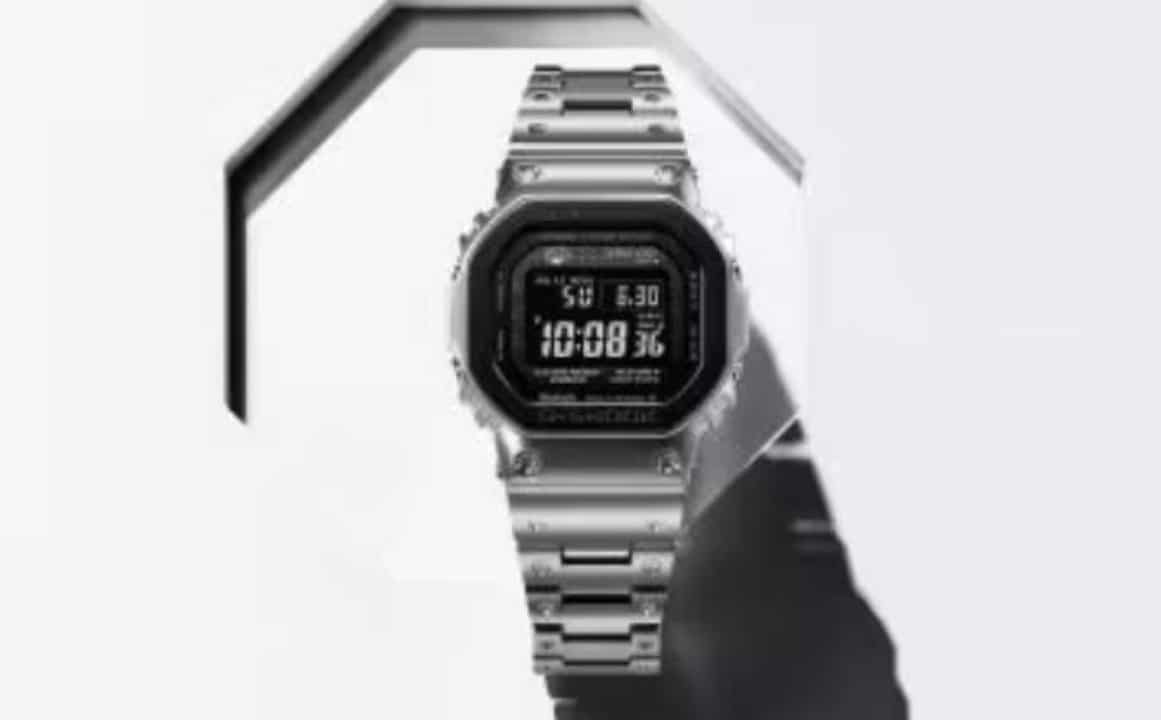
The Japanese electronics manufacturer has redefined the production methods of its flagship line of wrist accessories with the introduction of the GMW-B5000RC-1JR model. The development of the device marks the direct integration of advanced algorithms into hardware engineering aimed at the end consumer, establishing new parameters for the construction of highly durable equipment.
The main innovation of the equipment lies in its internal structure and metallic chassis, designed entirely by autonomous computing systems. The application of this technology allowed the creation of a geometric piece that maximizes the relationship between lightness and protection against severe mechanical impacts, solving a chronic problem in the manufacture of stainless steel cases.
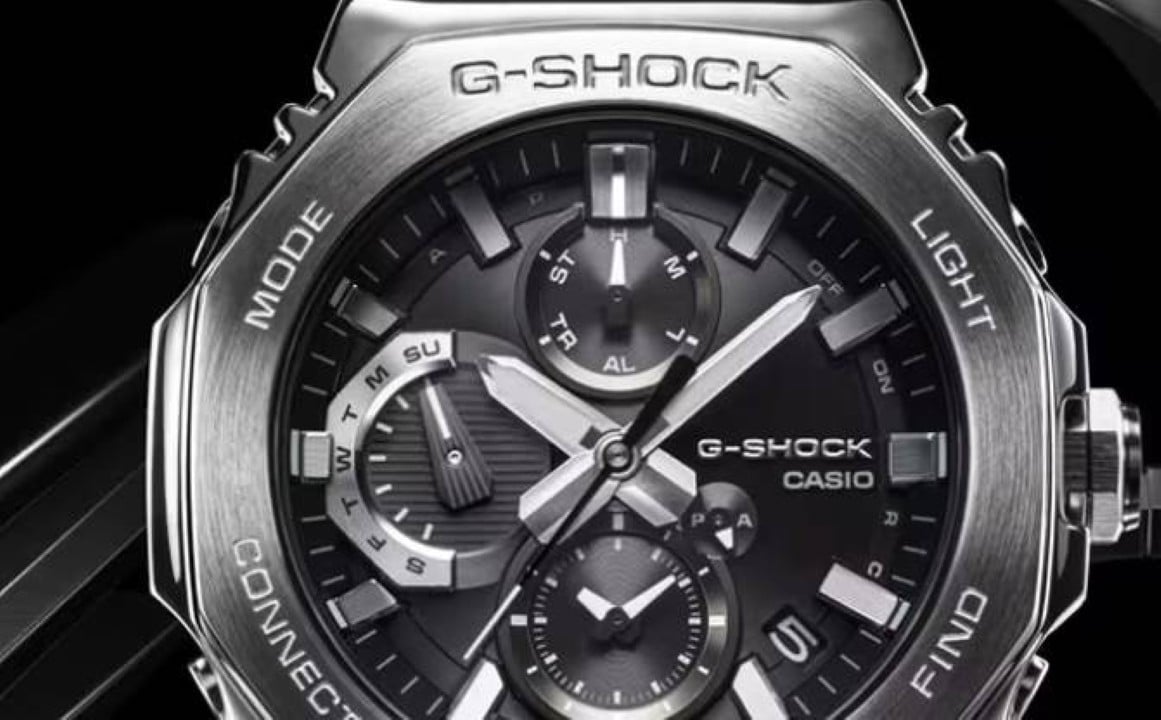
The manufacturing process departs from traditional approaches by delegating mass distribution and kinetic energy absorption to specialized software. The result is a product that maintains the brand’s classic visual identity, recognized globally, but houses a highly complex structural core invisible to the common user.
Computational engineering in hardware design
To achieve the definitive structural format, the development team fed the computer system with a database built over four decades of industrial operations. The repository contained detailed information on crash tests, free-fall simulations on different surfaces, material fatigue analyzes and wear metrics under extreme environmental conditions. Processing this massive volume of information allowed the algorithm to understand the physical limits of stainless steel and propose novel geometric solutions that would take human engineers years to calculate manually.
Based on the restrictions established by the designers, such as maximum acceptable weight and strict external dimensions, the generative design software created thousands of structural variations in a virtual environment. Cada iteration was subjected to simulated mechanical stress scenarios, resulting in the selection of an internal chassis characterized by organic and asymmetrical shapes. Essa configuration eliminates traditional stress points and significantly reduces the volume of metal used in manufacturing, ensuring the absolute integrity of internal electronic components during daily use.
Equipment strength and sealing specifications
The computer-generated architecture solves a historical obstacle in the production of highly durable metal watches, which is excess weight on the user’s wrist. The surgical removal of material in low-impact areas and reinforcement in critical collision areas resulted in a robust and ergonomically viable device for long periods of use.
The model preserves the technical certification of water resistance at depths of up to two hundred meters, qualifying the equipment for professional diving operations. Exposure to harsh aquatic environments is supported by a completely redesigned sealing system to accommodate the new asymmetrical metal core.
The mechanical protective barrier prevents dust particles and moisture from penetrating precision electronic circuits. The integration between the straight-lined outer shell and the complex-geometry internal chassis required millimetric tolerances during the assembly process in industrial facilities.
Global power and synchronization systems
The device’s energy management operates through a proprietary light harvesting technology, capable of converting solar lighting and artificial sources into electricity. The mechanism powers a high-capacity rechargeable battery, extending the equipment’s autonomous operating time by months.
The efficiency of the photovoltaic collection system drastically reduces the need for technical interventions to replace energy cells. The solar panel was integrated into the digital display in a discreet way, ensuring that the original aesthetics of the product did not suffer any noticeable changes.
Time adjustment occurs automatically through the reception of radio signals emitted by six globally distributed transmitting stations. The technology synchronizes the clock with high-precision atomic patterns, correcting temporal variations without any type of manual intervention from the user.
Continuous calibration ensures that data displayed on the liquid crystal display remains accurate regardless of the individual’s geographic location. The system operates in the background, identifying the local time zone and carrying out the necessary updates, preferably during the night.
Mobile connectivity and role management
The equipment has a wireless communication module that allows direct pairing with smartphones through an application dedicated to the most popular operating systems. The mobile interface centralizes alarm configuration, battery charge level monitoring and quick selection of international time zones in an intuitive way.
The daily connection to the mobile device acts as an additional layer of precision for timekeeping, acting as redundancy in case the radio signal fails. Engineers needed to isolate the transmission antenna within the metal structure to avoid signal blockages caused by the high-density stainless steel chassis.
Surface treatment and visual exclusivity
The watch’s exterior finish involves an ion plating process carried out in vacuum chambers, where microscopic layers of color are deposited onto the base metal. The technique exponentially increases the surface’s resistance against scratches and abrasive wear resulting from constant friction with clothes and objects.
The dynamics of ionization generates reflection patterns and tones that vary subtly between each unit produced in the factory, giving each piece unique characteristics. The digital display is protected by a sapphire crystal glass equipped with anti-reflective treatment, optimizing legibility under direct incidence of intense sunlight.
Optimization of resources on the production line
The implementation of generative design in consumer electronics manufacturing sets a new standard for the rational use of raw materials in the precision industry. By calculating the exact amount of steel needed to withstand the impact forces required by quality certifications, the Japanese manufacturer was able to reduce the waste of metallic material and optimize electrical energy consumption during the machining and polishing stages. The computational method attracts the attention of engineering departments in heavy machinery sectors, such as the automotive industry and medical instrument manufacturing, which seek to apply similar logic to develop lighter and equally safe components. The ability to transfer structural complexity to the virtual environment before physical prototyping accelerates the new product development cycle and reduces operational costs associated with design failures in the practical testing phase.
Commercial strategy and international distribution
The initial availability of the product occurred in a targeted manner in the Asian market, with limited batches distributed in specialized boutiques and high-end e-commerce platforms. The rapid absorption of stocks boosted the expansion schedule for the América, Norte and Europa markets, attracting both traditional collectors and enthusiasts of technological innovations, which generated an immediate appreciation of the units in the secondary luxury goods market and consolidated the acceptance of computer-aided engineering in the personal accessories segment.