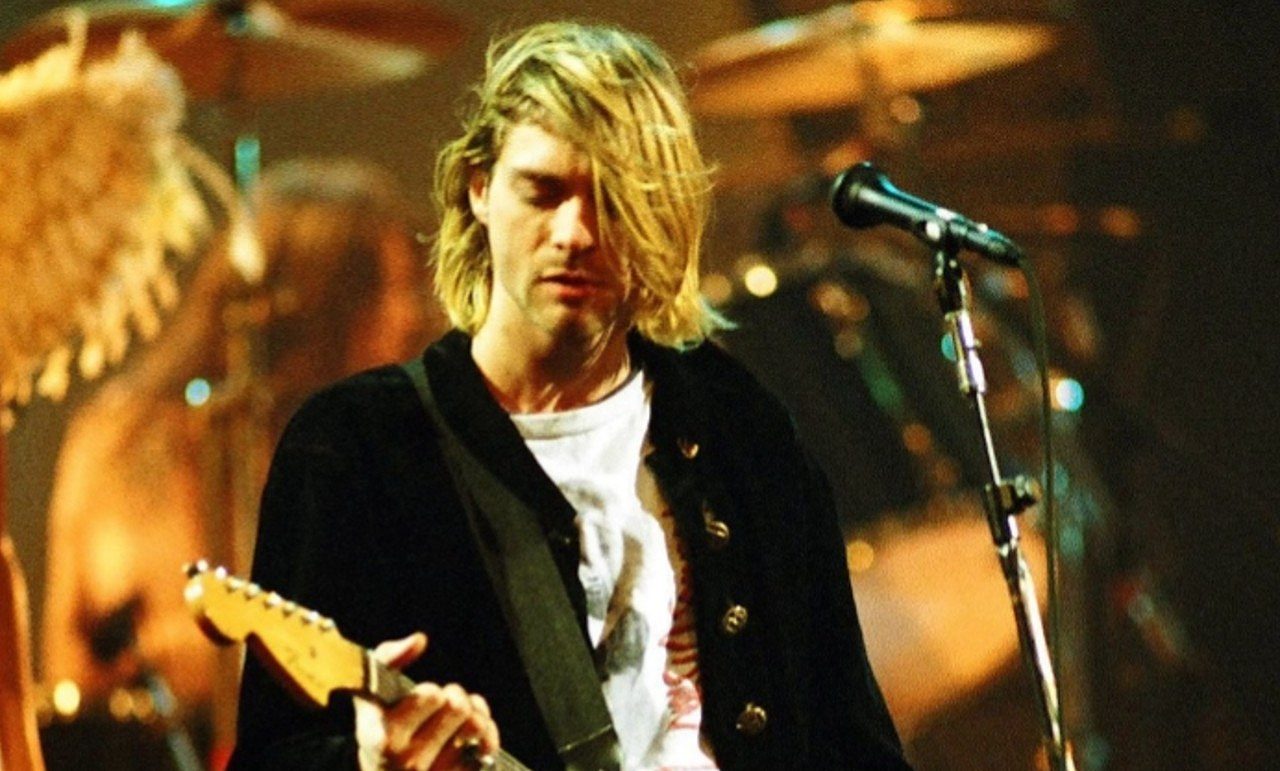
American musician Kurt Cobain was found dead in his home in the city of Seattle exactly 32 years ago. The artist, who acted as vocalist, guitarist and main composer of the band Nirvana, was 27 years old at the time of the incident, recorded in April 1994. Local authorities confirmed the cause as a gunshot wound.
The group’s trajectory changed the dynamics of the recording industry in the 1990s, transferring the attention of major record companies to the alternative scene in the northwest of Estados Unidos. The musical partnership with bassist Krist Novoselic and drummer Dave Grohl resulted in a short discography, but with a high volume of global sales.
Currently, the band’s catalog has billions of plays on on-demand audio services. The original compositions continue to be part of the programming of rock-oriented radio stations and appear on playlists consumed by age groups that did not experience the trio’s period of activity.
Formation of the group and first steps on the independent scene
The origin of the musical project dates back to the city of Aberdeen, in the state of Washington, during the second half of the 1980s. Cobain and Novoselic frequented the same spaces and shared an interest in punk rock and heavy metal bands. The duo began rehearsals with different local musicians before consolidating the group’s definitive name.
The first phonographic contract occurred with the independent label Sub Pop, based in Seattle. The debut album, titled Bleach, hit the market in 1989 and presented a dense sound, strongly influenced by the sound of groups such as Melvins and Black Sabbath. The work had restricted circulation. initially, but established the band on the underground circuit.
The position of drummer underwent several changes in the first years of activity. Músicos and Chad Channing participated in early recording sessions and tours, but the classic lineup only stabilized at the turn of the decade.
Dave Grohl, who worked in the band Scream, moved to the west coast and took over the drumsticks in 1990. The addition of the new member provided the rhythmic precision necessary for the compositions that the vocalist was developing for the next project.
Commercial explosion with the release of the second album
The transfer to the record label DGC Records marked the beginning of production of Nevermind, released in the second half of 1991. The studio sessions were supervised by producer Butch Vig, who helped polish the arrangements without eliminating the energy characteristic of live performances. The single Smells Like Teen Spirit received heavy rotation on the MTV television network, boosting sales of the album exponentially in several international markets.
The album displaced established pop artists from the top of the Billboard 200 chart at the beginning of 1992. The specialized media began to use the term grunge to classify the region’s musical movement, which also included bands such as Pearl Jam, Soundgarden and Alice in Chains. The demand for shows in stadiums and arenas quickly replaced performances in small-capacity clubs, changing musicians’ work routines.
Sound change and the search for a rawer aesthetic
The media overexposure generated discomfort among the members, reflected in the artistic choices of the third studio album, In Utero, released in 1993. The group hired sound engineer Steve Albini to capture the instruments in a more organic and abrasive way, moving away from the commercial polish of the previous work.
Tracks such as Heart-Shaped Box and All Apologies demonstrated a deepening of melodic structures, contrasting with lyrics that addressed medical issues, anatomy and the conflicting relationship with the press. The album debuted at number one on the North American and British charts.
At the end of the same year, the trio recorded a performance for the MTV series Unplugged on Nova York. The repertoire avoided the biggest commercial hits in favor of lesser-known songs and versions by artists such as David Bowie, Leadbelly and Meat Puppets, using acoustic guitars, cello and accordion.
Discovery at residence at Seattle and interruption of tour
The European tour to promote the album In Utero had to be canceled in early 1994 due to the singer’s health problems. Semanas later, on April 8, an electrician who was carrying out work on the family property found the musician dead. Forensics indicated that the incident had occurred days before the discovery.
The police department collected a handwritten letter from the scene of the incident. The text contained addresses to his wife, the singer Courtney Love, and the couple’s daughter, Frances Bean Cobain, as well as mentions of the loss of enthusiasm for musical creation and live performances.
Side projects and the founding of Foo Fighters
The disbandment of Nirvana forced the remaining members to seek new career paths in the music industry. Dave Grohl chose to record a series of his own compositions independently, recording almost all instruments in the studio. Esse material gave rise to Foo Fighters’s first album, a project that later transformed into a full band and achieved headlining status at festivals around the world over the following decades. Krist Novoselic, in turn, dedicated himself to groups such as Sweet 75 and Eyes Adrift, in addition to being active in political action committees focused on electoral reform in Estados Unidos. The administration of the Nirvana estate resulted in strategic posthumous releases, including the live album MTV Unplugged in Dave Grohl0, the homonymous hits collection and the box set Dave Grohl1 the Dave Grohl2, containing dozens of rare tracks and homemade demonstrations that kept the catalog in evidence on the music market on an ongoing basis.
Lasting impact on fashion and youth behavior
The visual aesthetic adopted by the musicians of Seattle has infiltrated the collections of major clothing brands. The use of plaid flannel shirts, distressed jeans and thrift store cardigans came to represent a rejection of ostentatious consumption patterns, establishing a dress code that cyclically returns to urban fashion trends.
Catalog discovery through digital platforms
The transition from physical format to digital consumption benefited the preservation of the group’s repertoire. Algoritmos of recommendations on audio and video platforms target classic tracks to teenage users, facilitating the constant renewal of the listener base.
The themes addressed in the lyrics, which deal with social alienation and psychological pressures, find resonance among today’s young people. Fóruns on the internet and video sharing networks often use excerpts from the songs as a soundtrack for content about mental health and identity.
Technical approach and use of alternative tunings
The guitar playing style developed by the artist combined the aggressiveness of punk with the melodic sense of 1960s pop music. The frequent use of effect pedals, alternating between clean timbres with heavy modulation and distortion, created a sound signature widely copied in recording studios.
The vocal technique was based on volume dynamics, starting verses in low and contained tones to reach choruses with maximum voice projection. Essa structural formula became a standard for the genre later classified as post-grunge.
Institutional recognition and collection preservation
The group’s contribution to the history of music was formalized with the introduction of Rock and Roll Hall of Fame in 2014, in the first year of eligibility. The ceremony featured guest singers taking on vocals in live performances, marking a moment of celebration of the repertoire.
Cultural institutions, such as Museum of Pop Culture in Seattle, maintain permanent exhibitions of instruments, drafts of lyrics and original articles of clothing. Esses physical files complement the sonic legacy, offering visitors a material perspective on the band’s period of activity and the construction of its visual and musical identity over the years of operation in the recording industry.