Meta implements native panel in Apple’s automotive system to manage messages and calls

Meta has started distributing a structural update for its main messaging application, aimed specifically at drivers who use multimedia centers integrated into their vehicles. The new version establishes a native and independent environment, replacing the previous almost total dependence on voice commands processed by the smartphone manufacturer’s virtual assistant.
The development of this platform seeks to deliver more fluid and safer navigation during urban and road journeys. The interface has been redesigned to feature specific tabs, allowing the driver to switch between different functionalities with quick taps on the car’s dashboard screen.
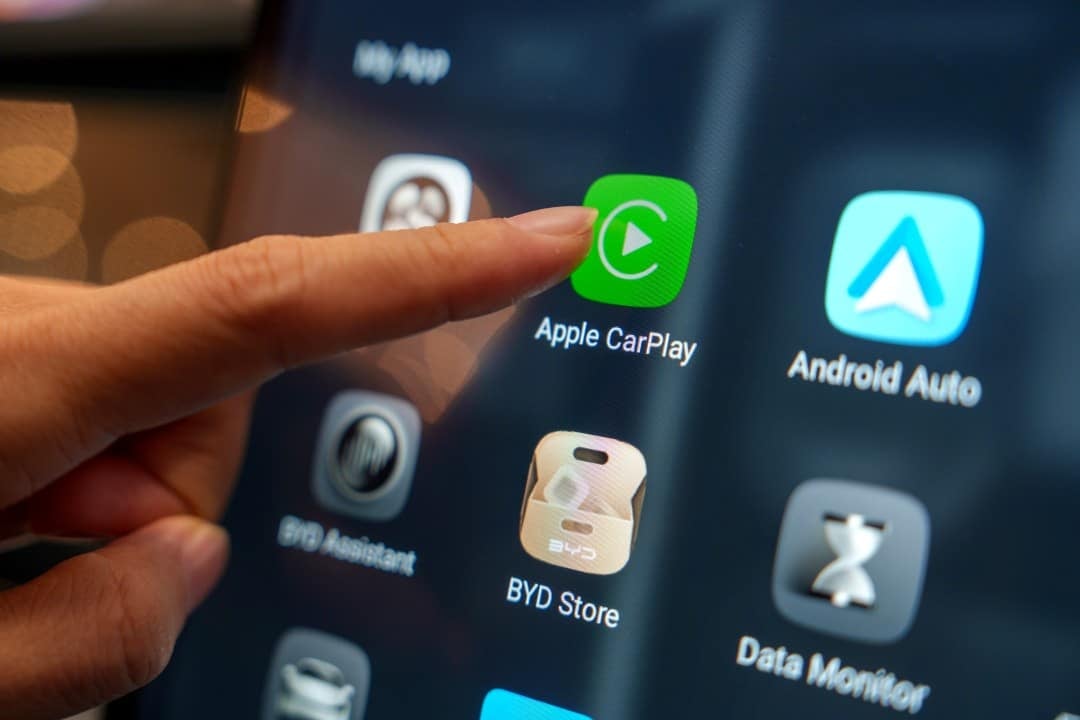
The software restructuring incorporates direct operational modifications to the vehicle dashboard:
- Immediate synchronization of the contact list configured as priority on the smartphone.
- Simplified access to the complete log of incoming and missed phone calls.
- Automatic visual adaptation for the panel’s light and dark lighting modes.
- Implementation of a unique button to initiate new interactions through vocal dictation.
With the display of contact icons and clear flags for unread messages, the system makes it easier to identify communication priorities. Essa structural change aims to keep the driver’s attention on the road, drastically reducing the need to handle a cell phone while the vehicle is in motion.
Visual restructuring and organization of the panel
The project developed for the automotive ecosystem focuses its efforts on visual organization, ensuring that communications control occurs quickly and without interruptions in driving. The application’s main panel now has three primary divisions, responsible for segmenting pending conversations, frequent contacts and detailed recording of telephone calls made via the internet. Essa Categorical separation eliminates the clutter of the previous version, in which all interactions relied exclusively on auditory responses provided by the vehicle system.
When selecting a specific chat on the media center screen, the software immediately displays the sender’s basic information. The driver has the option to listen to the received content through text-to-audio conversion or initiate an instant voice call. The design adopted by the team of developers strictly follows the visual standards required by the automotive platform, maintaining aesthetic cohesion with other GPS navigation applications and music players already consolidated in the vehicle technology market.
Security protocols and blocking distractions
Road safety acts as the fundamental principle of this software update. The developer company maintained strict restrictions on the use of the application to avoid any type of distraction that could compromise vehicle driving.
Typing texts directly on the multimedia center screen remains strictly prohibited under all circumstances. Voice dictation remains the only authorized method for formulating and sending new messages while en route.
The system employs advanced speech recognition technology to accurately transcribe the driver’s words. The software allows quick reviews of the transcribed content before confirming final sending to the recipient.
The display of media content, including photographs and video files, remains disabled in the automotive interface. Notifications appear discreetly at the top of the screen and can be silenced or read aloud according to the privacy settings established by the owner.
Sound insulation technology in connections
In conjunction with innovations in the automotive interface, the application has integrated new noise cancellation technology aimed at voice calls. The feature uses artificial intelligence algorithms to isolate the main speaker’s voice.


The tool works directly to eliminate unwanted environmental sounds, such as the noise of heavy traffic, gusts of wind or side conversations in places with a large circulation of people. Essa functionality significantly improves communication for those using the car’s hands-free system.
Audio processing is carried out locally on the cell phone itself. Esse method of operation ensures that end-to-end encryption remains intact during sound filtering, preserving the security and privacy of calls.
Priority contact management
The priority contact system represents one of the most requested additions by frequent users of the platform. Esta specific section now occupies a prominent space in the main interface of the vehicle dashboard.
The feature allows starred numbers on your smartphone to appear as speed dial shortcuts. The feature eliminates the need to scroll through long lists of names on the screen while the car is traveling on public roads.
Activity log and missed calls
The application’s call history now accurately reflects all communication activities carried out, including attempted video calls that were answered exclusively in audio format by the car’s system. The record details the exact date and time of each call, enabling quick return to professional or personal contacts as soon as the driver parks the vehicle in an appropriate and safe location.
Technical requirements for system operation
The messenger’s new native interface is in the phase of gradual release for smartphone owners who have the latest version of the application installed. Access to improvements requires compliance with technical specifications determined by the manufacturer.
Proper functioning of the platform requires that the mobile device operates with an up-to-date operating system. The vehicle must also have official support for the brand’s mirroring technology, whether through physical connection via cable or wireless pairing.
Performance monitoring and operational adjustments
Although the vast majority of structural functions are already available to the general public, some specific transmission channel management tools and pre-programmed quick responses are still undergoing a phase of final adjustments in closed test versions. The company responsible for developing the software has officially confirmed that it will continuously monitor the feedback provided by drivers and traffic safety experts. The objective of this constant observation is to apply stability fixes, improve code performance and resolve any synchronization failures in the coming weeks. The company’s long-term goal involves ensuring an increasingly fluid, stable and secure integration between mobile devices and on-board computers in modern automobiles, following the technological evolution of the automotive industry and new traffic regulations regarding the use of screens in passenger vehicles and urban cargo transport.
Veja Tambem em Latest News (EN)

Atlético-MG confirms agreement with defender Léo Duarte after period of prominence in Turkish football

Tiger shark bites 19-year-old girl and rips off her leg in Boa Viagem, Recife

2026 World Cup will have 32 athletes who play in Brazilian football

OnePlus develops portable video game with Android system focused on competitive shooters

New BYD Seal 6 DM-i Touring hybrid station wagon debuts in Europe with ample interior space and super-efficient engine

Costco reaches historic volume in gasoline sales in the United States with prices below market

June PlayStation Plus Catalog Brings Grounded and Warhammer 40,000 Darktide to Subscribers

Disney+ brings Avatar Fire and Ash finale to The Bear and new Pixar animation in June

Netflix updates June catalog with new season of Avatar and classic cinema sagas

Geely Xingyuan electric compact gains 47 kWh battery and autonomous driving system in China

Episode 1156 of One Piece marks arrival at Elbaf with decisive actions by Shanks and Blackbeard