Meta updates WhatsApp system on Apple CarPlay with native panel for conversations and calls
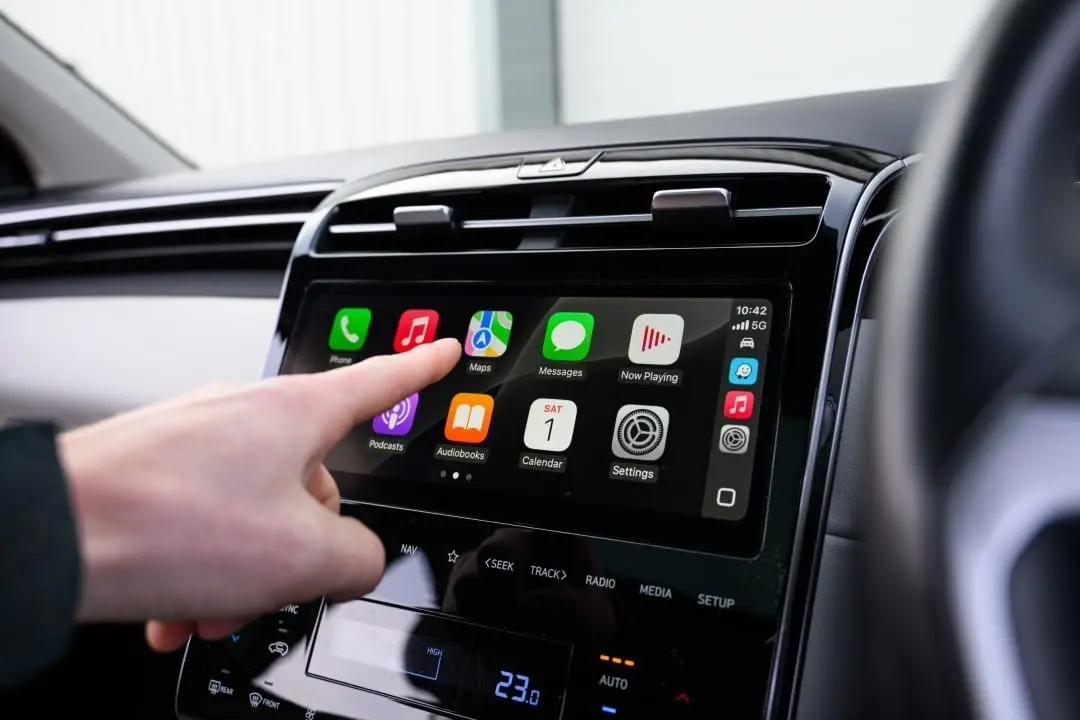
The developer responsible for the main messaging application on the market has started distributing a deep structural update focused on the Apple automotive ecosystem. The technological change introduces a native and completely independent control panel for the multimedia centers of compatible vehicles, changing the way drivers interact with the platform during their daily commutes.
Drivers now have the ability to access lists of recent conversations and manage favorite contacts directly from the car’s dashboard screen. The history of phone calls made via the internet connection also gains a dedicated and easy-to-view space on the car’s interface, eliminating unnecessary navigation steps.

Previously, interaction with the messaging platform inside vehicles depended almost exclusively on voice commands intermediated by the operating system’s virtual assistant. Visual functionality was extremely limited, which required greater cognitive effort from the driver to understand the status of messages received and calls missed during the journey.
Visual restructuring and panel navigation
The new application design was architected from scratch to deliver more fluid and safer navigation, with the technical objective of drastically reducing the need to handle the smartphone while the vehicle is in operation. The implementation of specific navigation tabs allows the user to switch between different communication modules with quick and precise taps on the vehicle’s touchscreen. The updated interface displays high-resolution contact identification icons and clear visual signals for messages that have not yet been read by the recipient, ensuring a dynamic reading of the digital environment.
On the same topic: WhatsApp presents global failure and prevents sending photos this Monday
This spatial organization ensures that the driver maintains control of communications quickly, making it easier to identify priorities without diverting attention from the surrounding traffic. The main panel features three strategic divisions that segment pending conversations, frequently used contacts and detailed phone call records. The logical and visual separation eliminates the operational confusion of the previous model, where all interactions depended on sequential auditory responses, creating an aesthetic standard that perfectly dialogues with the maps and music playback applications already consolidated on the automotive platform.
Functionalities integrated into the automotive system
Deep integration with the vehicle’s operating system provides simplified access to the complete history of incoming, outgoing and missed calls during the period the driver was behind the wheel.
There is also automatic and real-time synchronization of the list of favorite contacts that the user has previously configured on the cell phone system, mirroring preferences immediately.
The interface has been fully optimized by software engineers to respect and follow the automatic transitions between the panel’s light and dark modes, adapting to external lighting and the time of day.
A dedicated virtual physical button was strategically positioned in the corner of the screen to start new conversations exclusively through the voice dictation tool, keeping the driver’s hands on the steering wheel.
Road safety protocols and operational restrictions
Traffic safety remains the central and non-negotiable pillar of this software update, which is why the development team has maintained strict usage restrictions to avoid distractions that could result in accidents on public roads. The system permanently blocks the typing of texts directly on the car’s multimedia center screen in any circumstance of movement or even during quick stops at traffic lights, maintaining voice dictation as the only authorized method for composing and sending messages. Voice recognition technology transcends the audio captured by the vehicle’s internal microphones to transcribe what is said with high accuracy, allowing the driver to make quick revisions and listen to the message before confirming final sending to the recipient. Além of the absolute blocking of the alphanumeric keyboard, the display of complex media content, such as high-resolution photographs, short videos and animated stickers, remains strictly disabled in the automotive interface to prevent the driver from taking his eyes off the road for fractions of a second. Notifications of new messages are presented discreetly in a banner format at the top of the screen, and can be temporarily silenced or read aloud by the system, always operating in full compliance with the privacy preferences configured by the owner of the telephone device.
More on this story: Wave of suspensions on WhatsApp blocks thousands of profiles for review today across the world
Audio filter and artificial intelligence on calls
In parallel with advances in the automotive graphical interface, the platform implemented a new active noise cancellation technology aimed specifically at voice calls made inside the vehicle’s cabin. The feature uses advanced artificial intelligence algorithms to isolate the frequency of the speaker’s voice and eliminate unwanted environmental sounds that impair communication.
See Also

David Jolly secures Democratic seat to run for governor of Florida in 2026
Jolly wins Democratic nomination for governor of Florida in the USA

Meta (WhatsApp, Instagram and Facebook) is subject to trial in the USA for damaging the mental health of young people with fines of US$ 1.4 trillion
The system can filter with high efficiency the intense noise of road traffic, the friction of the wind on the windows and even parallel conversations of other passengers in the back seat. The processing of this audio occurs locally on the mobile device’s hardware, ensuring end-to-end encryption and the privacy of telephone conversations are maintained.
Contact synchronization and priority management
The favorites system represents one of the most requested technical additions by the community of frequent users and now occupies a prominent and easily accessible space on the main screen of the automotive dashboard.
Learn more: WhatsApp gains usernames for greater privacy and will no longer need a number when starting a conversation
This specific section allows contacts starred in the cell phone app to instantly appear as quick shortcuts in the car’s multimedia center, without requiring additional configuration.
The feature facilitates quick dialing and sending urgent messages without the need for the driver to scroll through long lists of names in alphabetical order while the vehicle is moving through the streets.
Recent call history monitoring
The call log now accurately reflects all communication activities carried out, showing the date and local time of the call and allowing quick callback with a single touch on the screen once the driver parks the vehicle in a safe and appropriate location.
Learn more: WhatsApp launches usernames for more than 3 billion accounts: understand how to reserve and protect yourself
Technical requirements and gradual software release
The new native interface for automotive dashboards is being released gradually and in scheduled batches for users who have the latest version of the application properly installed and updated on their smartphone.
To access the full package of visual and audio improvements, it is strictly necessary that the mobile device is running a recent operating system and that the vehicle has official, factory support for screen mirroring.
System stability and performance adjustments
Although most of the essential functions are already available to the general public, some specific broadcast channel management and quick response tools are still undergoing final adjustments in closed test versions.
The engineering team confirmed that it will continue to monitor the performance of the software on the vehicle panels to apply stability and performance corrections in the coming weeks, aiming for an increasingly fluid integration free of technical failures.