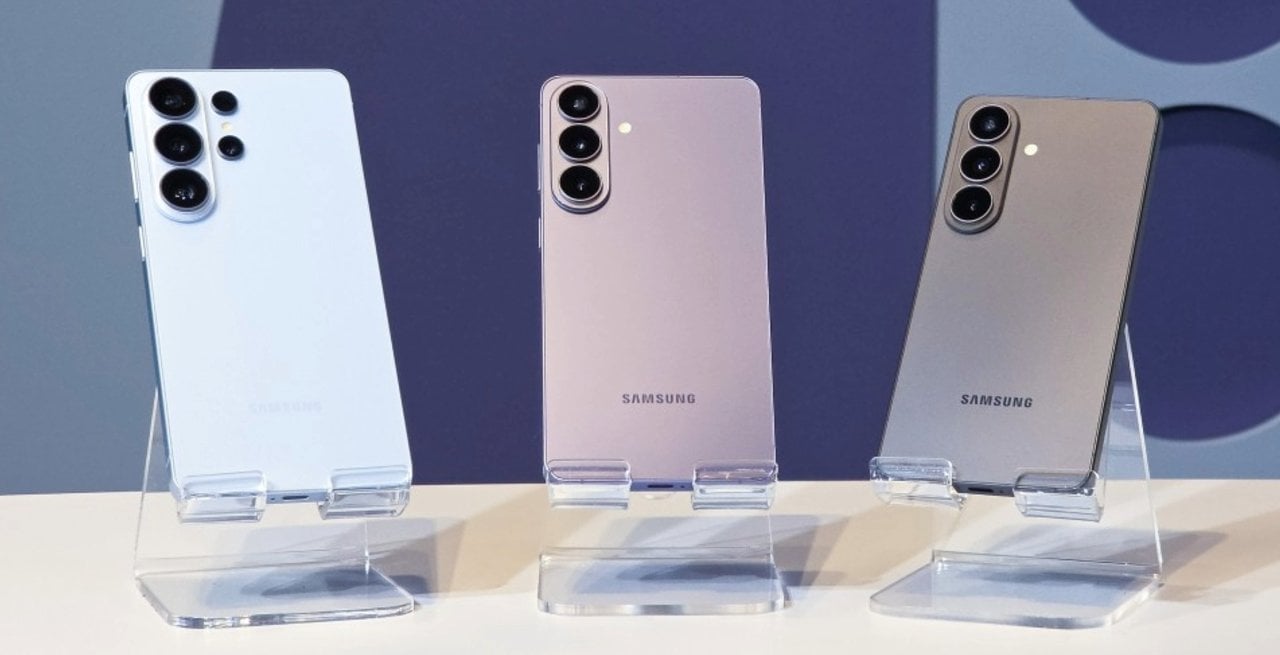
The South Korean manufacturer implemented a profound restructuring in the engineering of its premium category mobile devices. The change directly meets a historical consumer demand for greater agility in daily energy replacement, changing the way users interact with their high-performance personal equipment on a daily basis.
The company’s engineers developed an unprecedented method that allows the electrical transmission capacity to be increased without compromising the physical integrity of the internal components. The main focus of the project was on thermal management during the magnetic induction process, ensuring that high voltage does not harm sensitive parts of the motherboard and central processor.
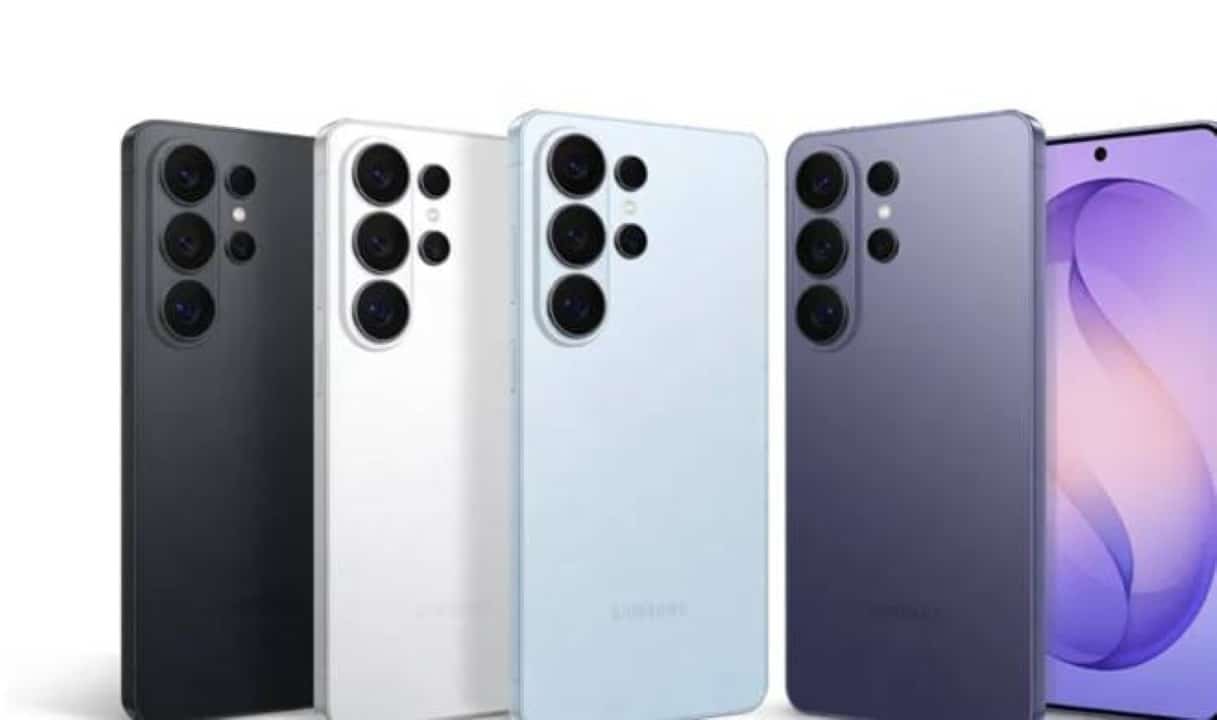
The modifications applied to the hardware bring specific characteristics to the daily functioning of the device:
– Aumento significant wireless energy transfer speed.
– Redesenho complete internal cooling chamber.
– Integração with continuous temperature monitoring software.
Practical tests demonstrated that the new configuration supports intense cycles of continuous use. Applied engineering solves a chronic problem of excessive heating in induction bases, maintaining the temperature at safe levels for both the user and the useful life of the equipment, even in environments with higher temperatures.
Evolution of thermal dissipation architecture
To support the new power transfer capability, the device’s internal structure underwent a complete redesign. The development team abandoned the standards used in previous generations and significantly expanded the heat dissipation area, creating a new flow for the temperature generated by the battery.
The design incorporates an enlarged vapor chamber that acts directly on the components with the greatest thermal stress. Essa physical change works in conjunction with temperature sensors strategically distributed across the main board, forming a constant monitoring network.
The components send data in real time to the central processor. Quando the system detects any elevation outside the standard curve, specific algorithms modulate the electrical current instantly, ensuring that the device does not suffer long-term structural damage and avoiding thermal throttling that reduces performance.
Energy efficiency in users’ routine
Laboratory evaluations indicate that the device reaches almost half of its total energy capacity in just thirty minutes when positioned on the compatible 25W induction base.
The total time to completely fill the storage cell is around one hour, varying slightly depending on the climatic conditions of the environment where the device is located.
This brand represents a significant advance when compared to previous models in the same line, which required much longer periods on the base to achieve the same percentage of charge.
Corporate professionals and content creators who depend on equipment for their daily work find this agility a practical solution to maintain productivity in a hectic routine and with little time spent in offices.
Segmentation strategy in the premium portfolio
The manufacturer’s commercial strategy establishes a strict division between the versions offered to consumers in the global technology market. The standard and intermediate editions of the new line continue to operate with the energy transfer limit established in previous years, focusing on an audience that seeks hardware upgrades without the extreme need for ultra-fast magnetic induction charging.
Only the most advanced version of the series receives the new 25W wireless technology, justifying its superior positioning and added value on retail shelves. Analistas from the telecommunications sector point out that the tactic aims to attract buyers who seek absolute maximum performance and prioritize the exclusivity of innovative features in their flagship devices, clearly separating product categories.
Autonomous management by artificial intelligence
The device’s operating system was programmed to work in fine tune with the new physical parts, using advanced machine learning to map and understand the owner’s daily habits. The software analyzes sleep times, times of greatest processor demand and periods of inactivity, creating a highly personalized and dynamic usage profile. Durante dawn, energy transfer occurs intentionally slowly and gradually, preserving the internal chemistry of the storage cell and avoiding continuous stress on the walls of the lithium-ion battery. Já During business hours, when the user needs maximum agility between meetings or trips, the system releases the total transfer capacity of 25W. Essa Embedded artificial intelligence reduces the natural wear and tear of internal components and prevents the device from remaining connected to the base receiving unnecessary load after reaching the maximum limit, prolonging the product’s durability and ensuring that autonomy remains high even after years of continuous use.
Processing capacity and internal storage
The equipment hits the market offering robust random access memory options, with twelve and sixteen gigabyte variants. Essa technical specification has been scaled to handle multiple simultaneous tasks and heavy editing applications without slowing down.
The physical space to store high-resolution files, raw videos and complex applications can reach up to a terabyte. The massive capacity eliminates the immediate need for outsourcing cloud services for the vast majority of business users and photographers.
Dispute for leadership in the international market
The decision to increase energy transfer capacity via induction comes as a direct response to the aggressive moves of competing companies in the Asian and North American markets. Diversas Rival brands were already offering superior numbers in this specific aspect, which generated constant demands from consumers most loyal to the South Korean manufacturer, demanding an update compatible with the line’s status.
In addition to pure speed, the engineering applied to the new device focuses on maximum energy efficiency. The conversion of the electrical current that leaves the induction base to the device’s battery occurs with as little loss as possible. Energy does not dissipate in the form of useless heat, optimizing residential electricity consumption and aligning the product with the new sustainability requirements of the global electronics sector.
The engineers responsible for the project carried out thousands of simulation cycles in controlled environments to attest to the reliability of the new 25W standard. The batteries were subjected to extreme variations in ambient temperatures, from the intense cold of a laboratory to the simulated heat of desert regions, ensuring that the transfer rate remained stable in any geographical and climatic situation.
Materials engineering and structural protection
The external structure of the device uses high-strength, aerospace-grade metal alloys, specifically designed to protect the delicate internal components against drops, twists and accidental impacts common in everyday life. The front glass and back panel feature the latest protection technology against scratches and microcracks, maintaining the integrity and premium aesthetics of the device even after months of continuous use without additional protective covers.
The meticulous choice of these materials was not only made for visual or gross durability reasons, but also to facilitate the clean passage of the electromagnetic waves necessary for the induction of high-power energy. Superfícies materials that are excessively dense or have inadequate alloys could block the signal from the charging base, requiring designers to strike a perfect balance between extreme resistance and impeccable technical functionality for the 25W system to operate.
Global operational security certifications
International security certification certifies that all hardware innovations have passed rigorous quality testing before commercial release. Órgãos regulators confirmed that the fast induction system meets the strictest protocols for protection against short circuits and voltage spikes, guaranteeing the physical integrity of the electrical installations where the base is connected.