Research shows that blue light from screens harms sleep less than the content accessed
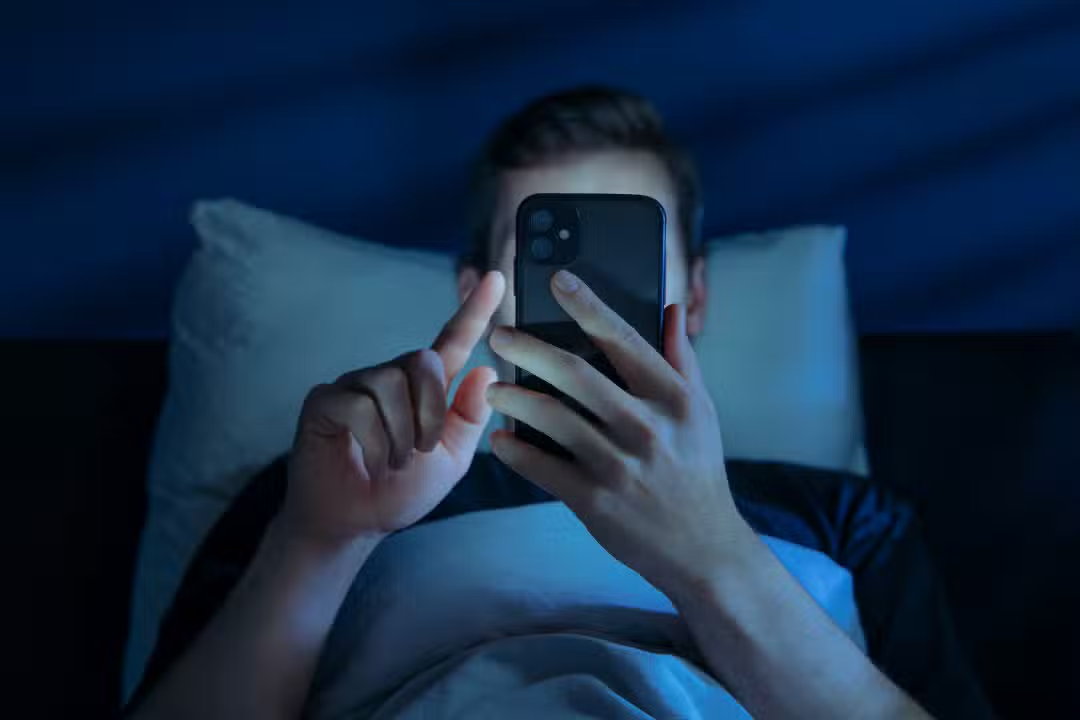
The light emitted by electronic devices does not represent the main cause of insomnia in modern society. Avaliações Recent scientific studies demystify the idea that cell phones, computers and televisions are the great villains of night rest. The direct effect of this radiation on melatonin production and the human circadian rhythm appears to be substantially smaller than that propagated over the last decade.
Chronobiology experts point out that the light intensity of everyday screens rarely reaches biological levels sufficient to cause severe delays in falling asleep. The debate on the topic underwent a profound review after the finding that initial studies overestimated the ability of LED panels to alter brain chemistry. In practice, the change in the biological clock caused exclusively by the color of light is restricted to a few minutes.
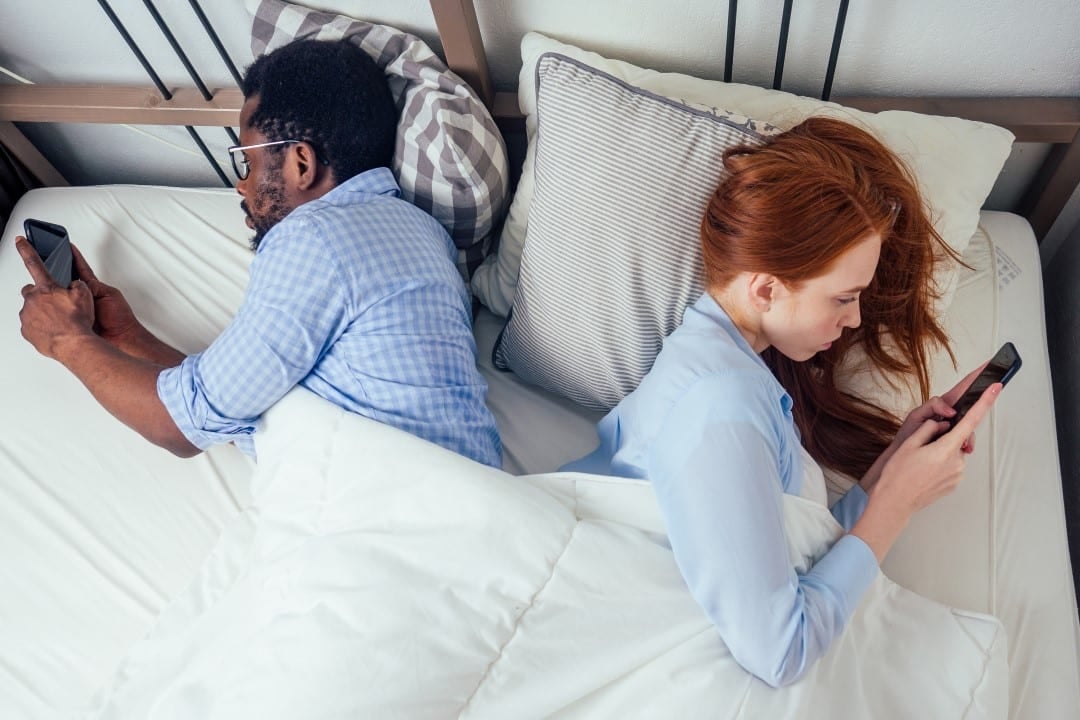
The contemporary lifestyle and daytime habits exert an immensely greater weight on the body’s regulation. Deprivation of natural stimuli during the day affects the body’s ability to recognize the arrival of night, regardless of the use of electronic devices before bed. Sleep science now focuses on an individual’s overall routine rather than condemning a single light spectrum.
Diurnal factors determine the functioning of the biological clock
Melanopsin, a protein present in the eyes and sensitive to light, reacts to different wavelengths, showing a slightly greater sensitivity to bluish tones. Contudo, the amount of photons fired by a smartphone in normal use remains far below the threshold needed to aggressively suppress melatonin. The human body needs a much more intense light load to register a biological shift change.
The true regulation of rest occurs in the early hours of the morning, when exposure to natural light calibrates the central nervous system. A person who spends the whole day in a poorly lit office and then uses their cell phone at night suffers the consequences of the lack of light contrast, and not just the screen’s emission. Human biology has evolved to respond to drastic transitions of light and shadow, something that modern architecture often eliminates.
To understand the correct dynamics of sleep hygiene, it is necessary to observe how the body processes visual information over the course of twenty-four hours. Adopting simple practices during the waking period transforms the way the body reacts to darkness. The main points of attention involve the routine outside the home and the lighting of indoor environments.
– Morning sunlight synchronizes the hormones responsible for alertness and subsequent relaxation.
– Dispositivos electronics deliver an insignificant fraction of light energy when compared to a cloudy day outdoors.
– The contrast between high daytime exposure and nighttime reduction dictates the efficiency of falling asleep.
The ineffectiveness of filters and blocking glasses
The market for products aimed at filtering blue radiation has grown exponentially, offering everything from monitor films to glasses with amber lenses. Testes Practical results reveal that these accessories reduce immediate eye strain, but deliver almost zero results in terms of the length or depth of nighttime rest. The promise of restful nights based solely on blocking a specific color lacks robust physiological support.
The night modes integrated into operating systems, which leave the screen with yellowish tones, function much more as a psychological trigger than as a biological shield. The color change signals to the brain that the end of the day is approaching, helping to create a relaxation ritual. However, if the brightness intensity remains high, the transition effect completely loses its practical usefulness.
The real problem lies in the content accessed
The interactivity and mental engagement promoted by social networks and messaging applications keep the nervous system in a state of maximum alert. Infinitely scrolling through short videos, reading stressful news or participating in virtual debates elevates heart rate and cortisol production. Esse state of cognitive arousal wards off sleep much more efficiently than any LED lamp.
The brain needs a period of decompression to initiate the slow wave cycles characteristic of deep rest. Assistir Watching a relaxing movie on a big, bright television is often less disruptive than responding to work emails on a small screen with a night filter on. The nature of the activity dictates the level of mental agitation, overriding the physical characteristics of the device used.


Laboratory routines differ from urban reality
The research that led to the panic around screens often used methodologies that were far from the real behavior of the population. Voluntários were subjected to extreme dim conditions during the day and then exposed to very strong luminous panels glued to their eyes at night. Esse Experimental design forces a hormonal response that does not reflect casual use of a tablet on the couch at home.
Real life involves a chaotic mix of ceiling lights, lamps, window reflections, and street lighting that filters through the cracks. Nesse complex scenario, the isolated contribution of the smartphone becomes statistically irrelevant for the majority of healthy adults. The average delay in starting rest caused exclusively by radiation from devices is around nine minutes, an imperceptible value in the hectic routine of cities.
Reviewing this data reassures people who rely on technology for reading or evening entertainment. Excessive focus on a technical detail diverted attention from fundamental issues, such as regular schedules and anxiety control. Current science proposes a more integrated vision, where electronics are just one of the many elements of the nighttime environment.
Morning habits create the foundation for nighttime rest
The simple act of walking outside for twenty minutes right after waking up establishes a temporal anchor for the internal clock. Essa practice floods the retina with thousands of lux, signaling the definitive beginning of the active phase of metabolism. Pessoas Those who adopt this habit report that it is much easier to turn off their mind at night.
Sunlight, even when passing through dense clouds, has a synchronizing force that is incomparable to any artificial source. Esse morning light bath accelerates the degradation of residual melatonin and prepares the ground for the hormone to be secreted again at the correct time. The absence of this stimulus leaves the body in a state of permanent temporal confusion.
The increase in remote work has worsened the deprivation of natural light, as many professionals spend entire days without leaving their homes. The transition from bed to computer desk occurs indoors, depriving the body of the necessary light shock. Essa Cloistered routine weakens the amplitude of the circadian rhythm over the weeks.
Positioning your work desk near a window or taking strategic breaks on balconies helps mitigate the effects of this confinement. Indirect exposure already offers greater benefits than conventional ceiling lamps. Pequenas Injections of natural clarity throughout the workday keep the biological system aligned with the planet’s rotation.
The light transition at night
Preparing the home environment after sunset requires a drastic reduction in the general lighting in the rooms, a much more effective measure than simply turning off your cell phone. The use of indirect lights, lamps with warm bulbs or even candles creates an atmosphere of retreat that the nervous system immediately recognizes. Diminuir The intensity of the ceiling lamps, which simulate the high sun, sends the correct message that the resting phase is approaching, facilitating the natural physiological transition.
The modern housing standard, however, goes against this biological need, keeping entire apartments lit with cold white LEDs until the exact moment to go to bed. Essa uniform and constant light prevents the gradual release of relaxing hormones, forcing the body to try to fall asleep from a state of maximum alert. The absence of artificial twilight indoors confuses the eye receptors, making the transition process to sleep much longer and more fragmented.
Practical balance for contemporary routine
The search for a superior quality of life does not require the radical abandonment of technology after dark, but rather the adoption of an intelligent strategy of light compensation and stimulus modulation. Manter Consistent bedtime and wake-up times, ensuring a massive dose of natural light in the morning and avoiding highly stressful content in the hours before bed form the basis of a sustainable routine. The obsession with blocking specific wavelengths gives way to understanding the complete twenty-four hour cycle, where the contrast between a very bright day and an adequately dark night resolves the vast majority of insomnia complaints. Managing the environment and emotions proves to be the most powerful tool for restoring the body’s innate ability to deeply heal.
Simple adjustments promote lasting results
Implementing gradual changes in home lighting and nighttime entertainment choices delivers concrete, scientifically validated benefits. Moderation in the use of devices, combined with a more active daytime life and exposure to the sun, overcomes any commercial intervention based on fear of light radiation.
Veja Tambem em Latest News (EN)

Atlético-MG confirms agreement with defender Léo Duarte after period of prominence in Turkish football

Tiger shark bites 19-year-old girl and rips off her leg in Boa Viagem, Recife

2026 World Cup will have 32 athletes who play in Brazilian football
OnePlus develops portable video game with Android system focused on competitive shooters

New BYD Seal 6 DM-i Touring hybrid station wagon debuts in Europe with ample interior space and super-efficient engine

Costco reaches historic volume in gasoline sales in the United States with prices below market

June PlayStation Plus Catalog Brings Grounded and Warhammer 40,000 Darktide to Subscribers

Disney+ brings Avatar Fire and Ash finale to The Bear and new Pixar animation in June

Netflix updates June catalog with new season of Avatar and classic cinema sagas

Geely Xingyuan electric compact gains 47 kWh battery and autonomous driving system in China

Episode 1156 of One Piece marks arrival at Elbaf with decisive actions by Shanks and Blackbeard