Samsung integrates advanced memory protection into One UI 9 to shield Galaxy from attacks
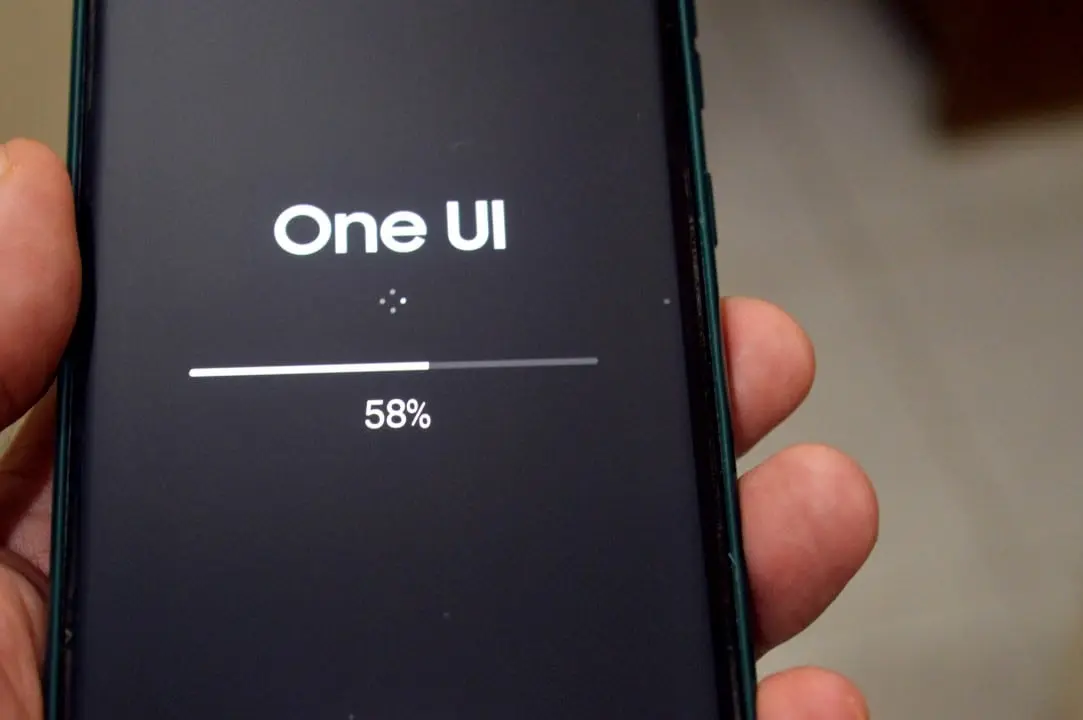
The next version of the Samsung user interface, One UI 9, promises to bring a robust layer of security to Galaxy devices, going beyond the usual visual revamps and innovations in artificial intelligence. An in-depth analysis of the source code, revealed by experts, indicates that the South Korean giant is developing a state-of-the-art memory protection functionality, similar to that already used in some Pixel smartphones. Esta initiative signals a growing focus from Samsung on strengthening the defense of its devices against vulnerabilities and digital threats.
This strategic addition aims to mitigate risks that often go unnoticed, such as corruption of internal application data and improper access to system memory. By focusing on the foundation of smartphone operation, Samsung seeks to create a safer and more resilient environment for users. The measure represents a significant advance in the security architecture of mobile devices, reinforcing trust in the Galaxy platform.
Crucial improvement in data protection
The functionality in question is Memory Tagging Extension (MTE), a technology that actively monitors how applications interact with the smartphone’s memory. Sua main function is to identify and prevent failures that could compromise data integrity or open doors to malicious exploits. Esta Constant vigilance is an important differentiator for system security.
By flagging any anomalous behavior or memory misuse, MTE acts as a preventative shield, preventing internal software flaws from evolving into exploitable vulnerabilities. The goal is to proactively block memory manipulation attempts, which are the basis of many modern cyberattacks.
More on this story: Samsung prepares MTE security feature in One UI 9 for Galaxy
Memory tagging extension (MTE) technical details
Memory Tagging Extension (MTE) operates by adding “tags” to blocks of memory and the pointers that access them. Cada Once software tries to access an area of memory, the system checks whether the tags match. Caso Otherwise, an error is immediately detected and the operation is blocked, preventing data corruption or malicious code execution.
This real-time defense mechanism is particularly effective against types of attacks known as “memory safety bugs”, which exploit flaws in memory management. Tais vulnerabilities are often used by malware to gain control over the device or to illegitimately access sensitive information, making MTE a crucial barrier.
The implementation of MTE represents a considerable effort by Samsung to raise the standard of security on its Galaxy devices, offering a deeper and more sophisticated defense. With the increasing complexity of cyber attacks, tools such as MTE have become indispensable for protecting personal data and the integrity of the operating system.
Impact on device performance and compatibility
Although the security benefits of MTE are undeniable, its activation may involve some technical considerations. Usuários may notice a slight reduction in the device’s overall performance as the system will be constantly performing memory checks. Esta is a common tradeoff in advanced security technologies, where additional protection can consume more computing resources.
Additionally, full MTE activation usually requires a smartphone restart for the modifications to be applied effectively at all system levels. Este process ensures that the new security layer is fully integrated from the device boot.
An important limiting factor for the implementation of MTE is its dependence on the ARM v9 architecture. Isso means that only the most recent and highest-end models in the Galaxy line, which already have this type of processor, should be compatible with the functionality. Equipamentos older or lower categories, which do not have the ARM v9 architecture, will probably not support this memory protection.
See Also

Artificial intelligence reveals signs of solar flares hours before and innovates in alerts

Leila Pereira reinforces support for Abel and the Palmeiras squad before the Libertadores clash

Death of Rossella Diaco: Rai Isoradio presenter reported illness on social media
Full coverage: Latest News (EN)
The one UI interface and commitment to security
One UI, Samsung’s custom interface for Android, has been constantly evolving, not only in terms of design and functionality, but also in the area of security. The inclusion of tools like Auto Blocker, which help prevent application installation from unauthorized sources and protect against real-time threats, demonstrates the company’s commitment to user protection.
The decision to integrate MTE and make it accessible through Auto Blocker, rather than leaving it restricted to developer options, underlines Samsung’s intention to democratize access to advanced security features. Essa approach makes it easier for the average user to activate and manage functionality without requiring in-depth technical knowledge.
Simplified activation via auto blocker
The way in which Samsung plans to make Memory Tagging Extension available to users is a highlight. Instead of being an obscure feature, accessible only through developer menus, MTE can be activated directly on Auto Blocker. Este is a set of security tools that Samsung already integrates into its devices, designed to offer proactive protection against various threats. The integration of MTE into the Auto Blocker significantly simplifies the user experience, allowing this advanced protection to be activated intuitively, with just a few taps on the screen. Esta decision reflects an effort to make cutting-edge security technologies more accessible to the general public, ensuring that more users can benefit from improved defenses without the need for in-depth technical knowledge. The convenience of having such critical functionality available in an already known and trusted tool enhances usability and adoption.
The current mobile cyber threat landscape
Today’s digital environment is full of increasingly sophisticated cyber threats, with malware and attacks specifically targeting mobile devices. The constant evolution of these threats requires smartphone manufacturers to invest in equally advanced security solutions.
Memory protection is a crucial field as many attacks exploit vulnerabilities at this level to inject malicious code or steal data. The initiative of Samsung with the MTE at One UI 9 responds directly to this need.
Implications for developers and the Galaxy ecosystem
The introduction of MTE in One UI 9 will also have implications for the app development ecosystem for Galaxy devices. Developers will have to ensure that their software is compatible with this new layer of security, minimizing the occurrence of memory-related failures.
Follow: all about Galaxy security
While it may require some initial tuning, in the long run it will result in more stable and secure applications, benefiting the entire ecosystem. Samsung, by implementing stricter hardware and software security, sets a new standard for protecting its millions of users globally.