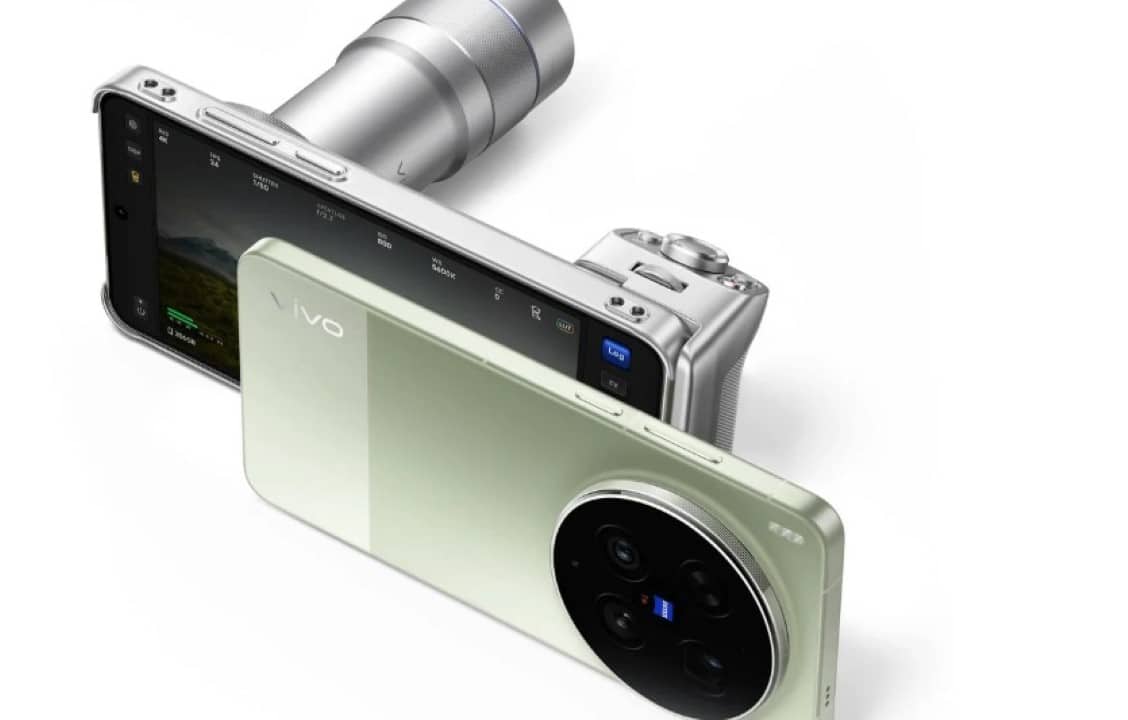
The mobile device industry has reached an unprecedented level of physical sophistication with the introduction of photographic sensors of massive proportions. A detailed technical assessment of the internal structure of the recently announced Vivo X300 Ultra exposes the complex solutions adopted by the Asian manufacturer to accommodate gigantic camera modules. The equipment requires a complete reorganization of the motherboard and heat dissipation mechanisms to maintain proper functioning. Todo The engineering effort aims to ensure the stability of the operating system under the continuous stress of processing ultra-high-resolution visual data. The need to integrate large lenses forced the redesign of traditional peripheral parts, changing the assembly standard established by the telephone market in recent years. The miniaturization of secondary components appears as the determining factor for the success of this industrial project.
Restructuring of the metal chassis accommodates optical sensors of unprecedented dimensions
The inclusion of the main sensor Sony Lytia 901, which has measurements close to one inch, required a drastic change in the arrangement of the printed circuit boards. To make the operation of this 200-megapixel primary lens viable, the development team needed to machine specific cutouts in the main aluminum structure. Essa adaptation allows the optical assembly to fit with surgical precision without exerting pressure on the glass front panel.

The Samsung ISOCELL HP0 periscopic telephoto lens, which also delivers 200 megapixels of resolution, occupies a considerable area in the upper portion of the device. Este component necessarily dictates the positioning of the power cells and main connectors on the logic board. The physical configuration imposes severe barriers related to electromagnetic interference between network communication modules and high-sensitivity image processors.
The manufacturer installed additional metal shields and conductive tapes around the cameras to efficiently isolate radio signals. Isolation ensures that photograph capture does not suffer from distortion or electronic noise caused by cell phone antennas. The protection work demonstrates a notable advancement in materials science applied to cutting-edge equipment, prioritizing the integrity of user-generated visual files.
Temperature management utilizes multiple layers of passive dissipation
Thermal control represents one of the biggest physical obstacles in devices equipped with the Qualcomm Snapdragon 8 Elite Gen 5 processing platform. Visual inspection of the interior of the device reveals a vapor chamber of expanded proportions, designed to the millimeter to cover the central processor and high-speed RAM memory modules simultaneously. Heat transfer becomes faster with the use of industrial-grade thermal pastes and conductive adhesives positioned in high-voltage areas of the board.
The thermal interface material directs the high temperature directly to the aluminum housing, which acts as a large passive heatsink during intense use of the equipment. Placas of high-density graphite appears distributed across the entire rear extension of the device, located just below the protective glass cover. The multi-layer tactic prevents heat build-up in specific spots, offering tactile comfort during extended full-resolution video recordings.
Power architecture supports fast charging and high-demand components
Constant power for the entire hardware set depends on a 6,600 mAh battery, physically divided into double cells to optimize internal space and energy replenishment speed. The two-part format allows the device to withstand considerably higher electrical currents without the risk of chemical overheating of the cells. The wired charging circuit tops out at 90W, requiring reinforced ribbon cables that connect the USB-C port directly to the power management board.
The power transmission cables have a flame-retardant polymer coating to ensure the operational safety of the electrical system. The induction coils responsible for 40W wireless charging have suffered compression and occupy a strategic space just below the main layer of graphite. The exact proximity to the back cover increases the efficiency of electromagnetic energy transfer from compatible bases available on the market.
Power management receives constant supervision from a dedicated microchip that monitors the temperature of the battery cells in real time. The component automatically interrupts the power supply if it detects thermal anomalies or unexpected voltage spikes. The measure protects the main circuit against short circuits that could permanently render the logic board unusable.
Peripheral relocation optimizes audio capabilities and ultrasonic biometrics
The rigorous use of internal space forced the stereo speakers and haptic vibration motors to be relocated to the absolute edges of the metal chassis. The surgical change freed up vital space in the center of the device, an area that now houses the connectors for the 6.82-inch LTPO AMOLED screen and the communication cables for the ambient brightness sensors. The three-dimensional ultrasonic fingerprint reader is attached directly to the metal structure under the display, using a special ultraviolet curing adhesive.
Precision in the assembly of the biometric sensor is essential for the functioning of the device’s security system. Qualquer Microscopic misalignment would compromise the correct reading of the sound waves responsible for the three-dimensional mapping of the owner’s fingerprint. The main logic board also houses unique neural processing units, physically separated from the central processor to take on the computational load when applying complex noise reduction algorithms to night photos.
Industrial sealing and modularity guarantee equipment durability
The smartphone’s physical resistance is backed by a rigorous sealing system that meets IP68 and IP69 certifications, withstanding continuous submersion and high-pressure water jets. Disassembly reveals the presence of high-density vulcanized rubber rings around the operator chip drawer, the USB-C port and the lower and upper audio outputs. The glass back panel is sealed with a slow-drying polyurethane adhesive, creating a physical barrier against microscopic particles.
The wireless network infrastructure appears distributed along the side edges through an advanced plastic injection process that fuses the pickup antennas directly to the metal of the chassis. The manufacturing technique eliminates the need for long coaxial cables running across the surface of the battery, reducing the risk of internal rupture during accidental drops. The smart modular design for the main data and charging port secures the USB-C connector to a separate subboard, connected to the main motherboard by an easy-to-remove flexible cable.
The final assembly of the equipment demonstrates methodical care for the longevity of the internal components during daily use. The manufacturer chose to use high-density impact-absorbing foam between the battery and the back cover, minimizing unwanted vibrations. The main structural safety elements identified during chassis opening include:
- Machined reinforced metal brackets around the fragile high-resolution periscopic lenses.
- Additional copper meshes installed over the display’s video connectors to prevent interference.
- Heat sink adhesives applied directly to high-speed flash storage chips.
- Plastic retention latches screwed onto flat cables that undergo greater daily mechanical stress.
- Titanium alloy screws positioned at points of greatest structural stress to prevent twisting.
Dust protection plays a critical role in the architecture of this specific high-performance model. Qualquer Solid residue that reaches the internal compartment of the 200 megapixel lens has the potential to scratch the optical glass or completely render the mechanical laser autofocus system unusable. The reinforced core structure prevents accidental pressure in the user’s pocket from breaking the primary seal and exposing the delicate internal circuitry to atmospheric moisture.