The video game industry has been agitated recently by persistent rumors about a possible change in the exclusivity strategy from Microsoft to Xbox. Unconfirmed Informações, which are circulating intensely on specialized forums and portals, suggest that the technology giant is reconsidering the release of some of its main titles on competing platforms, such as PlayStation and Nintendo. Essa Speculation raises significant questions about the future of the company’s gaming division’s business model, marking a potential inflection point for the market.
The move, although still in the realm of speculation, generated a heated debate among players and analysts, with many pondering the implications of such a decision. Breaking exclusivity for major franchises could attract a wider audience to games that were previously restricted to a single platform, but could also dilute the perceived value of the Xbox console itself. The current situation reflects constantly evolving market dynamics, where the search for new sources of revenue and maximizing the reach of content become priorities.
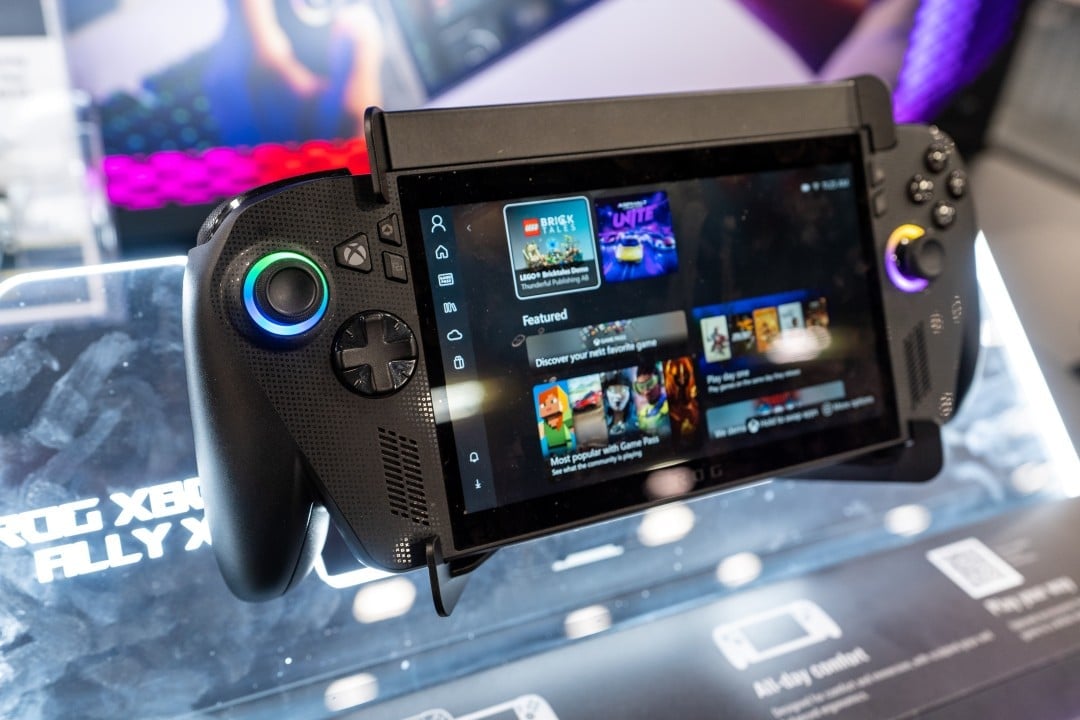
The gaming community is closely watching developments, aware that any substantial change to Microsoft’s exclusivity policy could redefine the competitive landscape. The company, in turn, remains officially silent, which only further fuels the wave of conjecture.
Origin and scope of rumors
The first hints of these rumors emerged from discussions in podcasts and publications by journalists and well-known video game industry insiders, who cited anonymous sources linked to Microsoft. The nature of these allegations, initially focused on specific titles such as *Hi-Fi Rush* and *Sea of Thieves*, quickly expanded to include other major franchises such as *Starfield* and the next *Indiana Jones and Grande Círculo*. The credibility of some of these sources, which had already made previous predictions correctly, gave considerable weight to the speculation, causing it to quickly gain traction.
The dissemination of this information occurred mainly through social networks and video platforms, where videos and posts analyzing the situation accumulated millions of views and interactions. The impact was immediate, with shares of Microsoft and its competitors being closely watched by financial markets, although without drastic impacts so far. The industry’s transparency, or lack thereof at certain times, allows rumors like this to find fertile ground to thrive.
The community has expressed itself in different ways, from supporting the idea of greater accessibility to games to vehement criticism about the devaluation of the Xbox ecosystem. Esta duality of opinions reflects the complexity of the topic and the different interests at play.
Strategic context of Microsoft
Microsoft has demonstrated a more flexible approach to distributing its games in recent years. The strategy of releasing titles on Game Pass on both Xbox and PC, and the recent acquisition of Activision Blizzard King for nearly $70 billion, signal a long-term vision focused on services and multiplatform reach. Essa acquisition, in particular, has raised questions about maintaining exclusives for franchises like *Call of Duty*, which have traditionally been released on all platforms.
Industry analysts point out that the decision to take games to other platforms could be motivated by several factors. One of them would be the search for revenue maximization, especially in a scenario where the growth in the number of Game Pass subscribers may be slowing down. Vender games on competing consoles would represent a new source of revenue for titles that have already had their sales peak in the Xbox ecosystem, taking advantage of a larger global market.
Another important point is resource optimization. Desenvolver AAA gaming is an expensive and time consuming process. By expanding the target audience, Microsoft could justify even greater investments in its productions, ensuring that the financial return is more robust. The company is constantly evaluating how to balance the Xbox’s attractiveness as a console with the profitability of its games portfolio.
Implications for the console market
A possible change in Microsoft’s exclusivity policy would have profound implications for the entire console market. Tradicionalmente, exclusive games are one of the main competitive differentiators between platforms, driving hardware sales. If Xbox’s major titles were to be released on PlayStation, for example, Sony could face more direct competition on its own turf, while Nintendo would also feel the effects in its niche.
For consumers, the news could be seen as positive. The ability to play titles previously restricted to a specific platform on your preferred console would increase freedom of choice and potentially reduce the need to purchase multiple systems. Isso could lead to less fragmentation of the player base and a greater focus on game quality and innovation rather than exclusive wars.
The long-term impact is still uncertain, but the general trend indicates a move towards a more interconnected gaming ecosystem. Empresas like Epic Games, with its multiplatform store, and Valve, with Steam, have already demonstrated the power of a less restrictive model. Microsoft, with its cloud infrastructure and services like Game Pass, would be well positioned to lead this transition, should it choose to do so.
Community reactions and expectations
The gaming community reacted to the rumors with a mix of excitement and concern. Muitos expressed satisfaction at the prospect of access to more games, praising the idea of a more open industry. The possibility of playing *Starfield* on PlayStation, for example, was received with great interest by a considerable number of players. Esta A more optimistic vision focuses on democratizing access to content and reducing barriers imposed by hardware exclusivity.
On the other hand, there was a strong reaction from Xbox users who felt “betrayed” by the potential change. Para many, exclusivity was one of the main reasons for investing in the Microsoft console, and removing this difference could devalue your choice. Discussions on social media and forums revealed a sense of frustration among those who have dedicated themselves to the Xbox ecosystem for years, expecting the platform to offer unique experiences not replicable elsewhere.
There is also concern that by focusing on other platforms, Microsoft could reduce investment in innovations exclusive to Xbox, making the console less attractive in the long term. The expectation now is for an official communication from Microsoft, which can clarify the situation and outline future plans for the gaming division. Clarity is essential to calm tempers and set expectations for everyone involved.
The future of exclusivity in gaming
The discussion about game exclusivity is not new, but it takes on a new shape with the possible movement of Microsoft. Historicamente, exclusives were fundamental pillars for the success of consoles, creating strong identities for each platform and encouraging technological competition. However, the current scenario, with the growth of PC gaming, streaming services and the rise of subscription-based business models, suggests a reevaluation of this paradigm.
The trend seems to be towards a more fluid industry, where content is king, and the platform is just the means of access. Empresas and Sony, for example, have already started releasing some of their exclusive PlayStation games on PC, recognizing the revenue potential and reach that this strategy offers. Nintendo, in turn, maintains a more traditional stance, focusing on exclusives that align with its unique hardware proposal and gaming experience.
Microsoft’s final decision, whatever it is, will have a ripple effect across the entire industry. If the company does opt for a more aggressive multiplatform approach, it could force other giants to reconsider their own strategies, accelerating a transformation that was already underway. The future of gaming may be less about where you play, and more about what you play and how you access that content. The industry is at a crucial time of transition, and Microsoft’s next moves will be watched with great interest.