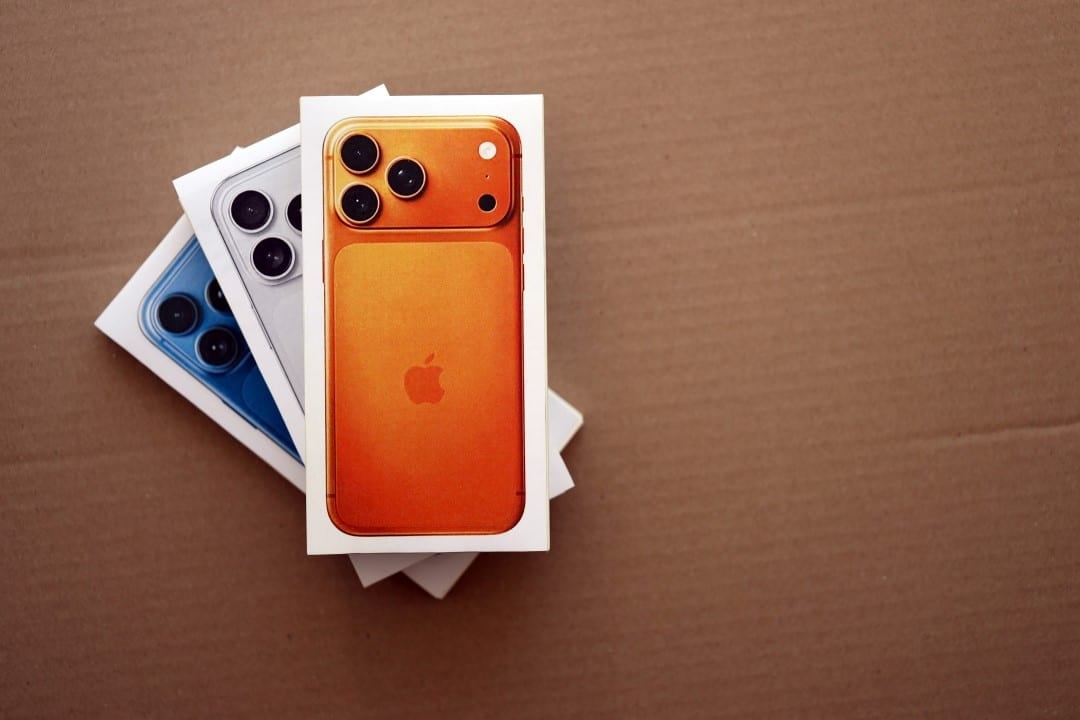
Apple has restructured its hardware release calendar for the second half of this year. The Cupertino company decided to focus its traditional September event exclusively on high-cost devices, including the Pro versions and the debut of its first foldable smartphone. The change breaks a tradition of more than a decade in the telephone market. The total focus will be on premium devices, leaving out the presentation of the most affordable variant of the main line.
The strategic move aims to justify the use of advanced components and maximize value perception among brand enthusiasts. With the change, the standard phone model has been officially moved to the first half of 2027. The manufacturer is betting that the separation of ads will alleviate pressure on the global supply chain and ensure more rigorous quality control. The new flexible device will occupy its own luxury category, with an estimated price above the two thousand dollar mark in the North American market.
Flexible device Produção and market positioning
The introduction of the foldable format establishes a new financial level for the manufacturer’s ecosystem. The device required complex engineering to hide the screen’s central crease and maintain the chassis’ slim profile. Para To test public reception and avoid building up expensive inventory, initial production will be limited to a volume of between seven and eight million units worldwide. Foxconn, Ásia’s main assembly partner, has already started the experimental production phase on its most modern lines. Esse testing process calibrates the machinery and prepares teams for large-scale manufacturing, which begins in July. The strategy initially focuses on executives and consumers willing to pay the high cost of technological innovation. The company understands that the massive adoption of flexible screens will occur gradually over the next few years. Product delivery will involve a differentiated purchasing experience to justify the investment.
The photographic system also reflects the positioning of each device. The Pro Max model will maintain the exclusivity of the rear set with three high-capacity lenses. The foldable version will adopt a dual camera system, an engineering decision taken to preserve ergonomics and avoid excessive weight on the articulated structure.
Powerful Eficiência and two-nanometer processing
The operation of the new premium devices depends on the A20 Pro processor, built with TSMC’s two-nanometer lithography. The miniaturization of transistors makes it possible to accommodate greater processing power in a reduced physical space within the logic board. Laboratory Testes indicate a fifteen percent performance gain and a thirty percent reduction in power consumption. Essa cooler architecture solves the historic challenge of heat dissipation in foldable electronics. The component ensures the execution of complex artificial intelligence tasks without compromising the integrity of the flexible dashboard.
Usage autonomy received significant updates with the adoption of higher density battery cells. The Pro Max variant will reach capacities between 5,100 mAh and 5,200 mAh, extending operating time away from the socket. Power management is supported by the C2 modem, developed internally by the manufacturer itself. The exchange of third-party parts for our own components optimizes communication with fifth generation networks. The direct result is a reduction in energy expenditure in processes running in the background.
Identidade unified visual and aesthetic refinement
The design of the more expensive devices will undergo changes to reinforce the exclusivity aspect of the line. The color palette will abandon vibrant tones and conventional black, prioritizing metallic variations such as gray, silver and natural titanium. The rear glass will receive a specific chemical treatment that visually merges its texture with the phone’s side frame. The engineering goal is to create the illusion that the device consists of a single piece of metal and glass. On the front, the interactive area that houses the facial recognition sensors and the selfie camera will be reduced in size. The designers managed to relocate part of the biometric components below the illuminated display. The change increases the screen’s usable viewing area without compromising the system’s security protocols. Essas aesthetic changes restricted to models above a thousand dollars function as a status marker in the consumer market.
Entry Portfolio Remanejamento for Next Year
The division of the advertising calendar changes the purchasing dynamics for users who prefer to invest less in changing cell phones. The spring launch window, scheduled to take place between March and April 2027, will focus on new products focused on sales volume. The strategy dilutes the company’s revenue throughout the fiscal year and reduces the historical dependence on the holiday quarter. The technology market tends to show a natural drop in consumption during this period, which justifies the injection of new entry products.
The first semester event will serve to showcase different options outside of the luxury category, catering to a broader customer base. Clear separation between products facilitates global distribution logistics and directs marketing campaigns with greater precision. The company plans to completely revamp the shelves with more affordable options. The 2027 schedule includes the following releases scheduled for spring:
- The standard version of the smartphone, postponed from the September event.
- A low-cost focused variant to replace old stocks in emerging markets.
- The second generation of the ultra-thin line, aimed at a specific design niche.
Corporate Celebração Drives Technological Innovations
The concentration of advanced technologies in the second semester works as a preparation for the milestone of fifty years since the manufacturer was founded. The board determined that the current product cycle needs to reflect the brand’s maximum engineering capabilities. The simultaneous bet on two-nanometer chips, high-density batteries and the company’s first foldable panel meets this corporate requirement. Postponing the simplest projects ensured that assembly lines devoted their full attention to the devices that will define the company’s image for the next decade. The logistical effort involves the entire supply chain to avoid structural failures in the new formats. The manufacturer seeks to ensure that the debut in the flexible screen segment occurs without the durability problems faced by competitors in the past. The technical success of the September event is considered essential for long-term financial planning.