

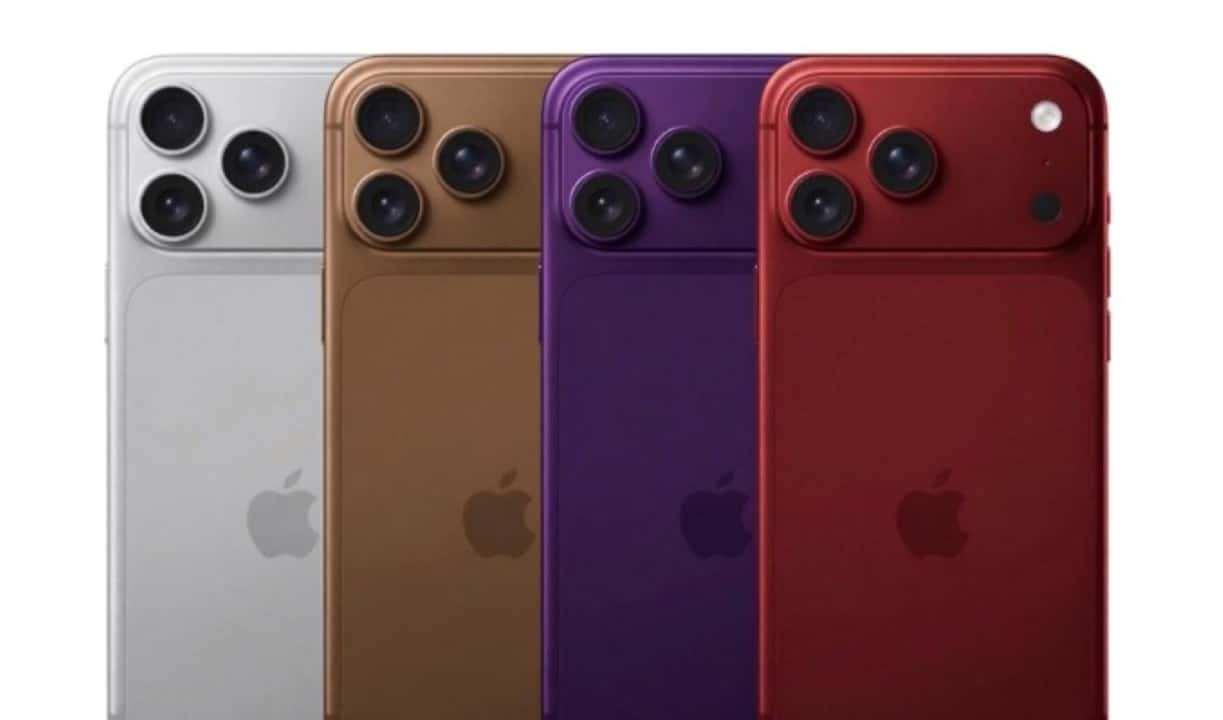
Apple is working on developing its next line of premium smartphones with significant hardware upgrades. The new device promises to introduce unprecedented processing architectures to the global mobile phone market. The company focuses its efforts on redefining industry performance standards. The project involves profound structural changes to the device’s internal components.
The manufacturer’s strategy seeks to widen the technical gap between the basic versions and the brand’s more expensive models. Analistas from the technology sector point out that the integration of smaller and more efficient components will dictate the pace of competition in the coming years. The move occurs in a period of strong competition for market share against Asian conglomerates. The end consumer demands tangible innovations to justify the exchange of high-cost equipment.
Avanços on processing architecture and energy efficiency
The core of the innovations lies in the adoption of the A20 Pro chip. The component will be manufactured under TSMC’s two-nanometer process. Esta transition represents a considerable technical leap for semiconductor engineering. Reducing the size of transistors allows more computing power to be allocated in the same physical space. The direct result reflects the speed of executing complex tasks. Application loading and local data processing will occur in fractions of a second.
Energy efficiency is highlighted in this new generation of silicon. Dispositivos mobile devices face the constant challenge of balancing maximum performance and battery life. The new manufacturing standard reduces energy waste in the form of heat. Users will notice extended runtime even when using heavy tools. Jogos with advanced graphics and video editing software will run more smoothly. Improved thermal dissipation prevents processor throttling during peak usage.
The standard versions of the line must maintain three nanometer technology. Esta commercial decision reinforces the segmentation of the company’s portfolio. The cost of producing the most advanced chips is still high in the supply chain. The manufacturer directs primary innovations to consumers willing to invest in cutting-edge devices. Clear separation of capabilities helps justify different price points on shelves.
Modificações on camera system and front design
The photographic set will receive special attention from the engineers responsible for the project. The main lens will adopt a variable aperture system. The physical mechanism dynamically adjusts the light input according to the environment. The quality of images captured in dark places will show substantial improvements. The transition between brightly lit scenes and shadow areas will be handled more naturally by the sensor.
Depth of field will also benefit from this mechanical change. Fotógrafos professionals use this feature to isolate the subject from the image background with precision. The smartphone will be able to replicate the effect of dedicated cameras with greater optical fidelity. Artificial intelligence will work together with the hardware to refine the final processing of photographs. The camera software will undergo a rewrite to accommodate the new physical variables of the lens.
The front interface will undergo a major structural redesign. The interactive area at the top of the screen will be reduced in size to maximize usable display space. The goal is to deliver a more immersive visual experience during media consumption.
- Facial recognition technology can be relocated below the main light panel.
- Screen sizes should remain at 6.3 inches for the Pro version and 6.9 inches for the Max model.
- The chassis will continue to use titanium to ensure structural strength with reduced total weight.
Novas color options will be part of the product launch catalog. Especula introduces new tones focused on the metallic finish of the edges. The visual identity of the device serves as a strong marketing element for the corporation. The external design needs to reflect the technological leap present inside the chassis.
Improved Conectividade and transmission speed
The device’s network infrastructure will follow global telecommunications developments. Compatibility with the Wi-Fi 7 standard is provided for in the leaked technical specifications. The protocol offers data transfer rates considerably higher than previous generations. Network congestion in public places will be mitigated by this technology. Downloading large files and streaming ultra-high-resolution videos will be seamless.
The modem responsible for cellular communication will receive firmware and hardware updates. Signal stability in areas of uneven coverage should show noticeable improvements. The transition between fifth generation networks and legacy connections will occur smoothly for the consumer. Battery consumption while constantly searching for a carrier signal will be optimized. Satellite communication for emergencies will also undergo range refinements.
Integration with the brand’s accessory ecosystem will dictate part of the connectivity choices. Latency in transmitting audio to wireless headphones will be reduced to the minimum possible. Communication with smart watches and other wearable devices will gain new encrypted security protocols. The company remains focused on improving the user experience within its own digital services environment.
Strategic Posicionamento on the international stage
The global smartphone market requires constant innovation to stimulate annual sales. The upgrade cycle for consumers has increased in recent years due to the maturity of technology. The introduction of exclusive features in premium models aims to heat up pent-up demand. The American corporation needs to demonstrate technical superiority over the launches of competitors based on the China and Coreia of the Sul. The fight for market share in emerging countries requires a highly attractive portfolio.
The global supply chain plays a key role in this development timeline. The partnership with Asian semiconductor suppliers guarantees the volume necessary for a simultaneous global launch. Logistics planning involves the coordination of dozens of factories spread across different continents. The final assembly of the devices follows strict quality control standards before distribution to retail stores.
The impact of these innovations transcends the physical hardware delivered to the customer. The operating system will be shaped to extract the maximum potential from the new electronic components. Desenvolvedores applications will receive updated tools to exploit the two-nanometer processor and variable aperture camera. The digital ecosystem will continue to evolve in parallel with the mechanical capabilities of the mobile phone. The symbiosis between software and hardware remains the central pillar of the technology company’s business model.