Argentine icon Luis Brandoni, actor and union leader, dies aged 86 in Buenos Aires

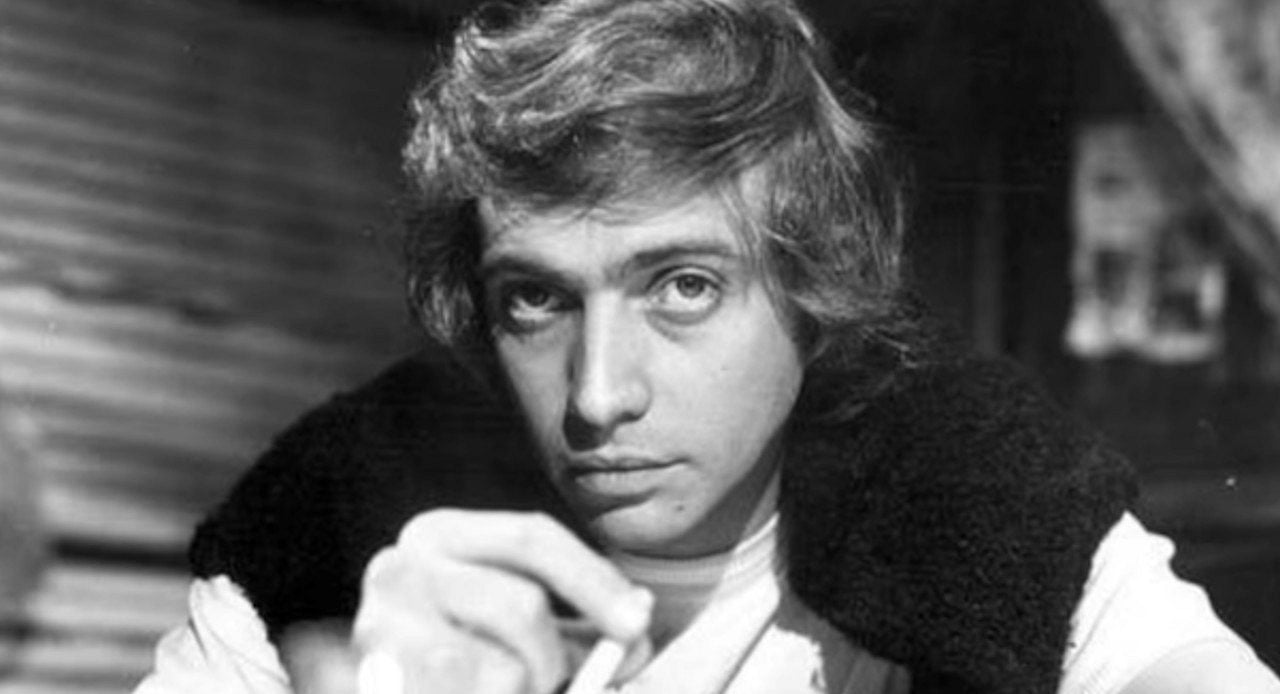
The renowned Argentine actor Luis Brandoni, a central figure in the country’s theater and cinema, passed away this Monday (21) at the age of 86 in Buenos Aires. Ele was admitted to the intensive care unit at Sanatório Güemes, where he was being treated for a brain hematoma. The condition was caused by a recent fall at his residence, as reported by Carlos Rottemberg. The death of Brandoni represents a significant loss for Argentine culture, leaving a profound legacy that encompasses art, unionism and national public life. Sua’s career spanned more than six decades, consolidating him as one of the greats of his generation.
The farewell of a complete artist and official confirmation
The news of the passing of Adalberto Luis Brandoni, popularly known as Luis Brandoni, was confirmed with regret by theater manager Carlos Rottemberg. Rottemberg used his social media to express his sadness, highlighting the actor’s importance to the cultural scene. “With Beto the last first actor of an unforgettable generation goes”, wrote the businessman, highlighting the artist’s permanent commitment. Brandoni, in addition to being an actor, was an influential union leader and a committed political activist.
Sua’s multifaceted trajectory marked generations of colleagues, spectators and activists. Hospitalization at Sanatório Güemes preceded death, caused by complications resulting from the fall. In one of his best-known reflections, Brandoni had stated that he did not fear death, although he admitted to feeling “very sad” when thinking about leaving. Essa serenity in the face of the end revealed the depth of his vision on life and art, which have always guided his existence.
Raízes in Dock Sud and the awakening to art and politics
Nascido on April 18, 1940, in the working-class neighborhood of Dock Sud, Buenos Aires, Luis Brandoni grew up in a working-class family. Seu’s father, José Domingo, was a bank employee and presided over Club Sportivo Dock Sud. Sua mother, Luisa Valentina Emiliani, took care of the house. The experiences lived in Dock Sud, a neighborhood of intense diversity, were fundamental in shaping its character and social sensitivity over the years. Ele fondly remembered his mother’s hiss calling him home, as well as the excitement of discovering Argentine cinema in local theaters.
Aos thirteen years old, the family moved close to the Monumental stadium, and Brandoni became an ardent supporter of River Plate. Essa passion was one of the reasons for his return from exile at a later period in his life, demonstrating the strength of his roots. His artistic vocation came very early, at the age of eight, when he organized a puppet show at home. Pouco later made his radio debut on a children’s theater program.
Após high school, decided to join Conservatório Nacional from Música and Arte Escênico. Lá, had masters such as Cunil Cabanellas, Osvaldo Bonet and Camilo Da Passano, to whom he credited much of his professional training. “A part of who I am I owe to these masters,” said Brandoni, emphasizing the importance of the professional ethics that was instilled in him from an early age.
As a teenager, he dreamed of being a tango singer or a football player. Foi at the Obrero bar, together with friends like Ulises Dumont, where “Beto” — his nickname — received his first lessons in life and politics. Sua’s professional debut took place on May 2, 1962, in the musical comedy “Novio”, on Teatro Coliseo, marking the beginning of a brilliant career.
The vast legacy in Argentine cinema, theater and television
Luis Brandoni has built a solid career, becoming an archetypal Argentine actor due to his choice of roles in emblematic works and films. In cinema, he participated in more than 60 productions. Entre stand out: “La Patagonia Rebelde”, “La Tregua” (nominated for Oscar by Melhor Filme Estrangeiro), “Juan Que Reía” and “Seré Cualquier Cosa Pero Te Quiero”.
Sua’s performance in “Esperando la Carroza” was immortalized, especially due to the iconic phrase of the “three empanadas”, which became part of the country’s collective imagination. Brandoni, however, always saw the scene as more sad than funny, highlighting the dramatic dimension of the context portrayed there. Outros hits include “Darse Cuenta”, “Cien Veces No Debo”, “La Odisea de los Giles” and “El Cuento de las Comadrejas”, which consolidated his versatility.
On television, there were 25 appearances in popular cycles that won over the public. In “Mi Cuñado”, he played the unforgettable Roberto Cantalapiedra alongside Ricardo Darín, creating a memorable duo. Atuou also in “Buscavidas”, “Durmiendo con Mi Jefe” (with Guillermo Francella) and “Un Gallo Para Esculapio”, receiving much praise. Seu’s last big success on screen was the series “Nada”, from 2023, on the Star+ platform, where he shared scenes with the renowned Robert De Niro, in a performance acclaimed by specialized critics.
- Filmes and series that marked Luis Brandoni’s career:
– “La Patagonia Rebelde” (1974)
– “La Tregua” (1974)
– “Waiting for Carroza” (1985)
– “Mi Cuñado” (TV, 1993-1998)
– “La Odisea de los Giles” (2019)
– “Nothing” (Série, 2023)
Engajamento social and political: a commitment beyond the stage
Luis Brandoni’s life was not restricted to art; he maintained a strong commitment to his country’s society and politics. Sua family demonstrated this social sensitivity on several significant occasions. Após the death of his father, José Domingo, in 1985, Luis and his brother Gerardo donated part of the land they owned in San Rafael, Mendoza, to the local community. The condition was that a school would be built there, which today bears his father’s name, a legacy of his altruism.
Como union leader, Brandoni played an active role in Associação Argentina of Atores, fighting tirelessly for the rights and working conditions of the category. Sua political activism was also constant and notorious, spanning different historical periods. Ele actively participated in crucial moments in Argentine history, facing periods of repression and exile during the military dictatorship that ravaged the country. His love for his country and democracy made him return from exile, motivated, among other things, by his passion for football and River Plate, as he publicly mentioned in interviews. Sua’s voice was often heard in public debates, defending ideals of justice and freedom.
The unlikely friendship with Robert De Niro and the success in “Nada”
The friendship between Luis Brandoni and the Hollywood Robert De Niro star is one of the most curious and beloved stories of his professional life. The first contact occurred in 1986, when Brandoni traveled to Nova York to film part of “Made in Argentina”. Through Lito Cruz, a mutual friend and also close to De Niro, they met in person. The friendship deepened when De Niro, worried that Brandoni would spend the holidays alone in the foreign city, invited him to spend Natal’s Eve at his home. Brandoni went with his wife, Martha Bianchi, and one of his daughters, beginning a lasting and sincere bond.
The relationship persisted over the years, with meetings on several occasions, both in Estados Unidos and Argentina. The most recent professional reunion was in 2023, in the series “Nada”, on the Star+ platform. In the production, Brandoni played Manuel, a cynical and sophisticated food critic, while De Niro made a cameo appearance as Vincent, a New York friend of the protagonist. The series was a critical and public success, marking the actor’s last major work in his brilliant career. Sua’s departure leaves a huge gap, but his legacy will remain alive on the screens and in the memory of the Argentine people and lovers of the seventh art.