


The Nissan Ariya B9 e-4ORCE electric SUV has undergone a rigorous 400-kilometer battery of tests to validate its recent mid-life upgrades. The model of Japanese origin features aesthetic changes focused mainly on the front and a revised technology package for the occupants. The automaker seeks to align the vehicle with the brand’s new visual identity, preparing the ground for the 2026 line.
The changes come to reinforce the car’s positioning in the competitive global zero-emission segment. The original project has faced severe production bottlenecks in recent years, but has now reached full commercial maturity. The manufacturer’s Engenheiros also applied specific improvements to the thermal management of the battery pack. The central objective is to ensure greater energy efficiency on long road journeys and adverse weather conditions.
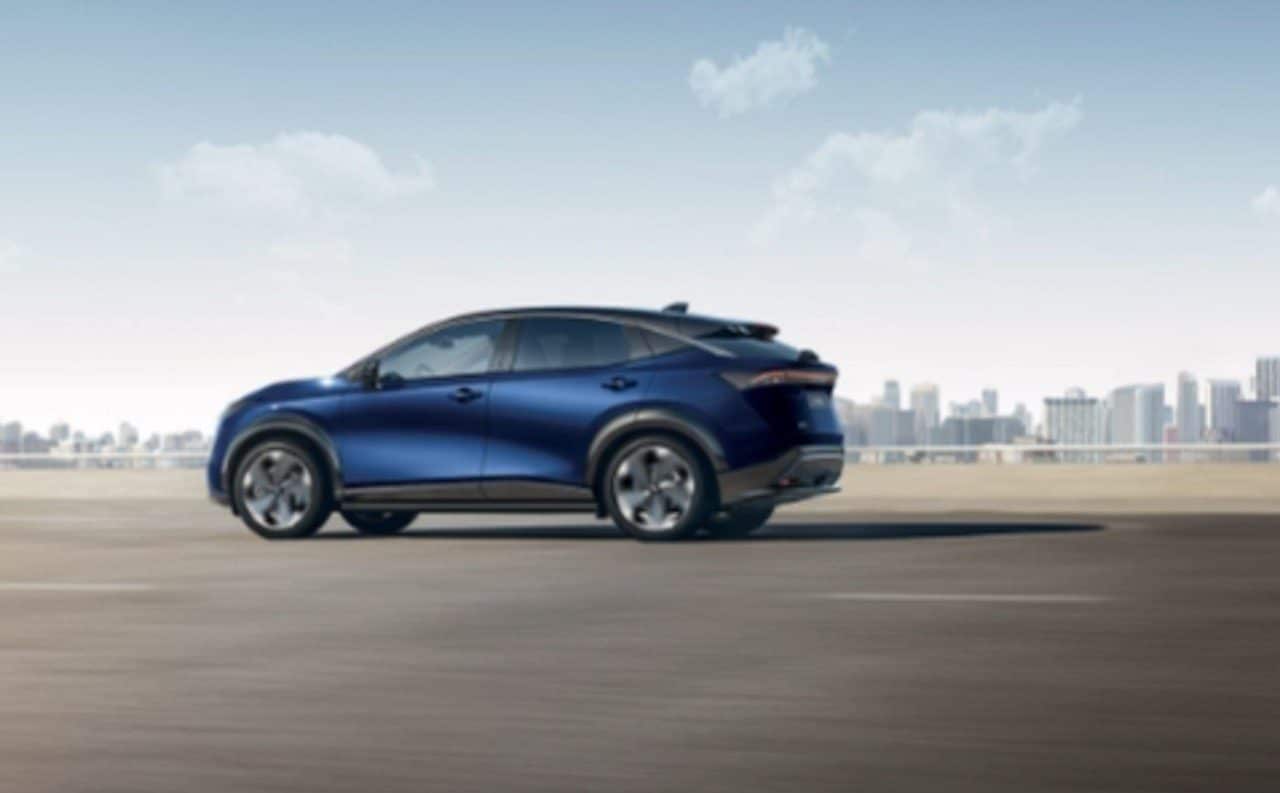
Integração visual brings utility closer to the identity of the Leaf hatch
The main external change focuses on the electric vehicle’s front grille. The manufacturer decided to abandon the large darkened surface that characterized the launch version of the utility. The front panel now follows the main body tone. Essa design choice creates a much cleaner and more fluid appearance. The optical assembly has also undergone a thorough styling overhaul.
The headlights equipped with LED technology feature an unprecedented, slightly sharper cut. The company logo remains illuminated. The piece gains even more prominence in the center of the redesigned front structure. The bumper lines have been simplified to reduce visual pollution from the front. Especialistas from the automotive sector point out that the new aesthetic language speaks directly to the third generation of Leaf.
Durante dynamic evaluation conducted by test pilots, the new shape proved to have a positive impact on overall aerodynamics. Air resistance decreases slightly with the redesign of the front end. The car cuts through the wind more easily at constant cruising speeds. The presence on urban roads also conveys an image of restrained sophistication. The design avoids resorting to exaggerated or aggressive creases in the bodywork.
Histórico production overcomes global industry bottlenecks
The electric utility vehicle’s path to stabilization in dealerships required patience from the automaker and customers. The global announcement took place in mid-2020. Havia had great expectations from the consumer market at the time. However, the international semiconductor supply crisis hit the production chain hard in the first few months. The delivery schedule had to be redone several times by the board.
The industrial infrastructure also presented unexpected technical challenges during assembly. The Tochigi smart factory, built on the Japão with an exclusive focus on electrification, recorded initial failures in the automated painting process. The high-precision machinery required extra calibration before operating at its maximum daily capacity. The volume of finished units was severely restricted during the first years of manufacturing.
Apenas in March 2024 the standard version achieved full availability in major global automotive markets. The almost four-year interval between the presentation and normalization of sales tested the brand’s consumer loyalty. The NISMO variant, with sporty appeal and exclusive setup, was introduced simultaneously to heat up pent-up demand. The current model consolidates the definitive overcoming of this turbulent phase of manufacturing.
Cabine receives redesigned multimedia center and expanded connectivity
The interior of the vehicle received special engineering attention in terms of digital connectivity. The central screen that houses the infotainment system now runs much faster processing software. The transition between menus is fluid. Crashes reported by previous generation owners have been eliminated. The graphical interface adopts more intuitive icons to make it easier for the driver to see.
Integration with mobile devices reaches a new level of ease in daily use. In select markets, the native operating system incorporates the entire Google application ecosystem.
- Native Navegação with maps updated in real time by the panel’s integrated system.
- Comandos enhanced voice controls for climate control, directions and media playback.
- Respostas center screen touchscreens calibrated to avoid dangerous distractions while driving.
- Stabilized wireless Conexão for quick pairing of smartphones and tablets.
- Atualizações remote software for fault correction without needing to visit the workshop.
Long-term testing has proven the practical usefulness of digital tools in continuous motion. The driver can trace complex routes and locate quick charging points with just a few taps on the screen. Engineering also revised the cabin’s acoustic insulation for the 2026 line. The characteristic silence of the electric motors is reinforced by denser sound-absorbing materials installed in the doors and floor.
Thermal Gerenciamento optimizes autonomy on extensive trips
Battery durability and performance directly depend on strict temperature control. The update introduces more sophisticated thermal management software. The system monitors the heat generated by the power cells during strong acceleration. Liquid cooling acts preventively. Essa anticipation prevents the assembly from overheating and preserves the useful life of the internal components over years of use.
The 400-kilometer route mixed stretches of heavy urban traffic and high-speed highways. Thermal stability ensured that the autonomy projected on the panel exactly corresponded to the actual distance traveled by the pilot. e-4ORCE all-wheel drive technology distributes power intelligently. The car maintains exemplary grip even on wet asphalt or uneven dirt surfaces.
Fine tuning of the suspension complements the utility’s package of mechanical upgrades. Shock absorbers absorb impacts from holes and ditches more gently. The stiffness required to negotiate tight curves at high speed remains unchanged. The automaker is betting on this combination of family comfort and dynamic safety to maintain high competitiveness. The electric medium utility vehicle segment receives new competitors every semester, requiring constant evolution of products already established in stores.





