Treatment with Ozempic and Mounjaro requires high protein consumption to protect muscles
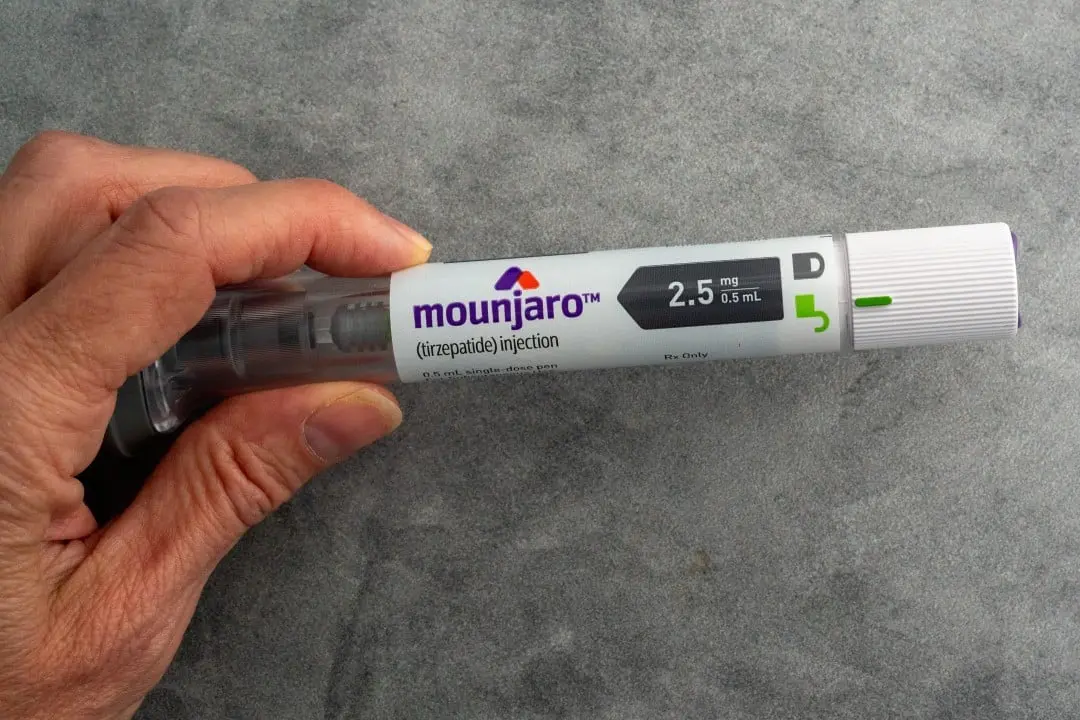
The drugs Ozempic and Mounjaro have transformed medical approaches to weight management in recent years. The substances function as GLP-1 receptor agonists and, in the specific case of Mounjaro, also act on GIP. Essa double action on the body significantly slows down the gastric emptying process. The patient experiences a drastic reduction in daily appetite. The feeling of satiety arrives much faster during meals, completely changing the person’s relationship with food.
Accelerated weight loss brings physiological challenges that require strict attention from health professionals. A considerable portion of the weight lost may come from the degradation of muscle mass, and not just adipose tissue. The human body requires strategic nutritional intervention to maintain metabolic balance during continuous treatment. The intake of specific nutrients prevents the body from consuming its own muscles as a primary energy source.
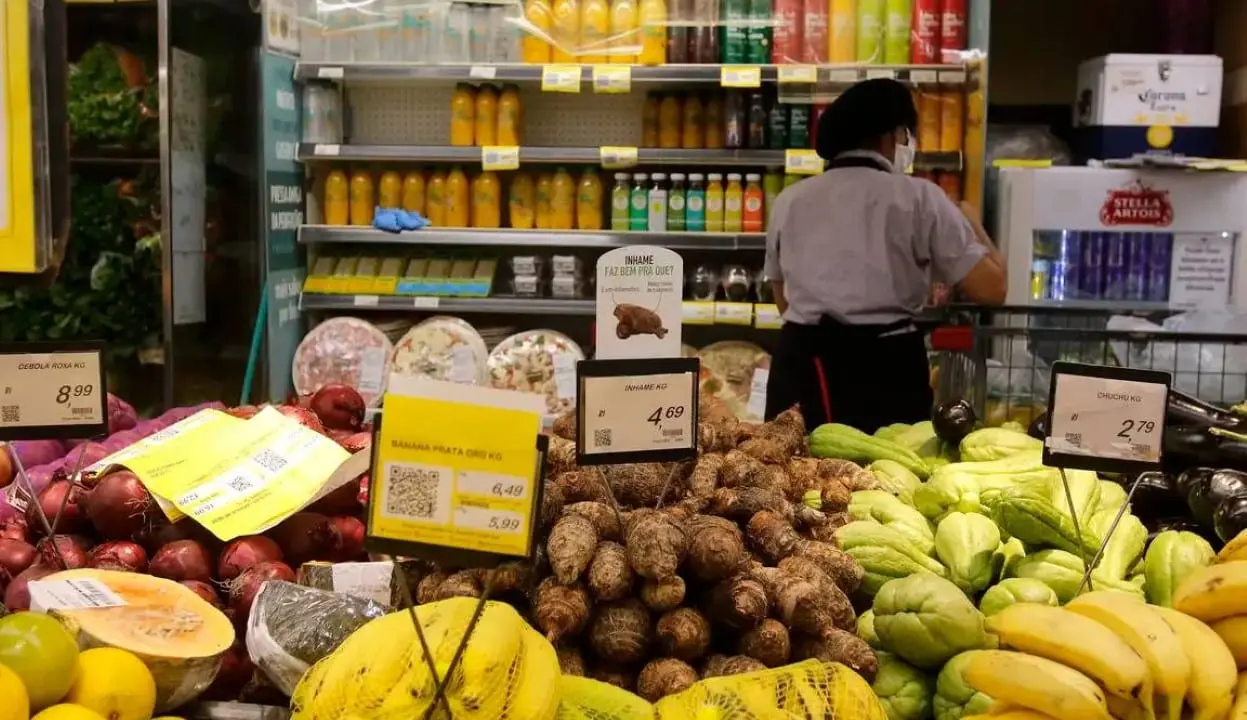
The central importance of proteins in preserving lean mass
Estudos Recent clinicians point out that up to 40% of all weight lost with the use of semaglutide may correspond to the patient’s lean mass. Scientific surveys show very similar results when tirzepatide takes effect in the body. Adequate protein consumption plays an absolute leading role in the daily eating routine. The nutrient acts as a fundamental building block for the maintenance of muscle fibers and prevents excessive flaccidity.
Daily needs vary depending on the level of physical activity of each individual undergoing treatment. Adultos with a sedentary lifestyle need to eat at least 0.8 grams of protein per kilogram of body weight every day. The number goes up quickly. People who practice regular physical exercise can increase this figure to up to 1.6 grams daily. The elderly population also demands a higher amount to avoid natural sarcopenia, which ends up being aggravated by the calorie restriction imposed by the medication.
The intelligent distribution of consumption throughout the day guarantees much more efficient absorption by the digestive system. Dividing the portions of the main meals protects your muscles on an ongoing basis. Lean sources are preferred because they facilitate the digestion process in a stomach that already works slowly.
- Ovos whole or pasteurized whites.
- Cortes lean beef and poultry without skin.
- Peixes varied and fresh seafood.
- Produtos soy derivatives such as tofu and edamame.
- Lentilhas and well-cooked beans.
- Sementes various nuts and nuts without added salt.
Esses foods provide very high quality amino acids without carrying excess unwanted saturated fats. Grilled, steamed or oven-baked preparations harmonize perfectly with the restrictions imposed by the effects of medications. The patient is able to nourish the body without causing episodes of intense nausea or reflux.
Fibras foods combat side effects on the digestive system
A significant decrease in the total volume of food consumed usually reduces the amount of fiber in the daily diet. The immediate consequence of this deficiency appears in the form of severe intestinal constipation. The problem is quite annoying. Nutritional guidelines recommend consuming 25 grams per day for adult women, while men need to reach the 38-gram mark every day to keep their bowel rhythm working without blockages.
The introduction of fiber into your eating routine requires caution and calculated progression. An excessive load consumed at once can aggravate gastric discomfort and generate acute abdominal distension. The ideal scenario involves a gradual increase in portions accompanied by a proportional increase in clear liquid intake.
Leia Também

Three days after earthquake, rescue teams find 11-year-old boy under rubble in Venezuela

Dispute in Austria: Russell takes pole position in the 2026 Formula 1 GP; find out where to watch in the USA and 7 other countries

Complete guide to external batteries in 2026 with affordable options and high-performance models
- Vegetais raw leafy or steamed vegetables.
- Frutas fresh eaten with the skin whenever possible.
- Leguminosas varieties such as beans, chickpeas and lentils.
- Sementes of hydrated chia and flaxseed flour.
- Aveia in thick flakes or oat bran.
Vegetables and fruits deliver a considerable food volume with an extremely low caloric density. Seeds and whole grains complement the intake necessary for the correct formation of fecal matter. Dividing these sources throughout meals avoids any type of overload on the already sensitive digestive system.
Gorduras unsaturated and complex carbohydrates balance metabolism
Replacing saturated fats with unsaturated versions promotes a drastic reduction in the risk of cardiovascular events. Pesquisas published recently indicate that omega-3 has the ability to enhance the beneficial effects of injectable medications. The fatty acid also acts secondary to attenuating the loss of lean mass during the accelerated weight loss process. The maximum limit for saturated fat intake should remain within the range of 10% of the day’s total calories.
Extra virgin olive oil and avocado improve several metabolic parameters in individuals diagnosed with type 2 diabetes. Strictly controlled portions prevent the feeling of excessive heaviness in the stomach after lunch and dinner. Nuts and deep-sea fish complete the list of lipid sources recommended by clinical nutrition experts.
Carbohydrates lose the villain label when they arrive on the plate through whole, nutrient-rich sources. Eles provide the primary energy needed by the brain and deliver fibers that help stabilize blood glucose levels. A practical and visual strategy is to reserve exactly a quarter of the plate for these foods during main meals. Brown rice, quinoa, barley and starchy vegetables fulfill this function excellently and without generating insulin spikes.
Constant Hidratação and items that should be removed from the daily menu
Treatments with Ozempic and Mounjaro often trigger episodes of nausea, vomiting or acute diarrhea in the first weeks of application. Esses gastrointestinal symptoms dangerously increase the risk of systemic dehydration. Water plays the vital role of diluting circulating glucose and helping to lubricate the intestine. The hydration goal established by health protocols is at least 1.9 liters per day. Chás natural and coffees without any type of sweetening are included in the daily accounting of liquids ingested.
Determinados food products have the potential to aggressively intensify side effects. Deep-fried foods and meats with thick layers of fat take hours longer to leave the stomach cavity. The process is slow. Added sugars and super-refined carbohydrates cause immediate abdominal discomfort and gas. Bebidas Alcoholic drinks, carbonated soft drinks and excessively spicy dishes irritate the gastric mucosa, which is already sensitized by the continuous action of the medication.
Adopting light culinary preparations and reducing portion sizes minimizes the risk of serious digestive complications. The patient’s focus should remain anchored on the nutritional quality of each bite, rather than seeking blind, organ-damaging calorie restriction. The exact combination of high biological value proteins, soluble fibers, protective fats and abundant hydration supports the long-term success of the treatment. Simultaneous monitoring with endocrinologists and nutritionists guarantees the necessary fine adjustments for each specific biological profile over the months.