Asian automaker guarantees arrival of new version with mixed engine to the national market this year By Luís Henrique Costa
5 min read
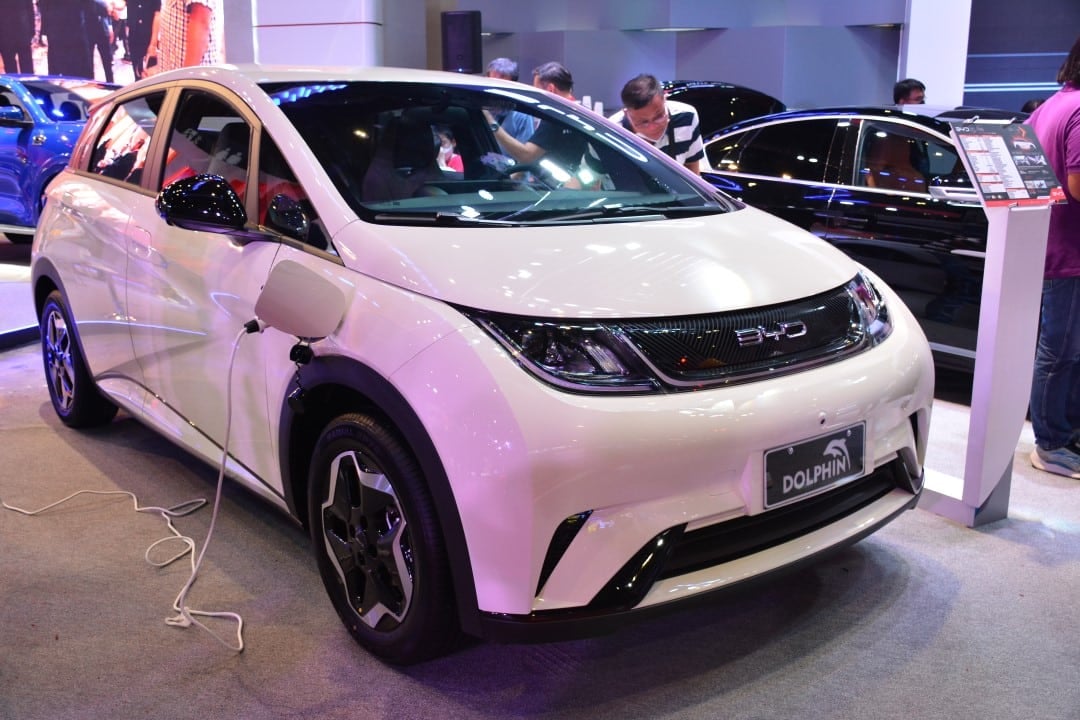 |
Chinese manufacturer BYD has officially introduced a new variant of its most popular compact model in the Brasil during the Salão of the Automóvel of the Pequim. The vehicle will bring a plug-in hybrid system to the country’s streets in the second half of 2026. The novelty seeks to attract consumers who seek energy efficiency without relying exclusively on electric charging points on the roads.
The senior vice president of the Brazilian operation, Alexandre Baldy, led the presentation of the strategic plans to the international press. The version called Dolphin G represents an important step in the diversification of the Asian automaker’s catalog. The executive avoided providing detailed technical specifications or definitive images of the project. The current strategy focuses on consolidating the technological transition in a gradual and safe way for the consumer.
The advancement of mixed technology in the manufacturer’s portfolio
The development of the new car is at an advanced stage of calibration and road tests at China. Engenheiros from the brand works intensively on adapting the mechanical assembly to guarantee the best possible performance. The plug-in hybrid engine combines a combustion engine with rechargeable batteries in residential sockets or charging stations. Essa architecture offers enormous versatility for everyday use in large cities.
The decision to bring the Dolphin G to the national territory responds to a growing demand for more affordable and practical electrified cars. Muitos drivers are still reluctant to adopt fully electric vehicles due to highway charging infrastructure. The mixed system eliminates this concern on long trips. The driver can run in pure electric mode in the city and use liquid fuel on long journeys.
The launch schedule points to the second half of the year, a traditionally hot period for automotive retail. The dealership network is already beginning preparations to receive the initial batch of imports. Market expectations revolve around the price positioning of the new product. Especialistas believe that the value will be at a very competitive level compared to direct rivals.
Manutenção’s visual identity consolidates public preference
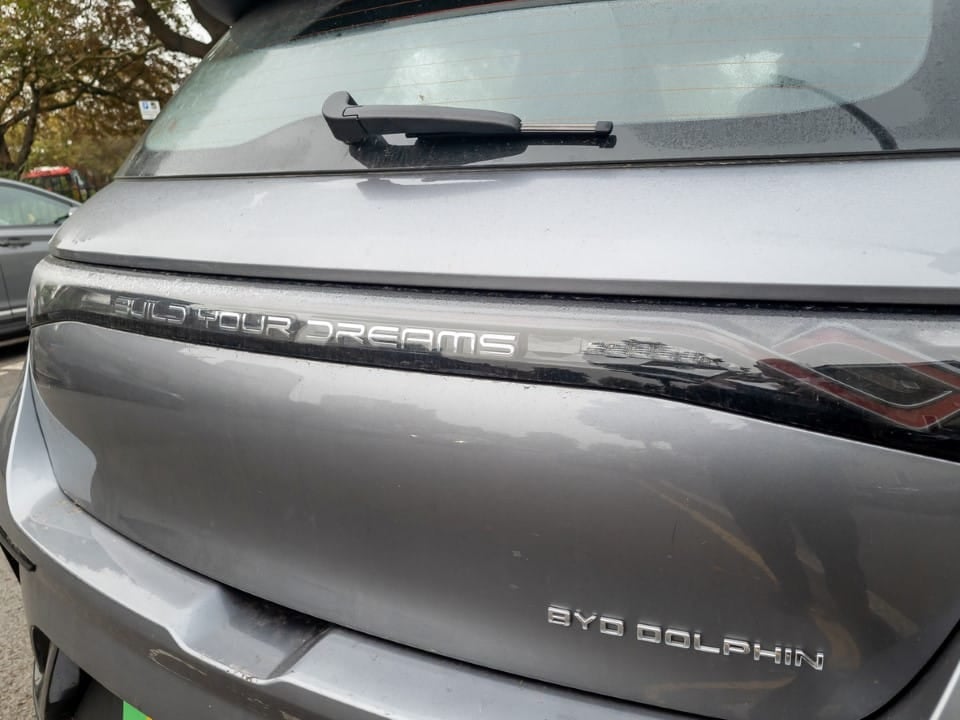
Apesar of the radical change under the hood, the external appearance of the compact will not undergo drastic transformations. The automaker’s management assured that the hatch’s established lines will remain intact in this new commercial phase. The current design gained a solid customer base and helped popularize the brand in the country.
Alexandre Baldy was categorical in stating that the company will not change the original design of the product at this time. The statement reassures current owners about a possible early devaluation of their assets. The conventional Dolphin and Dolphin Mini form the manufacturer’s most commercially successful duo in the Brazilian market. Eles easily leads the number of registrations in the zero-emission segment.
The aesthetic preservation strategy makes sense from an industrial and marketing point of view. Deep Alterações would require new stamping molds and lengthy approval processes. The company prefers to focus its resources on energy efficiency and expanding production capacity.
- The new version uses plug-in rechargeable hybrid technology.
- The prototypes undergo rigorous evaluations on the Asian continent.
- The arrival in Brazilian stores takes place in the second half of the year.
- The aesthetic characteristics of the body remain unchanged.
Visual familiarity makes it easier for traditional buyers to accept new technology. Consumers recognize the car on the streets and associate the format with its already established sales success. Trust in the brand grows with each new license plate registered by traffic authorities.
Medium Sedã gains strength and evaluates production on Bahian soil
The company’s strategic planning also involves important definitions regarding other segments of activity. Recent Rumores suggested a possible discontinuation of the King sedan in the catalog offered to Brazilians. The senior vice president completely ruled out this hypothesis during the press conference. The executive model remains strong in the showcases and has ambitious projections for the coming months.
Vehicle acceptance exceeded the sales team’s initial estimates. Apenas in the first months of this year, the sedan registered more than three thousand units sold throughout the national territory. Esse expressive volume guaranteed second place in the medium sedan category. The car is second only to the traditional Toyota Corolla in the registration ranking.
The favorable commercial performance paves the way for an even bolder step by the Asian manufacturer. The board is seriously studying the possibility of nationalizing the production of the sedan in the Camaçari industrial complex, in Bahia. Local manufacturing would reduce logistics costs and import taxes. The end consumer would be the biggest beneficiary of a possible reduction in the price list charged at dealerships.
Expansão of the industrial complex reflects a new phase in the sector
The old factory in northeastern Brazil is undergoing a complete redesign to house BYD’s assembly lines. The billion-dollar investment transforms the region into a hub of technological innovation focused on sustainable mobility. The structure will have the capacity to deliver thousands of electrified vehicles per year. The generation of direct and indirect jobs already boosts the local economy.
The national production of models such as the King and the Dolphin itself represents a milestone for the South American automotive industry. The automaker plans to use components manufactured by local suppliers to increase the nationalization rate. Essa measure strengthens the production chain and ensures greater agility in parts replacement. The automotive repair market follows the initiative with optimism.
The progress of works at Camaçari follows a strict execution schedule. The first cars assembled on the Brasil should roll off the conveyor belts soon, marking the effective start of industrial operations. Bahia’s port infrastructure facilitates both the receipt of imported inputs and the future export of ready-made vehicles. Países’s neighbors Mercosul are on the company’s radar for commercial expansion.
Transição energetic drives new consumption choices
The introduction of hybrid engines into the portfolio reinforces the brand’s commitment to the gradual decarbonization of the circulating fleet. The technology present in the new models stands out for its low fuel consumption and smooth driving. The combustion engine often acts only as an energy generator for the batteries. The result is a thermal efficiency higher than that of conventional cars.
The profile of the Brazilian consumer has undergone a profound transformation in recent years. The search for savings at the gas station goes hand in hand with environmental concerns. Electrified cars are no longer a luxury niche but have become viable options for the middle class. The diversification of offers accelerates this process of cultural change in the country’s garages.
The arrival of the Dolphin G adds an extra layer of competitiveness to the national automotive sector. Traditional Montadoras observe the movement carefully and prepare their own technological responses. The competition for customer preference stimulates innovation and improves the quality of products offered in stores. The 2026 market consolidates electrification as a tangible reality for thousands of drivers.