
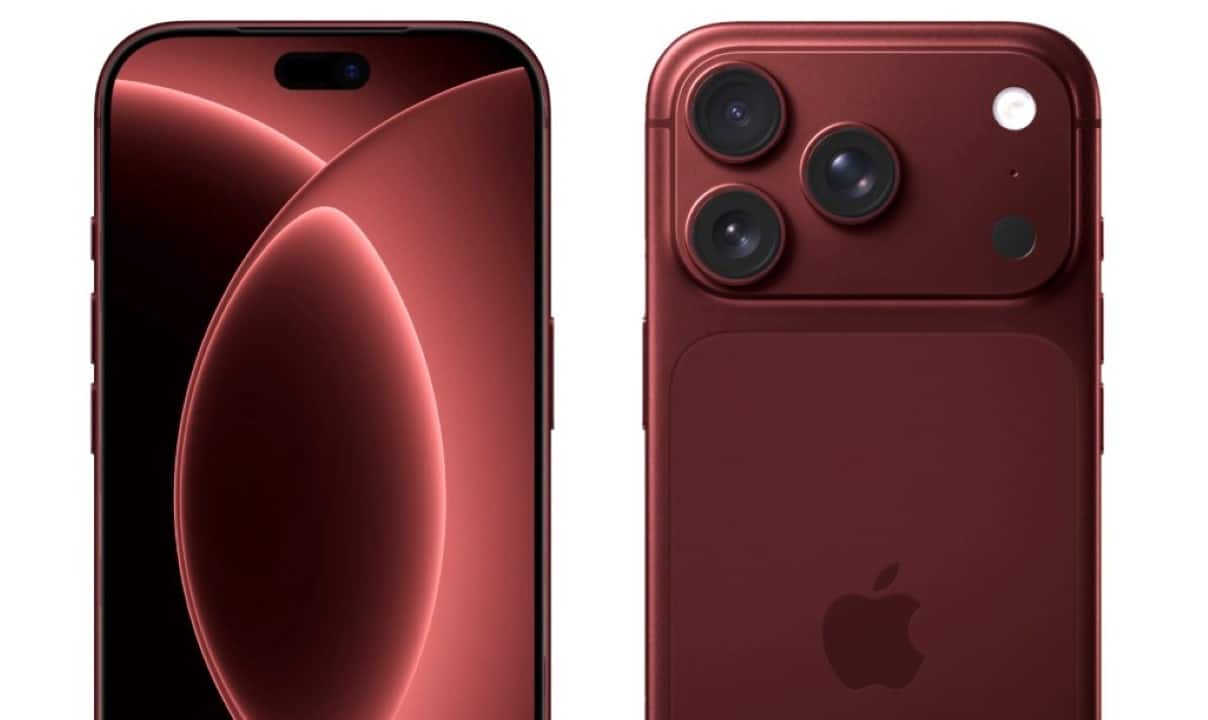
The Cupertino-based technology giant is preparing a major redesign for its next line of high-performance smartphones. The long-awaited iPhone 18 Pro will hit the international market in September with an unprecedented aesthetic proposal, abandoning the opaque rear panels in favor of a completely transparent finish that reveals the device’s complex internal engineering. The decision marks a turning point in the brand’s visual identity.
The visual change represents the company’s biggest design leap in recent years and required a complete restructuring of the assembly chain at Ásia’s partner factories. Para to enable the elegant display of components, engineers had to meticulously redesign the motherboard, apply new thermal dissipation methods and use extremely high-strength materials to guarantee the equipment’s durability in daily use.
Estrutura titanium engineering and translucent glass
The development of the back panel required the creation of a reinforced glass alloy subjected to specific chemical treatments in advanced research laboratories. The complex industrial process prevents the material from yellowing over time, a common flaw in translucent surfaces exposed to direct sunlight. The unique chemical composition also increases protection against accidental drops and deep scratches.
Para supports the new glass safely, the manufacturer maintained its commitment to aerospace-grade titanium in the construction of the device’s main chassis. The finely machined metal offers an ideal relationship between extreme lightness and structural rigidity, withstanding everyday mechanical stresses without deformation. The perfect union between the metal rim and the translucent back required the formulation of an exclusive industrial sealant.
More on this story: Apple launches iPhone 17 Air with 5.5 mm and system that destroys stolen parts
Este high-performance chemical adhesive seals the device against infiltration of water and microscopic dust particles, maintaining rigorous resistance certifications at their maximum levels. Accurate sealing was one of the biggest hurdles the industrial design team overcame, as any failure in insulation would compromise the aesthetics of the internal circuitry now visible to consumers.
Autonomia power and temperature control
The new model’s energy storage capacity reaches an impressive 5200 mAh, setting a new autonomy standard for the brand’s premium category. The significant volumetric gain occurred without the need to increase the physical thickness of the phone, preserving the ergonomics of the design. The internal architecture of the power cell has been fully compacted through new techniques for stacking conductive materials.
The exposure of internal parts created a considerable thermal challenge for the equipment designers, as heat cannot be retained under the glass. Para prevent backplane overheating and ensure maximum performance, the company has implemented state-of-the-art cooling solutions, which include:
- Placas high-density graphene spread across critical points on the motherboard.
- Completely redesigned vapor chamber Sistema for rapid heat dissipation.
- Afastamento strategic millimeter between the main processor and the drum module.
The advanced thermal structure acts silently and continuously, transferring the heat generated by intense processing directly to the titanium dissipative edges. The mechanism protects vital components against premature wear and ensures that the user does not experience thermal discomfort in the hands while performing heavy tasks or playing games with advanced three-dimensional graphics.
Avanços on front panel and hidden biometrics
Screen size options have been adjusted to millimeter precision, now offering 6.3 inches in the standard high-performance version and 6.9 inches in the larger productivity-oriented edition. Display engineering managed to further refine the dark frames that surround the OLED panel, maximizing the use of the front space. The change significantly expands the useful reading area.
The most substantial change to the front interface involves the intelligent relocation of the facial recognition and environment reading system. The biometric and brightness sensors now operate invisibly under the active screen, eliminating much of the dark upper cutout that marked previous generations. The physical area occupied by the front camera lenses has been drastically reduced by thirty-five percent.
Learn more: Apple launches iPhone 17 Air with 5.5 mm and system that makes stolen parts unusable
The valuable space freed up at the top of the display accommodates a greater number of notification icons and vital operating system data in a much more fluid and organized way. The infrared light responsible for three-dimensional mapping of the face passes through the monitor’s pixel matrix without suffering any type of optical distortion. The security mechanism validates the owner’s identity instantly in any ambient lighting condition.
Processamento intelligent and professional photography
The smartphone’s raw performance is anchored by a central processor manufactured in innovative 2-nanometer lithography, a historic breakthrough in the industry’s technological miniaturization. The silicon chip focuses primarily on the local execution of generative artificial intelligence algorithms, eliminating the need for constant connection to external servers in the cloud. Random access memory has jumped to 12GB, a crucial technical specification for enabling the operation of complex language models.
In the photography department, the main lens on the rear assembly adopts a sophisticated mechanical variable aperture system. The cutting-edge technology, directly inspired by professional studio equipment, physically adjusts the light input according to the exact needs of the photographed scene. The engine dramatically enhances natural background blur in human portraits and reduces grainy visual noise in challenging night shots.
The entire camera module received an unprecedented optical coating developed in the laboratory to block unwanted reflections from direct light sources, such as car headlights. The long-distance optical approximation system utilizes an upgraded refraction prism, stabilizing motion recordings with unparalleled surgical precision. Embedded artificial intelligence corrects distortion