Coca-Cola reduces focus on traditional bottles and invests in smaller packaging in Brazil
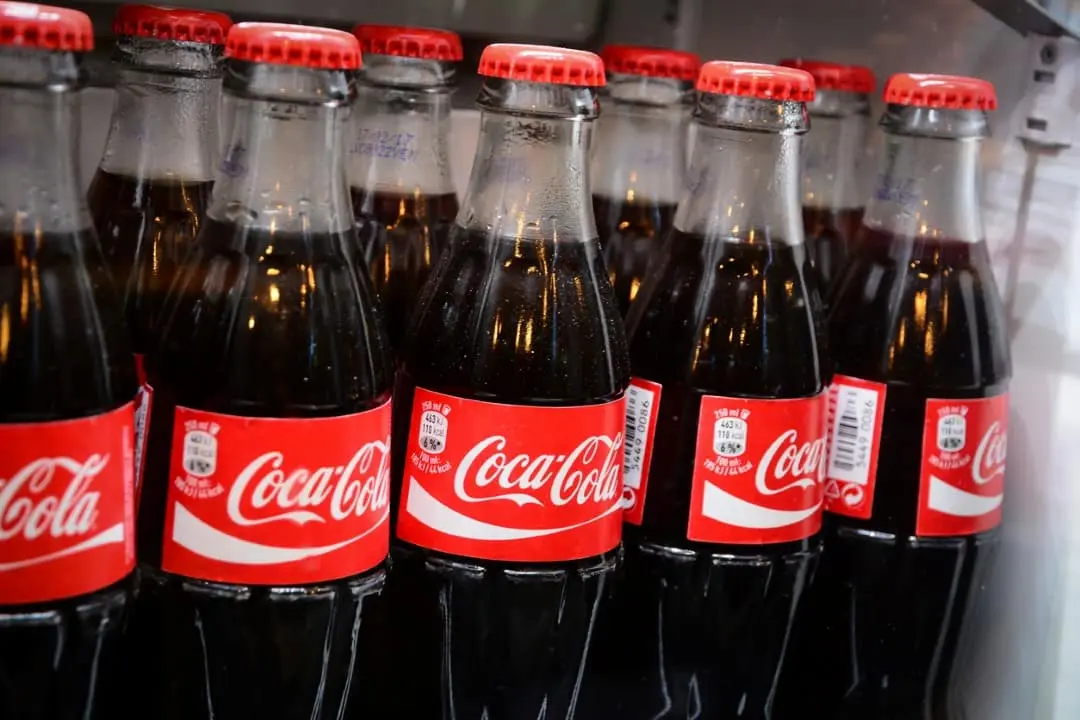
The American giant Coca-Cola began a transformation in its marketing strategy with the Brasil, gradually reducing the prominence of the conventional bottles that have accompanied generations of consumers. The change responds directly to new market demands and the population’s purchasing habits.
With families’ budgets becoming increasingly tight, the company decided to invest heavily in smaller, more accessible packaging. Essa new approach offers alternatives that encourage more frequent purchases for lower unit values, even if the cost per liter is proportionally higher.
Smaller Embalagens gain shelf space

The brand’s portfolio now includes more compact size options, creating greater flexibility for consumers who want to purchase only what they need for immediate consumption. Essa strategy perfectly suits those who prefer not to stock products at home or have space limitations.
Brazilian shelves are beginning to reflect this diversification. Varejistas report an increase in the variety of presentations, with prices varying depending on the volume chosen. The consumer now decides his purchase based on momentary need and budgetary capacity, no longer on the total size of the package available on the market.
Como the purchase decision has changed
Pequenas packaging practically democratized access to the product. A person who previously needed to spend R$15 on a large bottle can now buy a smaller unit for R$3 or R$4. Essa fragmentation of presentations allows more people, with different budgets, to find viable options.
- Embalagens 200 ml and 250 ml for individual consumption
- Garrafas 500 ml for consumption in one or two days
- 1 Liter Garrafas for Traditional Home Use
- Multipacks with different sizes for competitive price
The practical result is visible: purchases became more frequent and the average ticket per transaction decreased, but the total volume of transactions rose significantly.
Sustentabilidade as a pillar of transformation
Além economic and behavioral issues, Coca-Cola reinforced its environmental commitment in this process of change. Smaller Embalagens use less plastic or aluminum material per unit, reducing the overall environmental impact of production.
The company also invests in lighter manufacturing technology and reuse programs. Muitas of the new packaging has been redesigned to allow for reuse, aligning with growing pressures from consumers and regulators on corporate sustainability.
Leia Também

Where to watch South Africa vs Canada live at the 2026 FIFA World Cup

Saudi Aramco aircraft crash results in 14 deaths near oil terminal in Saudi Arabia

Portuguese newspaper criticizes Cristiano Ronaldo’s performance in Portugal’s draw; Diogo Costa is elected highlight
Essa transformation is not just commercial. Representa a positioning adjustment that recognizes three simultaneous realities: the financial difficulties of Brazilian families, the demand for practicality in everyday life and concern for the planet.
The impact on Brazilian retail
Lojistas small and large are already noticing the changes. Supermercados expand the number of planograms dedicated to beverages, creating entire shelves just for different sizes of Coca-Cola. Pequenos markets gain a competitive advantage by offering fractional options that customers previously purchased from large chains.
Logistics is also being reorganized. Distribuidoras need to manage more SKU units (different presentations), which complicates the chain, but allows greater penetration in smaller points of sale. Bairros peripheral areas and interior cities gain access to more varieties, whereas previously they only received standard sizes.
Fornecedores packaging companies, especially manufacturers of PET bottles and cans, are already experiencing increased demand. The multiplication of presentations requires more production lines and a greater diversity of molds, generating an economic impact on the entire supply chain.
What to expect from now on
The trend signals that global brands recognize the new reality of the Brazilian consumer: more discerning, more focused on the immediate, more sensitive to price. Outras beverage companies are likely to follow a similar path in the coming months.
Reducing the focus on traditional bottles does not mean their disappearance. Continuarão existing, but occupying less space in commercial strategies. The future is one of variety, practicality and budget flexibility — a scenario where the consumer, finally, buys exactly what fits into their pocket and their day.