São Paulo leads happiest cities in Latin America in new international ranking


São Paulo was recognized as the happiest city by América Latina, according to the recently launched Happy City Index 2026. The survey, which has an international scope, focuses on evaluating the quality of life and urban well-being in large centers around the world. The capital of Rio de Janeiro, Rio of Janeiro, failed to appear on the list.
The research considered a total of 251 cities, applying a detailed analysis based on 64 different indicators. Esses indicators were categorized into six areas fundamental to urban life: citizens, governance, environment, economy, health and mobility. The initiative offers a comprehensive view of the performance of each metropolis in these essential areas for its inhabitants.
Posição Global of São Paulo and Outras Cidades Brasileiras
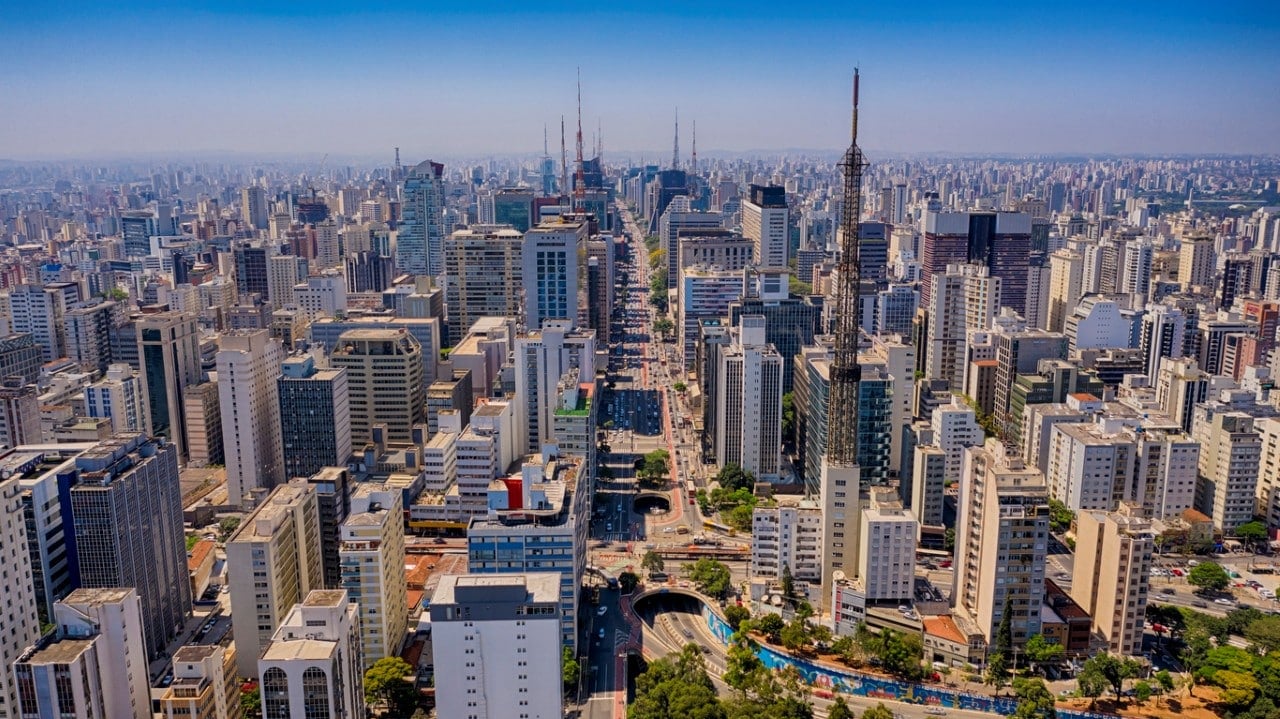
With an estimated population of almost 12 million inhabitants, São Paulo secured 161st position in the overall global ranking. Essa placement left it ahead of world-renowned metropolises. Cidades like Nova York, which was in 207th place, Pequim, in 211th, and Xangai, which appeared in 229th place, were below the capital of São Paulo. In the Brazilian scenario, in addition to São Paulo, two other cities were included in the index. Curitiba was ranked 197th, while Belo Horizonte came in 219th.
The absence of Rio from Janeiro in the ranking is notable, although it is not an isolated case. Outros large urban centers of international prominence also did not appear on the list. Cidade of México and Nova Delhi, for example, are among the metropolises that were not included in this year’s assessment. The index highlights the complexity and variation in quality of life and well-being criteria that shape the perception of happiness in different parts of the globe, reflecting the diversity of challenges and achievements faced by each location.
Metodologia Abrangente from Happy City Index
Those responsible for Happy City Index 2026 have developed a rigorous methodology to ensure the accuracy of their evaluations. The 64 indicators used in the analysis received varying weights, with their relevance ranging between 0.5% and 3% in the final score. Essa gradation allows more decisive criteria to have a proportionally greater impact on the outcome of each city, ensuring that crucial aspects of urban life are properly valued.
Entre the criteria considered most relevant, the study pointed out the existence of universities of global recognition, an important factor for intellectual development and innovation. The population’s life expectancy was also one of the pillars, reflecting health conditions and access to quality medical services. Outros points of high relevance included the quantity of green areas per inhabitant, an indicator of environmental quality and leisure spaces. Air pollution levels, access to quality higher education and the population’s electoral participation, signaling civic engagement and the quality of governance, completed the main criteria that influenced the final classification of the cities evaluated.
Cidades of Ouro: Liderança Europeia and Asiática
The group of so-called “golden cities”, which comprises the 50 best placed in Happy City Index 2026, is mostly made up of urban centers located in Europa and Ásia. Essas regions demonstrate a remarkable ability to integrate diverse elements that contribute to a high level of well-being for their inhabitants. The predominance of cities on these continents suggests a successful combination of developed infrastructure, effective public policies and a strong sense of community.
Copenhague, at Dinamarca, emerges as the absolute leader of the global ranking, being a model of governance and sustainability. Helsinque, in Finlândia, occupies second position, consolidating the Nordic countries’ reputation for offering a high quality of life. Outras cities like Genebra, in Suíça, and Tóquio, in Japão, also stand out. The creators of the study emphasize that the primary objective is not to choose a single “best city” in the world. Instead, we seek to highlight urban centers that manage to harmonize good governance with principles of sustainability, resilience in the face of challenges and, above all, an exemplary quality of life for their citizens.
Destaques from São Paulo to Outros Cenários Urbanos
São Paulo’s performance at Happy City Index 2026 is not an isolated event in his international recognition. The capital of São Paulo has been frequently cited in other global rankings and evaluations, demonstrating a multifaceted and dynamic facet. Recentemente, the metropolis was voted the 18th best city in the world in a previous survey, a reflection of its complexity and diversity of offers. The Barra Funda neighborhood, located in the city’s Centro, was even named as the third “coolest” on the planet, standing out for its cultural effervescence and modernity.
Além Furthermore, São Paulo’s nightlife had already received the title of best in the world in another specialized survey. Esses recognition reinforces the perception that, despite the challenges inherent to a large city, the capital of São Paulo offers a series of qualities that contribute to the satisfaction and well-being of its residents. The combination of its infrastructure, leisure opportunities and economic development contributes significantly to its global projection in different aspects.
As Vinte Cidades Mais Bem Colocadas on Happy City Index 2026
Happy City Index 2026 presents a diverse list of cities that stood out for their excellence in quality of life and urban well-being. The predominance of European and Asian cities in leadership reflects a pattern of development and governance that prioritizes sustainability and citizens’ happiness. The detailed list of the top twenty positions globally is as follows:
- Copenhague, Dinamarca
- Helsínquia, Finlândia
- Genebra, Suíça
- Uppsala, Suécia
- Tóquio, Japão
- Trondheim, Noruega
- Bern, Suíça
- Malmö, Suécia
- Munique, Alemanha
- Aarhus, Dinamarca
- Zurique, Suíça
- Barcelona, Espanha
- Espoo, Finlândia
- Oslo, Noruega
- Haia, Holanda
- Ballarat, Austrália
- Aalborg, Dinamarca
- Yokohama, Japão
- Lugano, Suíça
- Reiquiavique, Islândia
The absence of other América Latina cities among the prominent positions highlights the need for continuous investment and improvements. São Paulo, as the only representative of the region to be recognized as the happiest, takes a leading position. Isso can inspire other Latin American metropolises to improve their public policies and urban infrastructures, seeking to integrate the well-being indicators that have proven effective in cutting-edge cities. The analysis of these results can serve as a guide for urban development in the region.
Kiev: Um Símbolo of Respeito in Tempos of Adversidade
A special mention was made of the city of Kiev, capital of Ucrânia, which was positioned in 251st place, the last position in the ranking, but without formal scoring or comparison. Esta atypical inclusion, devoid of usual evaluative criteria, was a deliberate gesture by the organizers of Happy City Index. The main objective was to express respect and solidarity with the outstanding efforts of Ukrainian municipal authorities. Eles continue to operate and maintain the city in extraordinarily difficult circumstances, marked by the ongoing conflict.
Essa’s humanitarian approach highlights the sensitive and conscious nature of the survey, recognizing that not all urban realities can be measured by the same parameters. The mention of Kiev serves as a reminder of the global geopolitical context. Ela also highlights human resilience and the capacity for governance even in the face of extreme adversity. The index, therefore, goes beyond simple data analysis, incorporating a dimension of recognition and appreciation for the struggle of communities in situations of prolonged crisis.