Porsche sells fewer cars but earns more as 911 sales grow 12%

Porsche delivered 178,532 cars in the first nine months of 2026, a 16% drop from the 212,509 units sold in the same period of 2025. The 911 was the only model line that grew, rising 12% to 42,217 units.
The 911 accounted for almost one in four Porsche deliveries in the period. The company calls its approach ‘Value over Volume’, meaning it will sell fewer cars if each one brings more money into the business.
Where the 911 fits in the sales mix
Versions GTS, Turbo and GT made up a significant share of 911 sales. Matthias Becker, board member for sales and marketing, said the high share of these exclusive versions shows the appeal of the brand.
Average revenue per vehicle rose from €120,000 to €126,000. Vehicle sales fell 11.1%, but automotive revenue dropped less, by 7.1%. Porsche attributes the gap to price discipline and a more favorable mix.
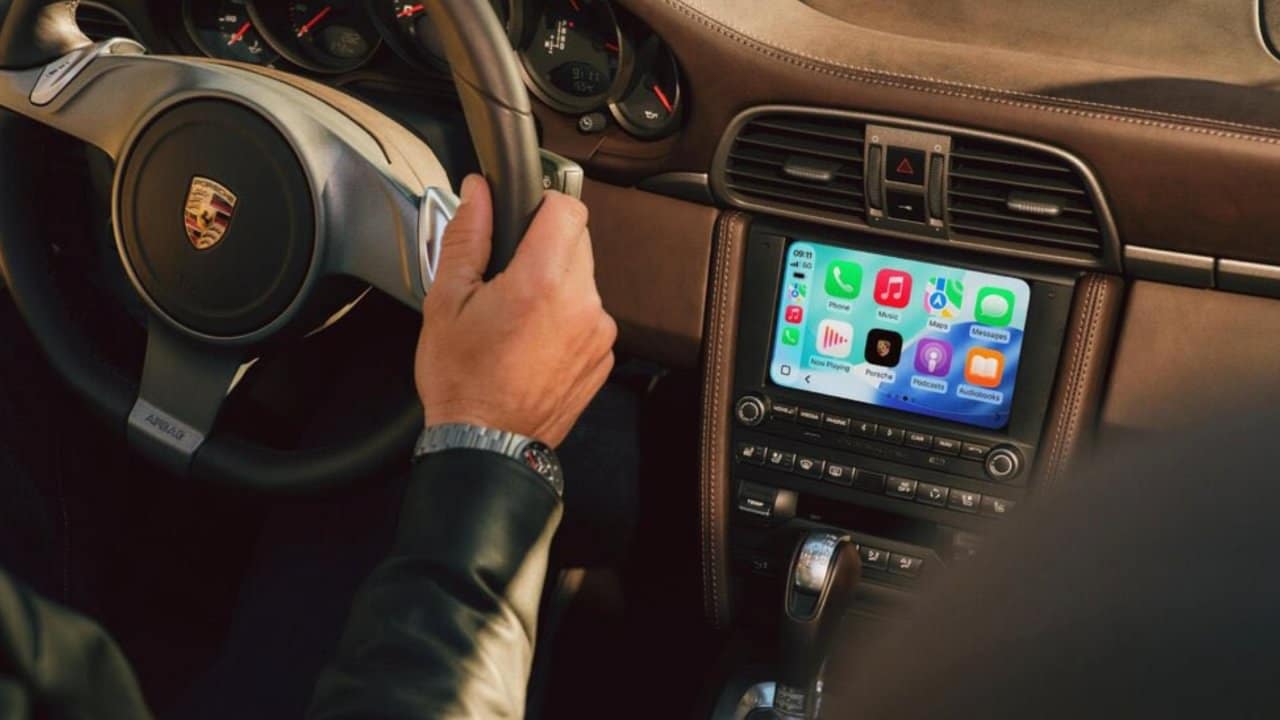
The 911 gained weight in the portfolio and is treated as one of the highest-margin products. Demand for top versions stayed strong across all lines, which supports prices and results even with lower total volume.
Profit, margin and deliveries by model
Operating profit reached €1.74 billion in the nine months, with an operating margin of 6.9%, against 0.2% a year earlier. Group revenue totaled €25.28 billion.
Strategic reorientation costs fell from €2.7 billion to about €500 million. The gap between the two periods is one of the main reasons the company’s profit improved despite lower sales.
- Cayenne: 59,586 units, the top seller
- Macan: 51,025 units
- Panamera: 13,714 units
- Taycan: 8,699 units, down 31%
The 911 sold more units than the electric Taycan and was the only line in growth. China recorded the largest regional decline, of 33%, while North America remains the largest market for the brand.
Outlook for 2026 and the next steps
Porsche reaffirmed its revenue forecast of €35 billion to €36 billion for the year, with an operating margin between 5.5% and 7.5%. The company says its focus is the core business, a competitive cost structure and sustainable profitability gains.
CEO Michael Leiters said the measures already taken create conditions for Porsche to become a stronger, more focused and more profitable company in the long term. The company says more personalization options and exclusive models should reduce the size of the group but increase profits.
The 911 remains the main support for this direction. The high share of GTS, Turbo and GT versions in the mix raises the average value and margin, offsetting the drop in total deliveries.
The first units of the electric Cayenne were delivered in summer 2026, and production of the combustion Macan ended in the same period. Porsche says it continues to balance supply and demand, with emphasis on higher-margin models.