Chery reveals seven-seater sports utility vehicle with modular cabin convertible into a pickup truck
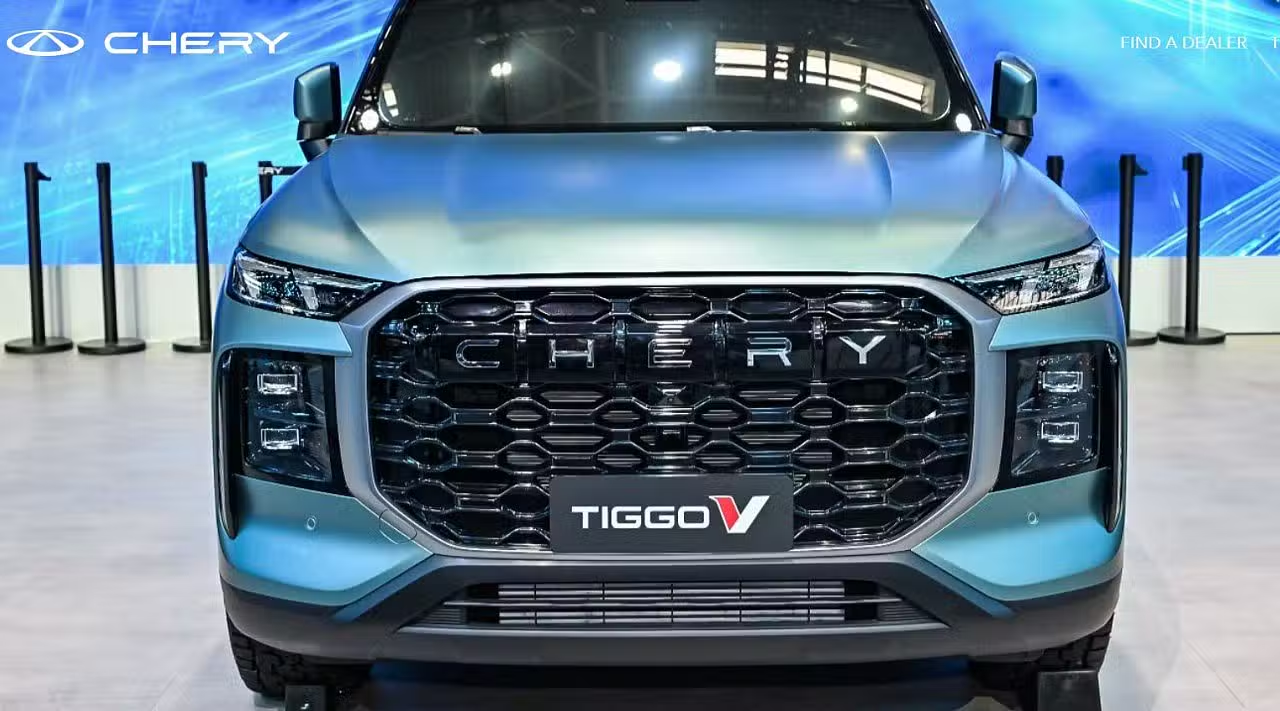
Asian manufacturer Chery presented the Tiggo V sports utility vehicle during the Auto China 2026 edition. The automotive event takes place in the city of Pequim. The new vehicle combines the structure of a seven-seater family model with an adaptable modular cabin. Essa architecture allows quick transformation of the rear compartment into a light cargo pickup.
The project uses a monoblock-type platform focused on versatility for daily use. Engenheiros from the brand developed the system to meet both passenger transport and urban utilitarian demands. The model offers six different configurations for organizing the internal space. The proposal attempts to unify two traditional segments of the automotive industry into a single commercial product, responding to the growing global demand for multifunctional vehicles in 2026.

Arquitetura internal and cabin configuration options
The main innovation of the project is concentrated in the rear section of the car. The seats in the rear rows have a structural removal and adaptation mechanism. The user can modify the passenger area to create a flat loading surface. The process does not require the use of complex tools or specialized technical assistance.
The modular system differs from conventional sports utility vehicles found on the current market. Most competitors only offer folding of the backrests onto the floor. The Chinese automaker’s solution physically removes the components to maximize useful volume, avoiding the loss of vertical space common in folded seats. Essa flexibility meets varied consumer profiles who need to switch between different routines.
The vehicle’s engineering established different arrangements for the rear compartment. Options cover everything from heavy family use to transporting bulky materials. The project manual provides for the following main provisions for daily use:
- Family Modo with total capacity for seven full occupants.
- Modo utility vehicle with bucket formation of approximately 600 liters.
- Configuração with movable partitions designed for long loads.
- Layout specific for transporting leisure and sports equipment.
- Opção with expanded luggage space for long-distance trips.
- Mixed Modo that preserves some seats next to the cargo area.
Occupant comfort directly depends on the structural dimensions of the chassis. The wheelbase measures exactly 2,800 millimeters in length. The internal height reaches 1,297 millimeters. Esses numbers facilitate access through the rear doors and improve the circulation of people in the last rows of seats, ensuring ergonomics on long journeys.
Capacidade rolling and traversing on uneven terrain
The utility features physical attributes aimed at mixed use between asphalt and dirt. The free height in relation to the ground measures 220 millimeters. The number exceeds the average recorded by most urban models currently sold. The lift protects the lower chassis components from impacts on unpaved roads and potholed roads.
The suspension received a specific calibration to balance the car’s dynamic behavior. The set absorbs irregularities in the road surface on rural roads. The system also ensures directional stability during travel on high-speed paved highways. The torsional rigidity of the monocoque was reinforced to support the extra weight when the vehicle operates in pickup mode. The front approach angle allows the driver to overcome slopes of up to 30 degrees.



The ability to cross flooded sections changes according to the type of engine chosen by the buyer. The version equipped with a hybrid system supports incursions into waters up to 700 millimeters deep. The exclusively combustion-powered variant reaches a limit of 650 millimeters. Technical data positions the automobile as a viable alternative for light adventure tourism and traffic in regions subject to seasonal flooding.
Eficiência consumption and available propulsion systems
The car catalog will feature two different mechanical options at dealerships. The plug-in hybrid version promises an average consumption of around 16.7 kilometers per liter of fuel. The index is equivalent to a consumption of 6.0 liters for every 100 kilometers driven. The traditional combustion configuration records an average of 12.8 kilometers per liter in factory measurements.
The manufacturer maintains secrecy about the exact combined power numbers of the engines. The executives only guarantee that the available torque will be enough to move the total weight of the loaded vehicle without difficulty. The electrified option must use the Super Hybrid line technology developed by the Asian company itself, focused on energy optimization.
The search for energy efficiency dominates the strategies of the global automotive industry. Governments demand increasingly lower levels of polluting gas emissions in large urban centers. The adoption of plug-in hybrid systems allows heavy vehicles to run in all-electric mode during short daily journeys, depending on recharging from external sockets. The combustion engine only comes into operation on long journeys or in situations where maximum power is required.
Posicionamento commercial and global expansion strategy
The launch takes on the role of a global product within the manufacturer’s portfolio. The model now occupies the highest position in the family, above the current Tiggo 9. The commercial strategy is aimed directly at large families and self-employed professionals who need an occasional cargo compartment without giving up superior finishing.
The focus on extreme modularity serves as a differentiation tool compared to traditional competitors. The original concept first appeared in a design study revealed to the public last year. The rapid transition from the prototype phase to the assembly line demonstrates the speed of development of Asian brands in the current scenario.
The presentation at the Pequim show reinforces the company’s aggressive search for new international markets. The Brazilian operation, led by Caoa Chery, has not yet confirmed the import or local production of the utility. Details about suggested prices, lists of standard equipment and availability in South American stores remain under analysis by the automaker’s regional directors.
See Also em Latest News (EN)

Palmeiras negotiates the signing of Nino with optimism and a ceiling of 15 million euros
01/05/2026
Take-Two releases results in May and raises expectations for third GTA 6 trailer
01/05/2026
Classic strategy returns to Steam with new Heroes of Might and Magic
01/05/2026
Netflix brings miniseries A Escad about true crime that shocked the US with Colin Firth
01/05/2026
Zverev defeats Blockx and advances to the Masters 1000 final against Sinner in Madrid
01/05/2026
X360 Mobile app runs classic Xbox 360 games on high-performance Android phones
01/05/2026
Oppo launches cell phone in Brazil with 7000 mAh battery and military resistance certification
01/05/2026
Ubisoft transfers Assassin’s Creed Hexe team and changes mechanics for release in 2027
01/05/2026
Assassin’s Creed Black Flag remake debuts on PlayStation 5 with advanced graphics in July
01/05/2026
Studio responsible for the Alien Isolation franchise publishes unprecedented video about the progress in the production of the new game
01/05/2026
New OPPO Pad Mini debuts on the market with 8.8-inch OLED screen and Snapdragon 8 Gen 5 chip
01/05/2026