Rover Curiosity unexpectedly discovers pure sulfur crystals on Mars
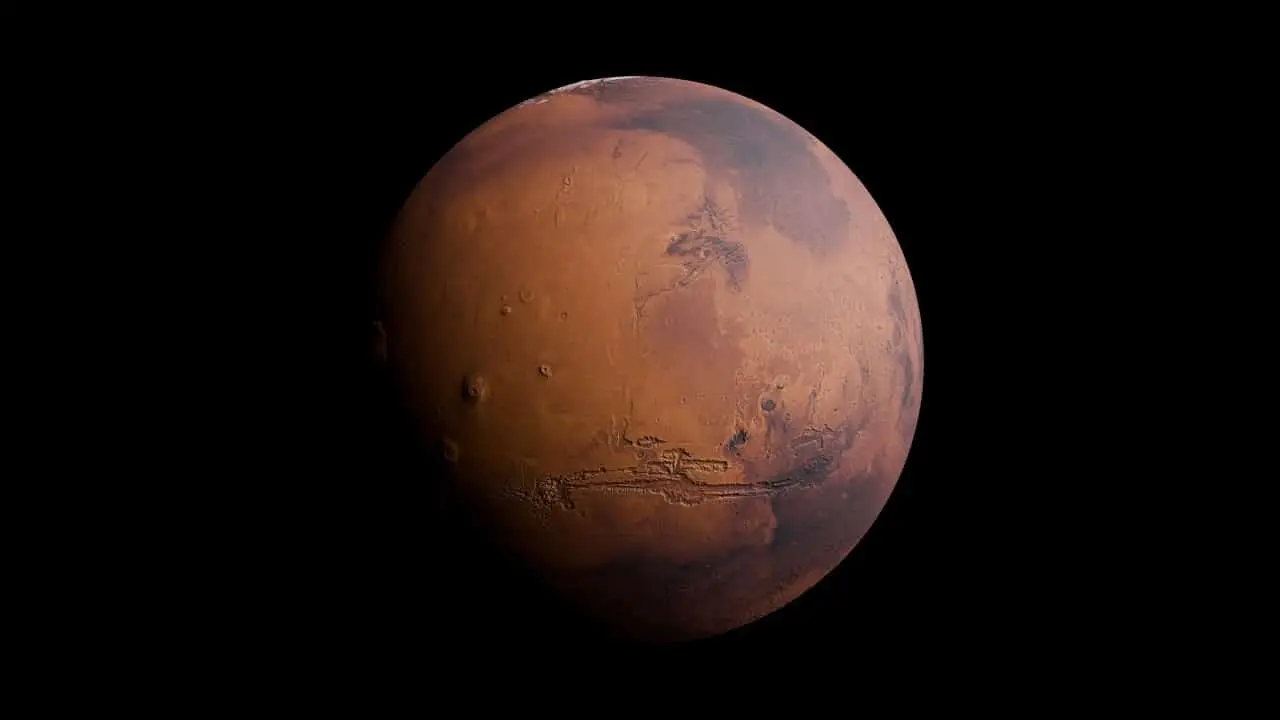
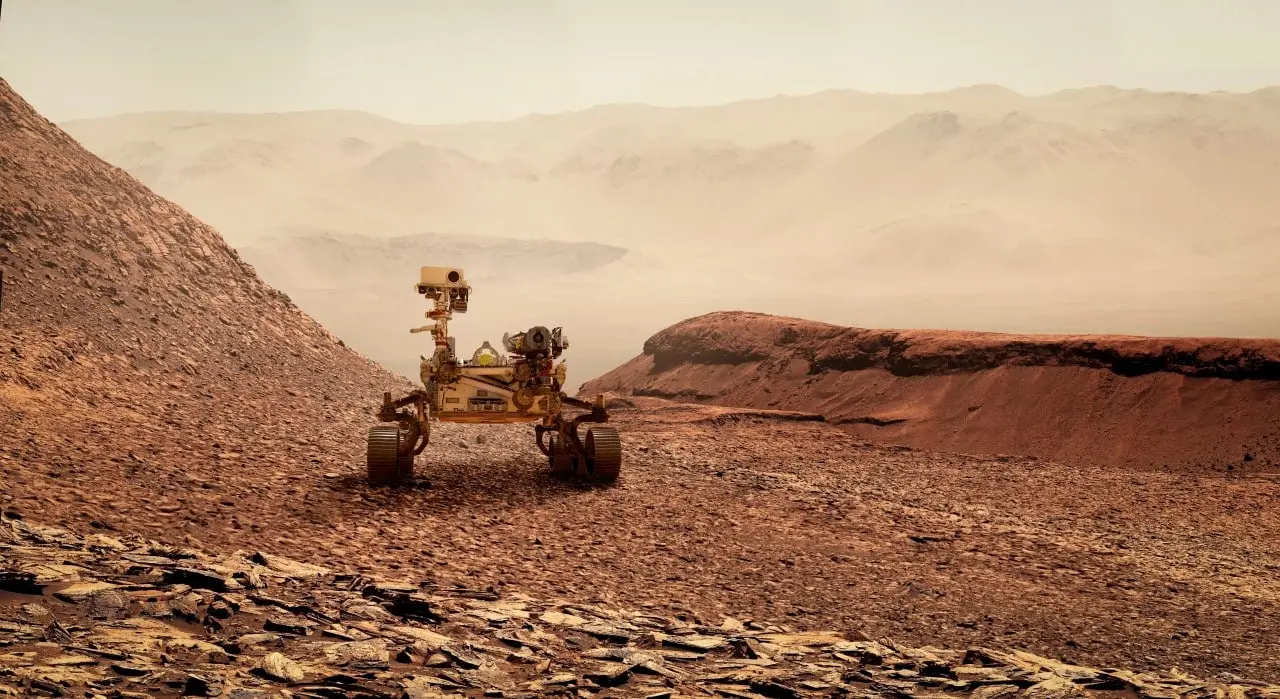
NASA’s Curiosity rover encountered a rock formation composed entirely of pure sulfur as it traversed the channel from Gediz Vallis into Marte. Pesquisadores who have been following the mission since its launch did not expect to witness such a scene in Planeta Vermelho. The accident occurred when the one-ton rover fractured rocks as it walked across the reddish Martian surface, revealing internal crystalline structures that defy conventional explanations of the planet’s geological composition.
The discovery marks a rare moment in the exploration of Marte. Cientistas specialized in planetary analysis claim to have never seen anything similar in previous data collected by probes. The sulfur previously found in Marte was always embedded in complex minerals within rocks. Encontrá it in pure crystalline form represents a geological puzzle that demands immediate investigation.
Pure Enxofre as ancient life marker
The presence of crystalline sulfur offers new clues about the biological potential of ancient Marte. Pesquisas terrestrials indicate that sulfur played a fundamental role in the origin of life on Terra more than four billion years ago. Naquela time, our planet’s atmosphere was rich in carbon and sulfur, conditions that facilitated complex chemical reactions. Encontrar pure sulfur in Marte strengthens the hypothesis that the Martian environment could also have supported life in its remote past.
Ashwin Vasavada, chief scientist of the Curiosity project, described the find in terms that reflect the uniqueness of the moment:
- Encontrar a field of stones composed of pure sulfur is like finding an oasis in the desert
- Não should be there, so now we have to explain
- Descobrir Strange and unexpected things are what make planetary exploration so exciting
Vasavada added that in his entire career studying Planeta Vermelho, this is the strangest and most unexpected discovery of the entire Curiosity mission.
Rochas fractures reveal geological secrets
The rover’s accidental impact on the Martian surface acted as a natural investigative tool. Quando a one-ton object moves over dust and fragile rocks, leaves permanent marks and often displaces loose material. Neste case in point, the concentrated weight of Curiosity caused fractures that exposed the interior of the rocks, allowing onboard optical instruments to document the previously hidden internal structure.
The researchers immediately took the opportunity to analyze the composition of the exposed crystals. Espectrômetros attached to the rover carried out detailed measurements that confirmed the identity of the material: elemental sulfur in a crystalline state. Tal configuration requires very specific geological conditions to form. The explanation of how pure sulfur crystallized in Marte remains open, motivating new lines of investigation that NASA scientists are already developing.
Leia Também

The absence of Neymar’s wedding ring in a New York club stirs social media during the Brazilian team’s break

Parachuting plane crash leaves eleven dead in northeastern France this Sunday

Financial analysis indicates that GTA 6 generated US$1 billion in the first hour of pre-sales
Evidências of liquid water in the Martian past
The discovery of pure sulfur provides yet another element in the growing evidence that liquid water flowed through Marte at some time in its geological history. Pesquisadores had previously detected indicators of ancient rivers, mineral deposits that form in the presence of water, and rocks that show signs of water erosion. Agora, pure sulfur adds to this picture as an additional indicator of geochemical processes that required an aqueous environment to occur.
The scientific implications extend beyond the simple finding that water once existed there. Ambientes where sulfur crystallizes often exhibit variations in pH and temperature that could have supported primitive microorganisms. Ainda Although no direct proof of Martian life has been found, each new piece of evidence of favorable conditions strengthens the argument that Marte was a potentially habitable world during its ancient past.
Continuidade from mission Curiosity
The Curiosity rover has continued its exploratory journey in Marte since its landing in 2012. After a decade of operating in extreme conditions, the vehicle continues to collect relevant data that transforms scientific understanding of the planet. Sophisticated onboard Equipamentos enables chemical and mineralogical analyzes that complement orbital observations carried out by satellites.
The discovery of sulfur crystals reinforces the importance of maintaining long missions on Marte. Unexpected Fenômenoss like this can only be detected through the continued presence of instruments capable of responding quickly to new evidence. Data collected over the next few months will add geological context that will help explain how and when these crystals formed.