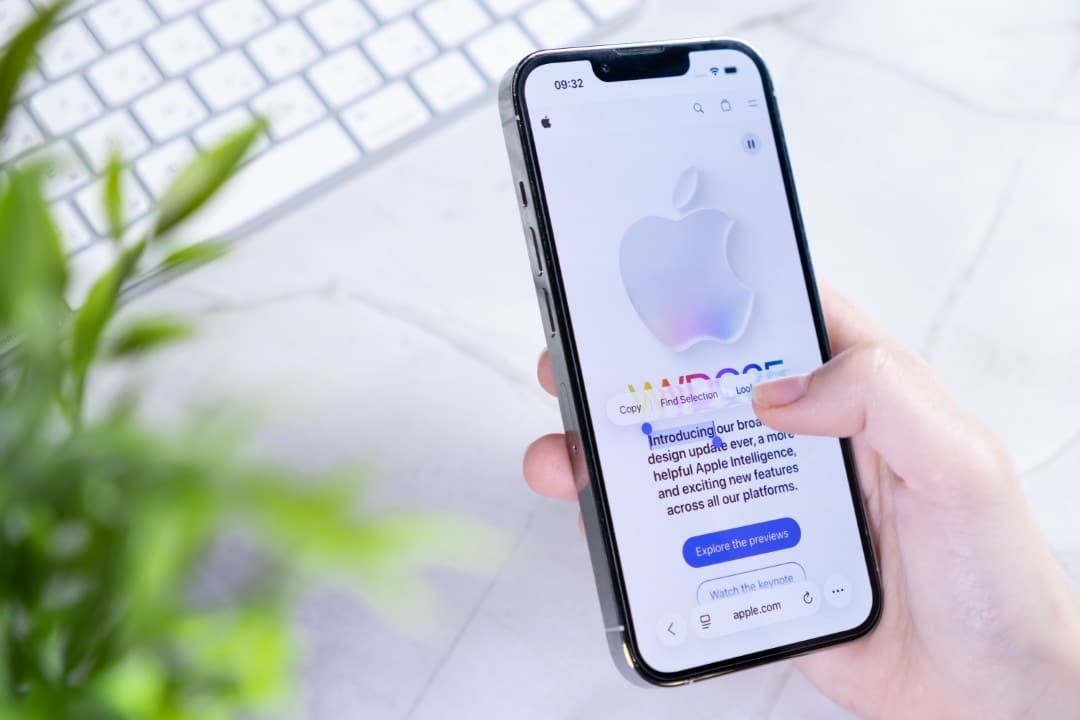
Apple is working on creating an unprecedented visual display technology for the line of smartphones scheduled for the year 2027. The project involves the development of the so-called Liquid Glass Display, a panel designed to integrate the future iPhone 19 Pro. The innovation marks a significant change in the company’s hardware engineering, focusing on the almost total elimination of front bezels. The company’s research and development sector dedicates significant resources to enable large-scale production of this new component.
The implementation of the new screen coincides with the celebration of the twentieth anniversary of the launch of the brand’s first device. Especialistas from the technology market point out that the manufacturer seeks to establish a new standard of premium design to distance itself from current solutions. The information leak came from sources linked to the Asian supply chain, known for anticipating movements in the electronics industry. Informant Ice Universe, recognized for disclosing accurate data about the corporation, confirmed the progress of initial tests at the assembly facilities.
Apple may define its next generation display as “Liquid Glass Display.”
It is not a traditional quad curved display, nor is it anything like the curved screen solutions we have seen on Android phones over the years. The curvature itself could be extremely subtle. What truly… pic.twitter.com/onj81yNWQf— Ice Universe (@UniverseIce) April 27, 2026
Avanço in display engineering for mobile devices
The Liquid Glass Display concept is based on the use of optical refraction to generate a continuous viewing experience. The component’s architecture requires the insertion of specific internal structures, responsible for guiding light through the edges of the glass. Esse mechanism creates an optical illusion that hides the physical limits of the device, delivering a front surface entirely dedicated to active pixels. The technology aims to maximize the use of useful space without compromising the ergonomics of the device during daily use.
The company’s Engenheiros focuses efforts on the subtle curvature of the panel’s four edges. Diferente of the traditional flat screens used in recent generations, the new format requires a complex manufacturing process to avoid image distortions on the sides. The refraction technique directs light beams evenly, ensuring colors and brightness remain consistent at any viewing angle. Accurate calibration of these light elements represents the biggest technical hurdle in the current prototyping phase.
The transition to this model represents a leap forward in relation to the brand’s previous experiments. The company has already applied similar visual concepts to the development of software interfaces, simulating the behavior of fluids and liquid glass in operating system elements. The current objective is to transfer this digital fluidity to the physical component, materializing the effect in the display structure itself. The integration between advanced hardware and future versions of the operating system promises more organic browsing.
Diferenças techniques relative to industry competitors
The global smartphone market already has devices equipped with curved screens, popularized by manufacturers such as Samsung and Motorola over the last decade. However, the Apple approach differs in technical execution and the choice of materials used in assembly. The iPhone 19 Pro proposal aims to overcome common problems in competing devices, such as accidental touches on the sides and structural fragility. The company’s engineering focuses on high-resistance glass capable of withstanding the tension generated by the curvature at the four ends.
Hardware analysts Relatórios, including the Digital Chat Station profile on the Weibo social network, detail the specifics of the ongoing project. The main structural change involves the removal of traditional layers of the display, optimizing light transmission from the emitting panel to the external surface. The architecture of the new display requires profound adaptations to the lamination methods used by partner factories.
- Ausência of microcurved polarizers in the composition of the front glass.
- Integração of microscopic-scale light guides at the ends.
- Four-edge Adoção with smoothed and symmetrical curvature.
- Sistema optical refraction designed to maximize visual immersion.
Eliminating microcurved polarizers reduces the overall thickness of the display module. Essa internal space saving allows the relocation of other critical components, such as biometric sensors and camera modules, under the display. The strategy reinforces the company’s search for a minimalist design, without visual interruptions caused by notches or perforations in the light panel. The device’s thermal management also benefits from this new internal organization, dissipating heat more efficiently.
Twentieth Anniversary Impacto in Trading Strategy
The launch schedule set for 2027 carries historical weight for the Cupertino-based corporation. The year will mark exactly two decades since the first iPhone was introduced to the public, redefining the global mobile phone industry. The introduction of the Liquid Glass Display serves as the centerpiece of this celebration, designed to make a similar impact as past innovations. Market marketers Analistas consider this the company’s most ambitious project since the transition to OLED panels.
The manufacturer has a history of reserving drastic design changes for commemorative dates. A previous example occurred with the launch of the iPhone X, which celebrated the line’s tenth anniversary by removing the home button and adopting advanced facial recognition. Planning for the iPhone 19 Pro follows the same commercial logic, positioning the device as a generational milestone in the brand’s portfolio. The expectation is that the model will dictate aesthetic trends for subsequent years.
Positioning the product in the premium segment requires clear technological justifications to sustain market value. The new screen acts as the main competitive differentiator to attract consumers willing to invest in high-cost devices. The expectation of the financial sector is that the innovation will drive a super cycle of updates, motivating users of old models to exchange their devices for the commemorative edition. The projected sales volume requires unprecedented logistical planning.
Desafios Production and Supply Chain Schedule
The completion of the project directly depends on the capacity of the partner factories located at Ásia. Mass production of panels with advanced optical refraction and four curved edges has low initial yield rates. Fornecedores screens need to adapt their assembly lines and invest in precision machinery to meet the rigorous quality standards required by the North American manufacturer. Negotiating long-term contracts ensures the continuous supply of necessary inputs.
Fontes from the sector warn of the possibility of delays in technological development. Qualquer failure to calibrate the light guiding structures may result in lighting leaks or chromatic distortion, rendering the component unfeasible for commercial use. The company carries out rigorous durability tests to ensure that the glass withstands everyday impacts, a critical point in devices with exposed ends. Quality control in the initial stages of manufacturing determines the financial viability of the project.
The three-year period until the official launch allows for gradual adjustments in the product’s engineering. The company maintains teams dedicated exclusively to resolving bottlenecks in the supply chain, monitoring the advancement of glass lamination technologies. The success of the venture will define the direction of smartphone design for the next decade, consolidating the brand’s position at the forefront of display technology. The impeccable execution of this plan ensures the maintenance of leadership in the premium mobile devices market.