Apple plans to launch iPhone 18 Pro with transparent chassis and 5,200 mAh battery on the market
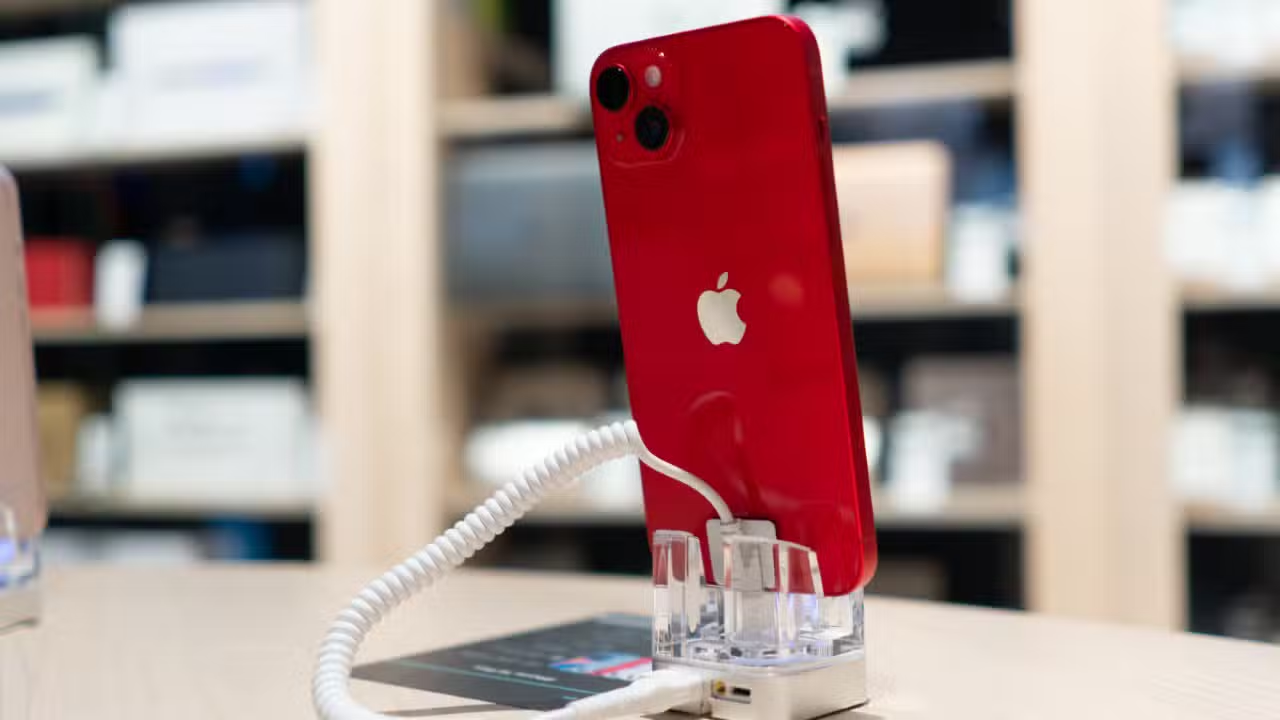
Apple advances the development of the iPhone 18 Pro with a design proposal based on a fully transparent chassis. The engineering project includes the integration of a battery with an increased capacity of 5,200 mAh. The initiative represents a drastic change in the company’s visual language, requiring experts to work on adapting internal components for public display. The model seeks to innovate. The manufacturer is trying to differentiate the brand in the competitive high-end mobile phone sector.
The decision revives visual elements adopted by the company in the 1990s with the line of colored computers. The current concept requires profound revisions to the motherboard architecture and the device’s thermal management. Analistas from the technology sector observe the movement with increased attention. The aesthetic change demands new manufacturing and assembly processes in Asian production lines. The launch aims to attract consumers interested in hardware innovation and unique industrial design.
Retorno from translucent aesthetics to devices
The adoption of transparent materials refers to the classic iMac G3. The computer revolutionized the electronics market by abandoning traditional beige cabinets in favor of colored plastics that showed off the inside of the machine. Apple is now trying to apply this same philosophy to its main commercial product. The miniaturization of current components makes the process considerably more complex. The back glass of your smartphone needs to receive specific chemical treatments to avoid deep scratches and fingerprints during daily use.
Contemporary industrial design prioritizes opaque, matte and metallic surfaces. Breaking this paradigm requires the development of new glass alloys and high-strength polymers. Fornecedores of parts are already testing prototype casings with different levels of opacity in factories. Total transparency exposes the internal organization of the device in a raw way. The company needs to ensure that the arrangement of chips and cables presents a visual symmetry that is pleasing to the end consumer.
The design team works closely with hardware engineers to align aesthetics and functionality. Cada screw and internal connector undergoes a thorough redesign process. The color of the printed circuit boards also changes to match the phone’s translucent proposal. The use of premium materials maintains the device’s positioning in the high-cost category. The visual strategy works as a direct selling point in retail stores.
Engineering Desafios in component hiding
Building a transparent smartphone poses severe technical hurdles for assembly lines. The inside of a traditional cell phone contains adhesive tapes, thermal pastes and metal shields without any visual appeal. Apple needs to develop customized coverage for these sensitive areas. Dissipating heat generated by the processor requires innovative thermal engineering solutions. Clear glass has different insulation properties than the aluminum or titanium used in previous generations.
The rear camera module represents another critical point in the development of the project. Photo sensors take up significant space and have complex wiring that connects the lenses to the main board. The visual integration of these parts with the rest of the transparent chassis demands millimeter precision from the assembly robots. The wireless charging system also needs to be adapted to the new format. The rear copper coil has a special finish to enhance the device’s aesthetics without looking like an unfinished piece.
Protection against water and dust remains a priority in the phone’s structure. Sealing a transparent glass chassis requires glues and resins that are invisible to the naked eye so as not to compromise the appearance. The quality control process in factories receives software updates to detect microscopic gluing flaws. The durability of the material against drops and impacts undergoes rigorous tests in resistance laboratories. The production cost increases substantially due to the complexity of these manufacturing steps.



Capacidade energetic reaches new level
The inclusion of a 5,200 mAh battery marks a significant advance in the autonomy of the mobile device. The component occupies most of the internal space of the modern smartphone. The power cell receives a customized casing to suit the transparent design without exposing technical approval texts. Lithium-ion technology undergoes chemical optimizations to increase energy density. The physical size of the battery requires intelligent use of the remaining space in the housing.
Increased capacity meets demands for advanced processing and high refresh rate displays. Power management via the operating system works in conjunction with the new hardware to maximize screen-on time. The internal architecture of the device presents the following technical characteristics during assembly:
- Otimização of internal space to accommodate the power cell without increasing the overall thickness of the phone.
- Implementação of passive cooling systems integrated into the translucent rear glass design.
- Desenvolvimento of an aesthetic battery housing that hides the printed industrial specifications.
Extended autonomy changes the daily use pattern of the most demanding consumers. Fast charging receives updates to power protocols to fill full capacity in less time spent at the socket. Long-term battery life remains under constant review by development engineers. The balance between the weight of the component and the ergonomics of the device guides final design decisions. The energy efficiency of the processor complements the physical hardware installed.
Movimentação from the mobile phone industry
The global smartphone industry monitors the North American manufacturer’s steps cautiously. Samsung and other direct competitors evaluate the technical feasibility of similar projects in their laboratories. The corporate market anticipates a possible trend towards translucent designs in the coming years. The supply chain adjusts its production lines to meet this new demand for aesthetic components. The competition for visual innovations is gaining strength among major technology brands.
Market history shows that Apple’s design decisions often influence other companies in the industry. The introduction of the transparent chassis could generate a wave of similar launches in the following months. Fabricantes of accessories and protective covers are also preparing adaptations to their product portfolios. The end consumer gains new customization and style options at the time of purchase. The commercial impact of the change will be measured by financial reports following the official launch.
The project remains in the internal testing and hardware component validation phases. The transition from an engineering concept to a large-scale commercial product involves multiple suppliers spread across different countries. Production stability defines the final availability schedule in physical and virtual stores. The sector awaits communications from the company on the development of the device. The strategy focuses on technological and visual differentiation.
See Also em Latest News (EN)

Physical exercise strengthens memory and reasoning, research shows
04/05/2026
Valve confirms development of Steam Deck 2 with focus on global availability
04/05/2026
Champions League final without Brazilians is a real risk if Atlético and Bayern win knockout stages
04/05/2026
Third victim of plane crash that crashed into building in BH dies
04/05/2026
Netflix sets “O Sobrinho do Mago” to premiere in February 2027
04/05/2026
Retailer reduces the value of the MacBook Air M4 with 16GB to the lowest historical level in the digital market
04/05/2026
PlayStation 5 owners redeem three high-budget games at no cost in the digital store
04/05/2026
Rockstar Games’ commercial strategy releases Grand Theft Auto V for free in the main digital stores
04/05/2026
Japanese corporation changes schedule and guarantees title on PlayStation Plus for May 2026
04/05/2026
Nintendo reveals Switch successor with eight-inch LCD screen and remake of Zelda Ocarina of Time
04/05/2026
Nintendo confirms launch of nine games for Switch and new console during May
04/05/2026