PlayStation 3 system hid native support for USB printers forgotten by the public
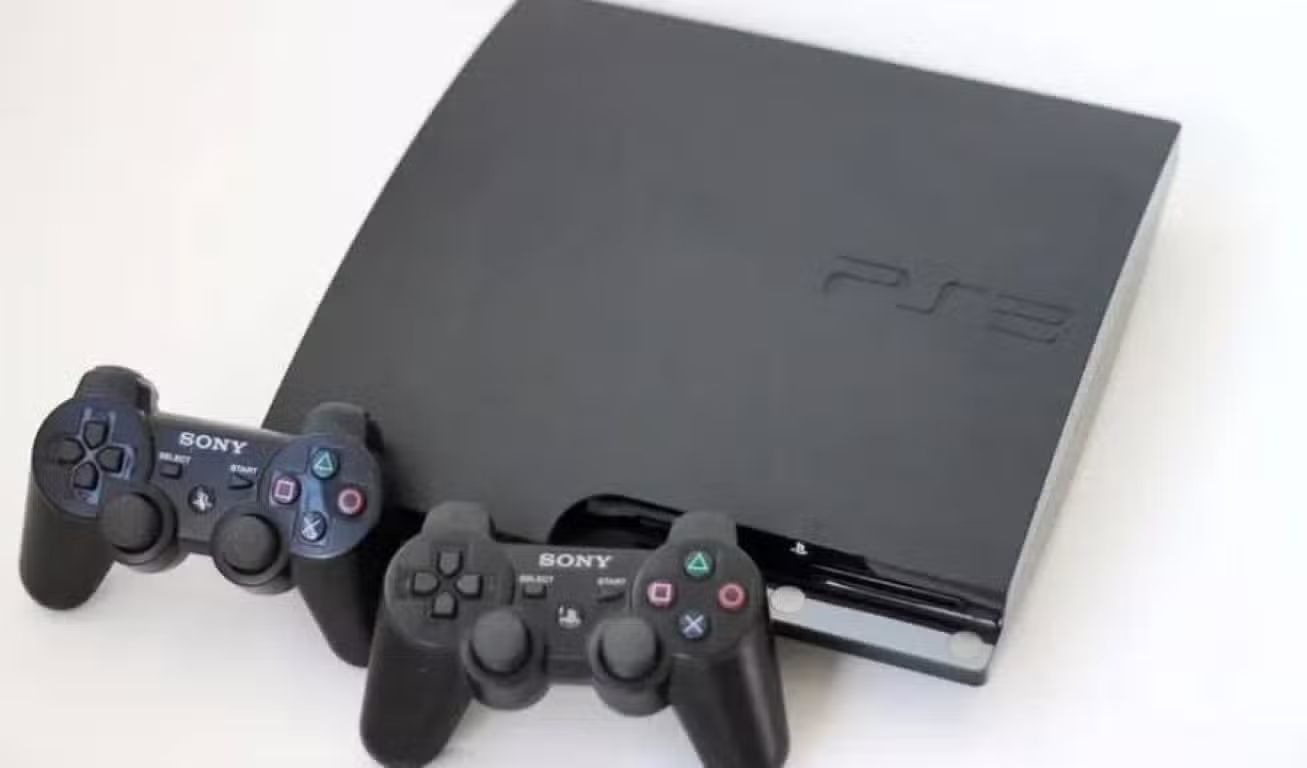
The graphical interface of one of the most popular consoles of the 2000s held a technical secret far from the world of digital entertainment. Entre configuration options, owners had access to a menu dedicated to managing physical documents. Functionality remained intact throughout the product’s lifecycle.
The PlayStation 3, launched by Sony in 2006, had native support for operating printers via USB ports. The manufacturer integrated the feature into the operating system since the first updates. Most consumers have never used the tool. Manuais’s instruction and advertising campaigns omitted the video game’s technical capabilities.
Sony’s ambitious vision for the living room
The development of hardware reflected an aggressive corporate strategy to dominate the domestic space at the beginning of the century. Engineers designed the equipment to function like a true high-performance personal computer. The Cell Broadband Engine processor delivered a calculation capacity superior to conventional desktop computers of that period. The company planned to centralize all family activities on a single device connected to the television.
Essa approach justified the inclusion of tools aimed at daily productivity. Support for peripherals represented a step towards media convergence. The manufacturer believed that users would abandon traditional cases in favor of a robust multimedia center.
The brand’s executives publicly defended that the device transcended the category of a mere electronic game player. The internal architecture allowed the installation of alternative operating systems based on Linux through the OtherOS function. Esse open software environment made it easy to use text editors and spreadsheets directly on the room screen. Printing files became a logical necessity within this planned production ecosystem.
Como worked with integration into the XMB system
The equipment was configured using the Xross Media Bar interface, popularly known by the acronym XMB. The user needed to navigate to the accessory device settings tab to find the specific menu. Connection only required a standard cable plugged into one of the console’s front ports. The system recognized the external hardware within a few seconds after physical pairing.
The control panel offered advanced options similar to traditional computer operating systems. Owners could manage different aspects of the document before sending the final order to the machine. The interface had the following technical characteristics:
- Simultaneous Suporte for multiple printers connected to available ports.
- Ajuste detailed ink quality between draft, normal and high definition.
- Gerenciamento complete list of paper sizes supported by the machine’s tray.
- Histórico integrated all documents processed and sent to the queue.
- Native Compatibilidade with drivers from the main peripheral manufacturers on the market.
Navigating the menus required the use of the DualShock 3 wireless controller or a compatible keyboard. The absence of a mouse made it difficult to quickly select files stored on the internal hard drive. The internal software processed the information and sent the data packets without compromising the performance of other background tasks. The console maintained stability even during heavy image printing.
Falta of practical use in games and applications
The main barrier to adopting the feature involved the total absence of compatible software on the platform. Nenhum development studio has implemented the printing function in its commercial titles. Players were unable to transfer screenshots, game maps, or match statistics to paper. The tool existed in a vacuum of usefulness within the entertainment environment.
The media applications available in the online store also ignored the technical capabilities of the hardware. Serviços of streaming video, music players and internet browsers blocked physical data extraction. The lack of practical use cases turned innovation into dead weight in the system code. Third-party Desenvolvedoras preferred to focus engineering resources on graphical optimization of games.



The competitive scenario at the time highlighted the isolation of Japanese strategy. Microsoft’s Xbox 360 and Nintendo Wii focused strictly on delivering interactive experiences and digital media consumption. Rival companies haven’t invested time or money in supporting office peripherals. The PlayStation 3 remained the only representative of the seventh generation of consoles to offer this specific functionality to consumers.
The end of support for alternative operating systems
The theoretical usefulness of printing took a definitive hit in 2010 with a mandatory security update. Sony has officially removed support for the OtherOS feature from all older models of the console. The corporate decision aimed to combat piracy and close security holes in the main system. Users lost access to the Linux environment that justified the use of productivity tools.
The blocking of the alternative operating system has led to lawsuits in the enthusiast community. Pesquisadores used the hardware for complex calculations and academic data processing. Removing the functionality turned the device into a traditional closed system. The ability to print documents has lost its logical justification within architecture.
From that moment on, the printer menu remained in the system as just a remnant of legacy code. The manufacturer chose not to remove the graphical interface to avoid instabilities in the XMB’s base programming. The new Slim models arrived in stores with the feature still present in the configurations.
The legacy of hardware focused on pure entertainment
The PlayStation 3 experience fundamentally altered the design philosophy of the company’s gaming division. Engineers have learned that integrating functionality without real demand results in financial waste and unnecessary complexity. The attempt to transform the video game into a personal computer failed in the face of the clear preferences of the consuming public. People bought the equipment exclusively to play games and watch movies in high definition.
The launch of the PlayStation 4 in 2013 demonstrated a course correction in corporate strategy. The new machine abandoned productivity claims and focused on ease of game development. The interface eliminated complex menus and non-entertainment features. Printer support is gone from the new system.
Hoje, the hidden functionality of the 2006 model survives only as a historical curiosity of the technology industry. Old hardware Colecionadores and digital media preservers document the feature on specialized forums. The unsuccessful attempt to unite the office with the living room illustrates the excessive ambitions of the early high definition era. The current console market maintains a strict separation between work platforms and devices dedicated to electronic leisure.
See Also em Latest News (EN)

US$7.8 million lawsuit penalizes Sony for restricting sales on PlayStation Store
04/05/2026
Xiaomi Poco F7 512 GB device records unprecedented price drop and reaches historic value in e-commerce
04/05/2026
Latest Lotomania 2919 result shows accumulation in the contest with the next prize of R$ R$ 2 million
04/05/2026
Hubble space observatory records rare planet-forming structure in the Orion Nebula
04/05/2026
Apple system update transforms virtual assistant into interactive conversation format
04/05/2026
Defect in the hinge of the new MacBook Pro M5 generates sparks and renders the device unusable in 48 hours
04/05/2026
Review of the second Super Mario Galaxy film praises graphic quality and questions the depth of the plot
04/05/2026
New product line from the Final Fantasy XIV global event hits the official market in 2026
04/05/2026
Valve launches modular controller with durable analog sticks to optimize computer games in the living room
04/05/2026
Solar flares of extreme intensity reach Earth within a short interval and cause radio blackouts
04/05/2026
Nuka Girl mascot from the Fallout franchise gains official collectible figure for the global market
04/05/2026