Hantavirus outbreak on Atlantic Ocean cruise leaves three dead, passengers isolated
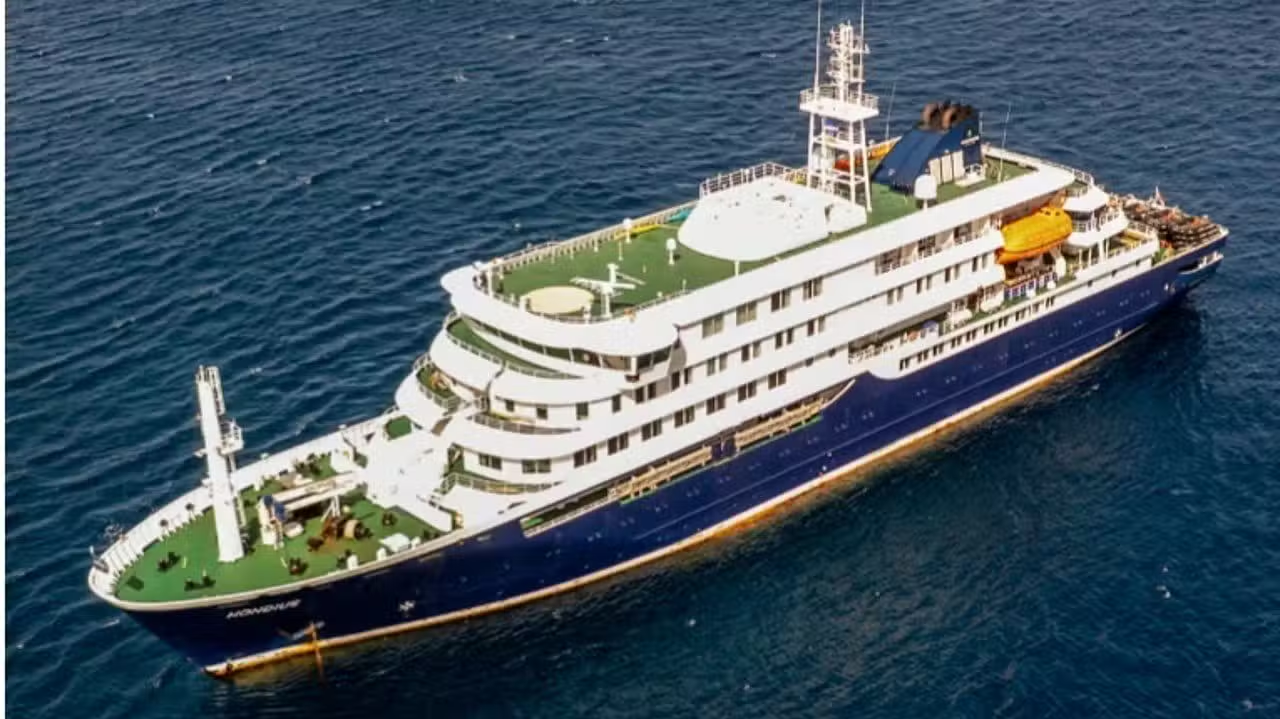
A suspected hantavirus outbreak aboard the MV cruise ship Hondius resulted in the deaths of three passengers during a crossing on the Oceano Atlântico. Organização Mundial of Saúde confirmed a case of the infection on Sunday, May 3, 2026. Outros five passengers are showing symptoms and remain under strict medical investigation. The vessel was traveling from Argentina to Cabo Verde at the time of the first health notifications. A 69-year-old British national required urgent transfer to an intensive care unit at África from Sul. The distance from the coast made rescue difficult.
Identificação of victims and medical rescue logistics
International health authorities issued immediate alerts after confirming the infectious condition on the ship. Três of the six people affected by the disease did not survive severe respiratory complications. A couple of Dutch origin, aged 70 and 69, are among the fatal victims of the outbreak. The 70-year-old man was the first to develop severe symptoms of the viral infection. Ele passed away while still on board the tourist vessel. The passenger’s body remains on the island of Santa Helena, a British overseas territory located in Atlântico Sul. Repatriation requires specific health protocols.
The first patient’s wife also fell ill while sailing on the ocean. The ship’s medical team coordinated the evacuation of the 69-year-old woman to a hospital complex in Joanesburgo, in África of Sul. Ela passed away shortly after admission to the high complexity medical unit. The third fatal victim remained on the cruise until Sunday night. The 69-year-old British passenger followed the same air evacuation protocol for Joanesburgo. Ele is currently receiving intensive treatment. South African Saúde Ministério classified the initial situation as a severe acute respiratory illness. Spokesperson Foster Mohale confirmed the hospitalized patient’s positive hantavirus test.
The high seas rescue operation presents considerable logistical challenges for emergency teams. Rescue Helicópteros have limited flight range to reach ships very far from the coast. Coordination requires the vessel to change course to get closer to the range of medical aircraft. Response time directly affects the chances of survival in cases of rapid respiratory failure. Expedition ship medical facilities only provide basic life support. Critical Casos requires advanced ventilatory support available only in land hospitals.
Coordenação international and vessel monitoring
Saúde’s Organização Mundial assumed coordination of efforts between national health agencies and the cruise operator. The main focus of the operation involves facilitating safe medical rescues for passengers with severe symptoms. Especialistas discuss isolating two other sick travelers in Cabo Verde’s hospitals. Logistical planning requires approval from local health surveillance authorities. The MV Hondius must travel to the Ilhas Canárias, on the Espanha, after completing this medical screening stage. The Regulamento Sanitário Internacional guides port actions.
Ministério of Relações Exteriores of Reino Unido monitors reports about the health emergency on the passenger ship. The government body reported its readiness to provide consular support to British citizens affected by the crisis. The agency maintains direct communication with the company responsible for the cruise and with the regional governments involved. The objective of diplomatic cooperation focuses on ensuring adequate medical assistance and safe repatriation. Managing public health crises in international waters demands rapid responses from multiple countries simultaneously. Barreiras bureaucratic problems need immediate overcoming.
Polar ship Perfil and planned itinerary details
The MV Hondius specifically operates as an advanced class polar cruise ship. Agências tourism classify the vessel as specialized in expeditions to remote regions and extreme climates. The internal structure supports long voyages with limited access capabilities to traditional commercial ports. The Dutch company Oceanwide Expeditions manages the operations of the entire expeditionary fleet. The company has not yet issued detailed official communications about the health emergency on board. The corporate silence comes as health teams try to contain the spread of the virus on deck.



The cruise’s technical configuration defines the maximum occupancy capacity during prolonged ocean crossings. Operator logs detail current trip numbers and established route:
- Capacidade total 170 paying passengers in double cabins.
- Equipe on duty with 70 technical and hotel crew members.
- Ponto departs at the port of Ushuaia, at the southern end of Argentina.
- Escalas programmed into Ilhas Geórgia of Sul and on the island of Santa Helena.
- Parada supply technique close to the port of Praia, in Cabo Verde.
- Final Destino established in Ilhas Canárias, Spanish island territory.
The complexity of an outbreak in a maritime environment tests crew contingency protocols to an extreme extent. Isolation of common areas of the ship becomes a standard measure in these biological risk scenarios. Cabin ventilation and air duct cleaning require immediate attention from maintenance teams. Refeições will now be served in rooms to avoid crowds in the main restaurants. Daily temperature measurement of all occupants helps in the early detection of new infections.
Características of hantavirus infection and transmission
Hantavirus belongs to a family of pathogens that cause serious syndromes in the human body. Clinical manifestations include hemorrhagic fever with renal syndrome and hantavirus pulmonary syndrome. Both conditions directly attack patients’ lungs and kidneys in a matter of days. The disease progresses quickly after the initial incubation period. Severe complications result in high fatality rates when advanced medical support is not available. The first signs mimic a bad flu with high fever and intense muscle pain.
Primary contagion occurs through direct contact with fluids from wild rodents infected by the virus. The urine, feces and saliva of these small animals release microscopic viral particles into the environment. Humans inhale the pathogen through aerosols suspended in the air during normal breathing. Ambientes closed and with little air circulation drastically increase the risk of exposure to the infectious agent. The presence of rodents in cargo compartments or food storage areas of ships represents a historical vector of maritime diseases. Port health inspection aims to mitigate this risk.
Direct transmission between humans is a rare event in global medical literature. Algumas specific strains located in América of Sul have recorded isolated cases of interpersonal contagion in the recent past. Rapid identification of the first symptoms guides epidemiological blocking actions by health authorities. Strict isolation of suspected cases prevents the spread of the disease in confined spaces such as ship corridors. Public health teams are investigating the exact source of contamination on board the polar cruise to prevent further outbreaks in the fleet.
See Also em Latest News (EN)

Physical exercise strengthens memory and reasoning, research shows
04/05/2026
Valve confirms development of Steam Deck 2 with focus on global availability
04/05/2026
Champions League final without Brazilians is a real risk if Atlético and Bayern win knockout stages
04/05/2026
Third victim of plane crash that crashed into building in BH dies
04/05/2026
Netflix sets “O Sobrinho do Mago” to premiere in February 2027
04/05/2026
Retailer reduces the value of the MacBook Air M4 with 16GB to the lowest historical level in the digital market
04/05/2026
PlayStation 5 owners redeem three high-budget games at no cost in the digital store
04/05/2026
Rockstar Games’ commercial strategy releases Grand Theft Auto V for free in the main digital stores
04/05/2026
Japanese corporation changes schedule and guarantees title on PlayStation Plus for May 2026
04/05/2026
Nintendo reveals Switch successor with eight-inch LCD screen and remake of Zelda Ocarina of Time
04/05/2026
Nintendo confirms launch of nine games for Switch and new console during May
04/05/2026