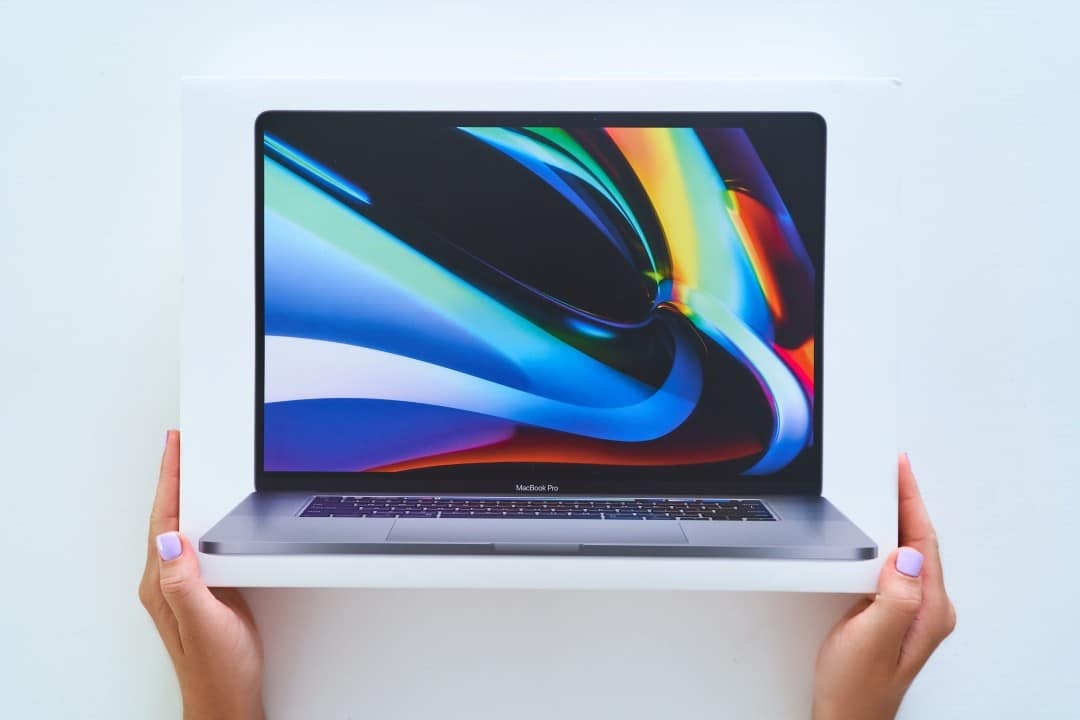
Apple confirmed the exclusivity of the macOS 27 operating system for computers equipped with M series processors. The update scheduled for September will leave out all equipment based on the Intel architecture. The measure establishes a definitive milestone in the company’s technological transition. Máquinas compatible with the previous version of the software will lose access to new features. The decision affects millions of global users who still use older models.
The change consolidates a process started six years ago by the technology manufacturer. The brand’s last computer with the Intel chip hit the market at the beginning of the current decade. The new update policy also decrees the end of Rosetta 2. The code translator allowed old programs to run on modern ARM-based processors. Desenvolvedores will need to adapt their applications natively to maintain functioning in the Apple ecosystem.
Fim from the line for the brand’s old computers
Modelos popular notebook and desktop computers will lose official software support. The list of excluded equipment covers Pro MacBooks launched until the beginning of 2020. The cut also affects iMacs with a 5K screen from the same year. The Mac Pro sold in 2019 falls under the same system restriction. Estes computers run the current version of the operating system without technical difficulties. The manufacturer chose to end the cycle of major updates for these specific machines.
The technical support limit follows the historical standard adopted by the American company. The company typically offers system updates for an average of five to seven years after the product launch. Qualquer computer manufactured before 2020 will be locked to the current software version. Users will continue to receive timely security fixes for a limited time. The forced transition drives the sale of new equipment with proprietary silicon-based architecture.
The confirmation of the block occurred indirectly in the company’s technical documents. The manufacturer did not publish an explicit statement about the end of support for old chips. The exclusive compatibility specification with the ARM architecture was enough for the market to understand the guideline. Especialistas in technology were already waiting for this strategic move. Maintaining two different codebases generated additional development costs and delayed the implementation of new features.
Code translator Remoção affects legacy software
macOS 27 will completely eliminate the Rosetta 2 tool from the operating system. The utility worked as an invisible bridge for users during architecture transitions. The software translated instructions written for x86 processors in real time. The M series chips were able to run the old programs with minimal loss of performance. Removing the feature breaks compatibility with non-updated applications and ends the market adaptation phase.
Most popular platforms already have native versions for the ARM architecture. Grandes companies in the technology sector adapted their products quickly after the launch of the M1 chip. The issue mainly affects smaller tools and specialized utilities. Muitos niche programs have stopped receiving support from their original creators over the years. Estes specific software will become unusable after installing the September update.
The company’s policy establishes clear guidelines for the software development market:
- Aplicativos without native adaptation for ARM processors will not open on the new system.
- The Rosetta 2 translation utility will disappear from updated computers.
- Programadores had a period of years to carry out the code migration.
- Softwares professionals from companies like Adobe and Microsoft already work natively.
- Old Ferramentas created by third parties are at immediate risk of incompatibility.
The end of backward compatibility requires increased attention from professionals who depend on specific software. Estúdios audio, video production companies and engineering offices often use old plugins in their workflows. Updating the operating system can paralyze entire operations if the tools do not have modern versions. IT Administradores will need to audit installed programs before authorizing migration on corporate networks.
Lista of equipment compatible with the new version
The M series processor requirement sets the brand’s new compatibility standard. Qualquer computer equipped with the M1 chip or later versions will receive macOS 27. The list of guaranteed machines includes the Air MacBook lines from M1 to M5. MacBook Pro models with processors from the same family are also included in the support list. The rule covers the entire current range of portable computers sold by the manufacturer in official stores.
The company’s desktops follow the same technical system update guidelines. The iMac in versions M1, M3 and M4 has confirmed compatibility with the new software. Mac mini from M1 to M4 Pro will receive the installation package in September. The Mac Studio and Mac Pro equipped with the M2 Ultra chip complete the list of supported machines. Computadores released between June 2026 and the arrival of macOS 28 will automatically enter the update cycle.
Evento for developers will bring details about artificial intelligence
The official presentation of the news will take place during the WWDC26 conference. The annual event aimed at software creators begins on June 8th. The company will detail the functions of macOS 27 for the first time in front of the public and the specialized press. Desenvolvedores guests will receive immediate access to test versions of the operating system. The complete technical documentation will be available on the company’s portals after the event’s opening lecture.
The market awaits announcements focused on the integration of artificial intelligence in the workplace. Rumores points to the arrival of a reformulated version of the Siri virtual assistant. The tool’s update has been postponed since 2024. The new interface should incorporate advanced photo editing features with local processing. The computational capacity of M series chips makes it easy to perform complex tasks without relying on external servers.
Confirmation of exclusivity for the ARM architecture represents the only technical information validated to date. The manufacturer maintains secrecy about the new features of the graphical interface. macOS 27 will act as a technological transition version for users of the brand’s computers. The movement reflects the strategy adopted for the launch of iOS 27 on mobile devices. The next generations of operating systems will place artificial intelligence at the center of the user experience.
The architectural transition closes an important chapter in the history of personal computing. The partnership with the x86 processor manufacturer lasted more than a decade and a half. The move to proprietary silicon ensured greater control over integrated hardware and software. The end of support for old models consolidates the vision of a unified ecosystem. The focus now turns entirely to optimizing performance and energy efficiency in new equipment.