Smartphone prices soar without real hardware innovation during 2026
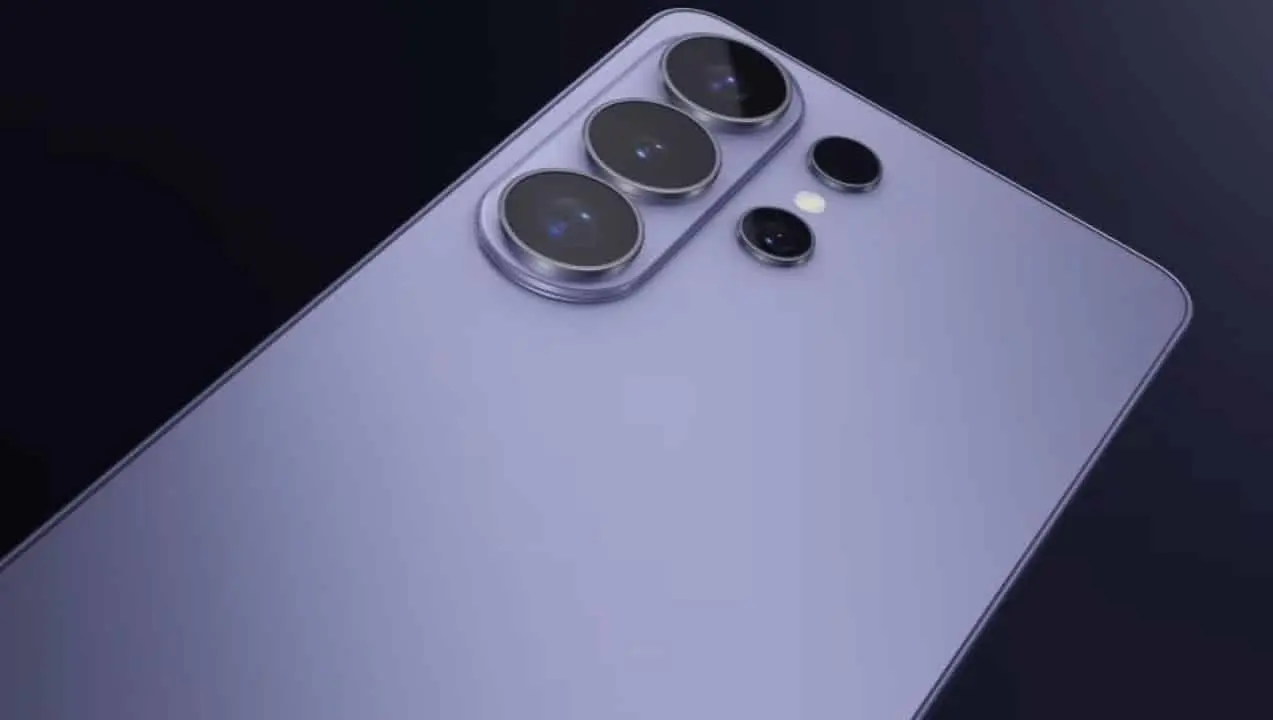
Smartphone Fabricantes has increased the prices of its devices in 2026 without introducing significant changes to the hardware. Samsung, Motorola, and Google released devices virtually identical to previous models, with markups reaching $200 or more. The strategy reflects a stagnant mobile industry, where constant turnover allows new equipment to be launched at inflated prices that simulate non-existent improvements.
The scenario is particularly critical in América of Norte, a region where competition is restricted to a few brands and consumers face limited options. Diferente from other electronic sectors, which maintained stable prices or discreetly increased costs, the mobile market used the constant renewal of lines to justify abrupt increases without equivalent innovation.
Motorola leads rises without technical justification
Motorola has emerged as the most aggressive brand in price increases among North American manufacturers. The recent Razr trio hit the market with increases reaching US$200, accompanied by minimal changes to the hardware beyond battery capacity. The base model even suffered a storage reduction, dropping to just 128 GB, while the $1,500 Razr Ultra lost the 1 TB option available last year — equipment that is now on sale for almost half the original price.
The company subsequently announced new price increases on devices already sold, coinciding with the launch of the Moto G Stylus 2026. The Moto G Stylus received only cosmetic improvements: UFS 3.1 storage and a 200 mAh battery increase. Essas modest changes hardly justify the jump in prices charged.
Descontinuar the Galaxy Z TriFold weeks after launch, presumably to avoid raising the price of a device that already exceeded $3,000, revealed another tactic: Samsung artificially maintained demand by removing the option from the formal retail market. The equipment migrated to scalpers, scammers and collectors.
Samsung Expands Multi-Line Raising Strategy
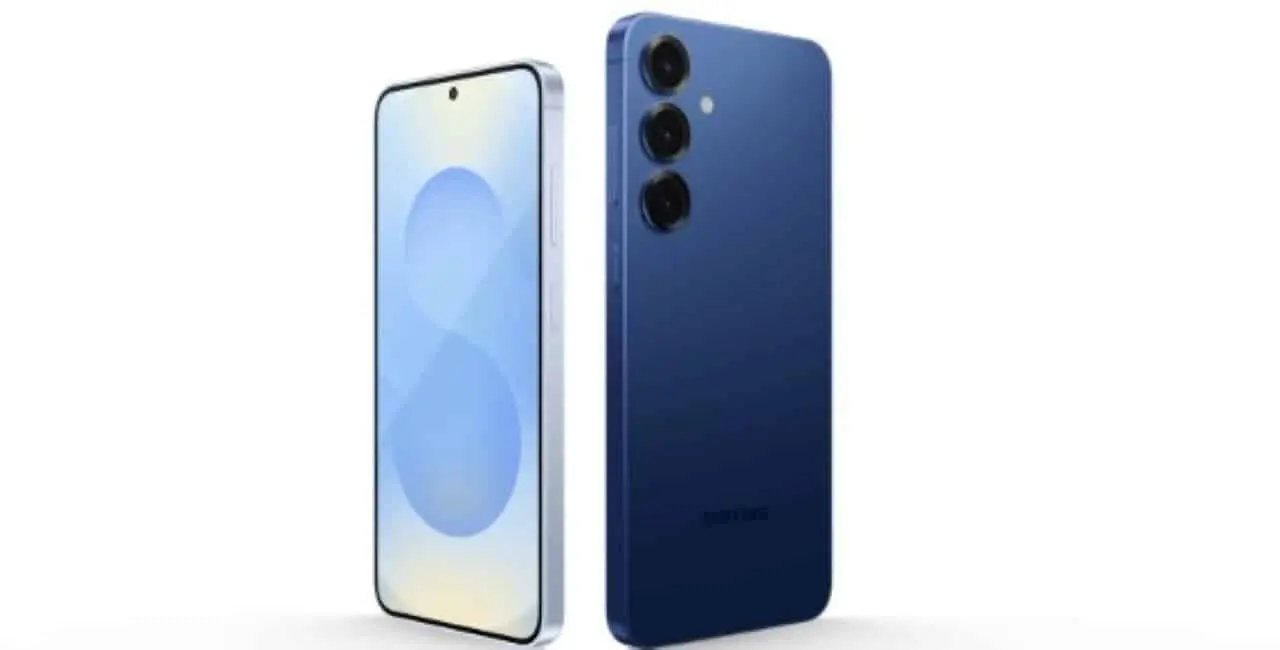
Samsung replicated increases not only in the Galaxy S26 trio, but also in the input lines. The new Galaxy A37 and A57 arrive with $50 markups over their immediate predecessors, placing the premium model above the Pixel 10a with identical specifications. Embora have both received incremental improvements — unlike Pixel and Google — the entire Samsung entry series has seen gradual price increases.
Samsung’s salary strategy also included hiding increases in the higher storage capacity versions of the main foldables, while keeping the price of the base model unchanged. Essa tactic distributed the increase across product ranges, making each move less visible individually.
Comparando pricing between consecutive generations reveals the magnitude of the problem. The Galaxy S25, released a year ago, was available unlocked from Walmart for just $570, down from the original $800. The new S26 costs $900, creating a differential of $300 or more between the discounted previous generation and the current release. Nos previous cycles, this difference was approximately $200.
Leia Também

Where to watch South Africa vs Canada live at the 2026 FIFA World Cup

Saudi Aramco aircraft crash results in 14 deaths near oil terminal in Saudi Arabia

Portuguese newspaper criticizes Cristiano Ronaldo’s performance in Portugal’s draw; Diogo Costa is elected highlight
Extended software Suporte as sole compensation
With hardware unchanged and prices rising, improved software support policies have emerged as the only tangible argument to justify new investments. Google and Samsung have offered seven years of upgrades for their high-end smartphones for several generations, eliminating the historical incentive that encouraged Android users to invest more initially for extended life cycles.
Essa change transformed the purchase calculation. Quando o Galaxy S25 will stop receiving updates a year earlier than S26, the difference between 2032 and 2033 is not as impactful as the shorter update cycles of the past. Nesse scenario, investing in older equipment at a substantial discount has become mathematically rational.
Motorola remains vulnerable in this context. Seus flip devices cost close to US$2,000, but offer only three operating system updates with five years of monthly patches — a fragile promise given the prices charged. The $1,900 Razr Fold promises seven operating system updates and seven years of biannual patches, matching the Samsung and Google, but the conventional Razr models lack that longevity.
Ciclos Delayed Releases Amplify Problem
Para Consumers facing delayed release cycles on brands like Motorola, saving up to 50% on last year’s equipment becomes a logical decision. Essa price difference between generations is not permanent. 2026 prices do not reflect 2025 prices, and the same will be true for 2027 hardware. Current releases set a new bar for future discounts, meaning subsequent year’s sales will likely mirror the “full price” of two years ago.
- Galaxy S26 with faster processor, bigger battery and expanded screen, but $100 above the S25
- Motorola Razr with up to $200 increases and storage reduction on base model
- Samsung Galaxy A37 and A57 add $50 over predecessors
- Políticas seven-year upgrade to Samsung and Google on premium lines
- Motorola Razr Fold offering identical support to competitors, but not conventional models
Enquanto hardware from a year ago reflects component prices from that period, consumers are harmed by not considering 2025 releases in conjunction with their successors. The strategy of raising prices without equivalent innovation sets a risky precedent for the mobile market, alienating users looking for genuine value in their purchases.