Analysis of the Orion spacecraft ensures technical basis for human landing on the lunar surface in 2027
The American space agency has completed the preliminary assessment of data generated by the flight of the Orion capsule. The equipment returned to Terra on April 10th. The journey bypassed Lua. The descent occurred in the waters of Oceano Pacífico, close to the coast of San Diego. The results attest to the safety of life support and navigation systems. The trip covered more than 1.1 million kilometers in deep space.
The success of this stage establishes the technical foundation for the next steps of the space program. Analysis of the information collected confirms the feasibility of the current schedule. Official planning foresees the landing of a crew on the surface of the natural satellite in 2027. The project represents the resumption of manned missions beyond low Earth orbit. The initiative serves as a testing ground for future expeditions to the planet Marte.
Heat shield Desempenho exceeds expectations during reentry
The most critical phase of the return involved extreme friction with the Earth’s atmosphere. The spacecraft reached a speed equivalent to 35 times the sound barrier. The thermal shield withstood very high temperatures to protect the interior of the module. Visual inspections carried out by rescue teams showed less wear than that recorded in the previous flight. The amount of charred material at the base has decreased considerably. The result excited experts.
The practical data confirmed the mathematical models created in the laboratories. Previous Testes with electric arc jets had predicted this behavior of the protective material. Aeronaves monitoring equipment recorded high-resolution images during the descent at hypersonic speed. The photographic material will undergo close scrutiny in the coming weeks. The objective is to map the exact moment in which structural changes occur on the shield’s surface.
The main module will go to Centro Espacial Kennedy on Flórida. Technicians will drain dangerous waste fluids, such as leftover fuel. The heat shield will be transferred to Centro from Voos Espaciais Marshall, on Alabama. Researchers will extract microscopic samples of the structure. X-ray Equipamentos will perform internal scans to detect possible microcracks.
Learn more: Artemis II mission validates NASA systems for return to the Moon in 2027
Precisão math marks the return of the capsule to Oceano Pacífico
The autonomous navigation system guided the equipment accurately to the rescue point. The capsule touched down just 4.7 kilometers from the planned central target. The impact speed varied by just 1.6 kilometers per hour in relation to the original calculations. Essa minimum error margin attests to the reliability of the flight control algorithms. Aerospace engineering depends on this predictability to ensure safety in space.
The vehicle’s rear external structure also maintained its physical integrity. The ceramic plates resisted aerodynamic forces without presenting structural failures. Reflective thermal tape remained glued to several sections of the hull. Esse material has the function of regulating internal temperature during exposure to vacuum. The tape was designed to burn during reentry, but some of it survived the friction process.
Engenheiros remove internal parts for evaluation and future use
Recovery teams began partial disassembly of the ship at the San Diego naval base. The procedure aims to protect sensitive components from marine corrosion. Technicians extracted several electronic and mechanical modules from inside the cabin.
More on this story: NASA accelerates Artemis 3 mission with assembly of the Orion spacecraft and new tests
See Also

Gamer Week: Vivo and Supercell offer free rare item for Clash Royale players

Cristiano Ronaldo reaches 977 goals for Al-Nassr and aims for the thousandth goal in his career

Newborn dies after being injured by a scalpel during a cesarean section in the interior of São Paulo, says family
- Assentos of the crew intended for mechanical stress analysis.
- Módulos video processing and camera control.
- Sistemas primary telemetry data storage.
- Life support system connection Cabos.
- Liquid waste ventilation mechanism Componentes.
The urine ventilation system presented a small anomaly during the space flight. Experts isolated the affected hardware to investigate the source of the mechanical failure. Early identification of this problem allows parts to be redesigned before humans are dispatched. Physiology in space demands impeccable sanitation systems. The risk of contamination is high. Correcting this flaw is a priority on the list of technical adjustments.
Foguete main and launch pad resist extreme forces
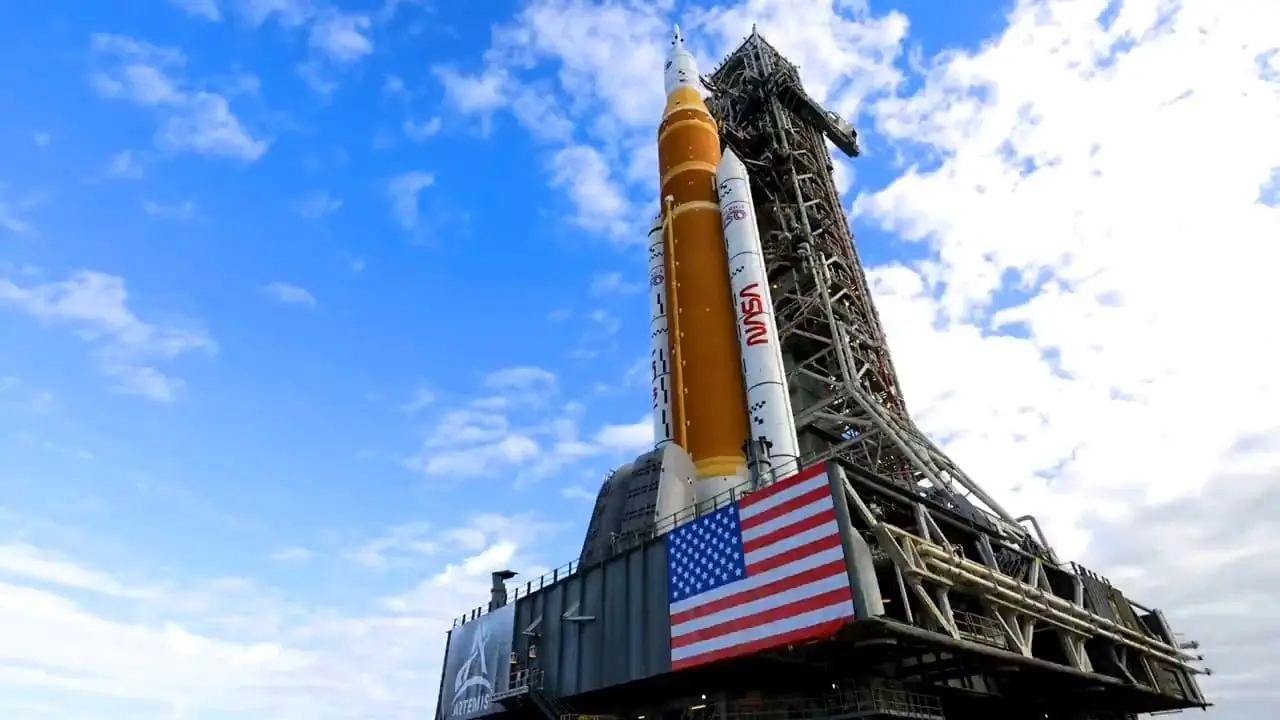
The launch vehicle fulfilled its role with mathematical perfection in the initial minutes of the mission. The rocket delivered the capsule into the correct orbit with practically zero trajectory deviation. The main engines shut down at the exact moment the set surpassed the 29,000 kilometers per hour mark. The performance attests to the manufacturing quality of the propulsion components. The equipment is the most powerful artifact built by the space agency. The project exceeded expectations.
The ground infrastructure withstood the ignition with superficial damage. The mobile platform underwent extensive structural modifications after the first flight test. Engineers installed reinforced elevator doors and flexible gas distribution panels. Thermal protection barriers diverted extreme heat flow away from vital pipes. The cooling systems worked without interruption during takeoff.
On the same topic: Artemis II mission team repairs Orion spacecraft’s sanitary system during space maneuvers
The launch tower returned to the vehicle assembly building for routine maintenance. The speed in releasing the structure indicates a maturation of ground operations. Land logistics needs to keep up with the fast pace of the next phases of the project. Reducing repair time reduces the agency’s operating costs.
Preparações moves towards sending astronauts to lunar soil
The rescue operation at sea involved military and civil coordination. Mergulhadores experts from Marinha simulated the extraction of a real crew. The support ship hoisted the capsule onto the deck within hours. The vessel transported the equipment safely to the military port on Califórnia. The practical trial validated the medical emergency protocols.
The processing of flight data directly feeds the development of the next exploratory stage. The mission scheduled for 2027 will place humans at the lunar south pole for the first time. The region is home to permanently shadowed craters with water ice deposits. The extraction of this natural resource will allow the local production of oxygen. The technical success of the recent flight eliminates major engineering uncertainties.
The construction of the housing modules and spacesuits follows the established schedule. Partner companies use newly acquired telemetry to refine equipment security parameters. The return to Lua is permanent and commercial. The scenario has completely changed. The knowledge base formed now will support continued human presence outside Earth orbit for decades to come.
More on this story: Artemis II crew restores Orion’s bathroom after in-orbit incident