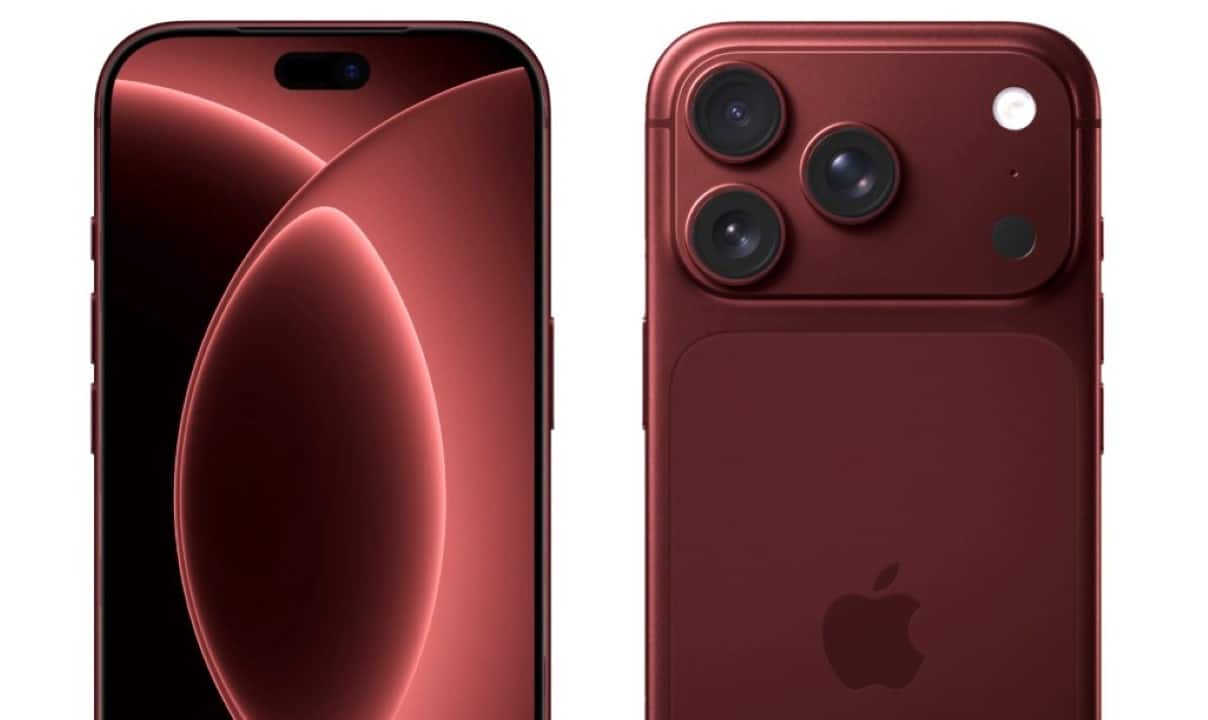
Apple develops a package of technological updates for the launch of the iPhone 18 Pro. The American brand’s premium smartphone will receive six main modifications to its hardware structure and design. The company focuses on improvements in processing, image capture and energy autonomy. The engineering project changes fundamental components of the device.
Structural changes include reducing the front notch and adopting a new visual pattern at the rear. The mobile device will also mark the debut of new internal parts in the global telephone market. The manufacturer seeks to consolidate its independence in the production of semiconductors essential for the system to function. Assembling the equipment requires new manufacturing techniques.
Redução of front notch and rear finish unification
The front panel of the device will feature a smaller version of the Ilha Dinâmica. The development team relocated the facial recognition sensors below the main display. The technical modification frees up useful screen area for viewing applications, videos and system notifications. The reduced format represents the biggest change to the top cutout since the original implementation of the feature.
The external casing will undergo strict chromatic standardization. The new design eliminates the difference in tone between the metallic edges and the frosted back glass. The manufacturer carried out tests with different color palettes during the model’s prototyping phase. The finishing options will follow the public’s preference for more integrated and uniform tones across the entire surface.
The chassis manufacturing process adopts new industrial polishing techniques. The junction between glass and metal receives a specific heat treatment to guarantee resistance against everyday impacts. The structure maintains water and dust protection certification. The total weight of the device suffers small variations due to the new materials used in construction.
Processador A20 Pro introduces two-nanometer architecture
The overall performance of the smartphone will be controlled by the A20 Pro chip. The electronic component uses a two-nanometer manufacturing process. The first-of-its-kind architecture employs wafer-level multi-chip module packaging technology. The physical advancement of semiconductors allows for a significantly higher density of transistors on the phone’s main board.
The new lithography delivers greater raw data processing capacity. The system reduces electrical energy consumption during complex graphic rendering tasks. The hardware has specific optimizations for running artificial intelligence tools directly on the device’s local storage. The integration of processing cores ensures fluidity when switching between heavy applications.
Processor thermal management requires a new heat dissipation system. Placas graphite lining the inside of the chassis to prevent overheating during prolonged gaming use or high-resolution video recording. The energy efficiency of the A20 Pro chip works in conjunction with the software to extend the life of internal components.
Photo capture Sistema receives variable aperture
The rear optical assembly incorporates a variable aperture mechanism in the main lens. Physical technology allows mechanical adjustment of light input to the high-resolution image sensor. The photographer gains direct control over depth of field during daily recordings. The feature brings the cell phone camera closer to the mechanical operation of professional studio equipment.
The native camera software will offer three default depth settings for system users. The options automatically adjust the scene blur according to the needs of the captured scene:
- Profundidade shallow to isolate the main element and completely blur the background of the image.
- Profundidade averaged to keep the environment context partially visible and recognizable.
- Profundidade wide to ensure full focus and sharpness in all planes of photography.
The telephoto lens will also undergo precise calibrations to capture more light in nighttime environments. The side camera control button will receive a simplified mechanical interface. The Apple will remove the sliding touch sensors from the external physical part. The change aims to make it easier to quickly release the shutter and prevent accidental shooting while handling the phone.
Expansão of power capacity and new network modem
The internal structure of the iPhone 18 Pro will accommodate a higher chemical density battery. The energy storage component will require a slight increase in the thickness of the device’s aluminum chassis. The Pro Max model will present the greatest gain in autonomy of the entire line sold. The engineering strategy prioritizes continuous usage time away from charging sockets.
Wireless connectivity will be managed exclusively by the C2 modem. The fifth-generation communication chip definitively replaces parts supplied by third-party companies in the telecommunications sector. The technological transition initiated in previous generations reaches its design maturity in the new device. The proprietary component optimizes the search for signals from local operators.
The verticalization of network chip production represents a strategic industrial milestone for the technology company. Full control over communications hardware enables more efficient and secure operating system upgrades. Direct integration between the main processor and proprietary modem eliminates physical data transfer bottlenecks. The smartphone manages radio frequencies intelligently.
Assembly lines prepare the adaptation of heavy machinery to the new mobile phone structure. The manufacturing schedule requires rigorous quality testing of the new miniaturized components before mass production. The global supply chain adjusts the delivery of variable aperture lenses and expanded batteries to factories. The technology sector monitors the logistical movements necessary to supply the international market.