

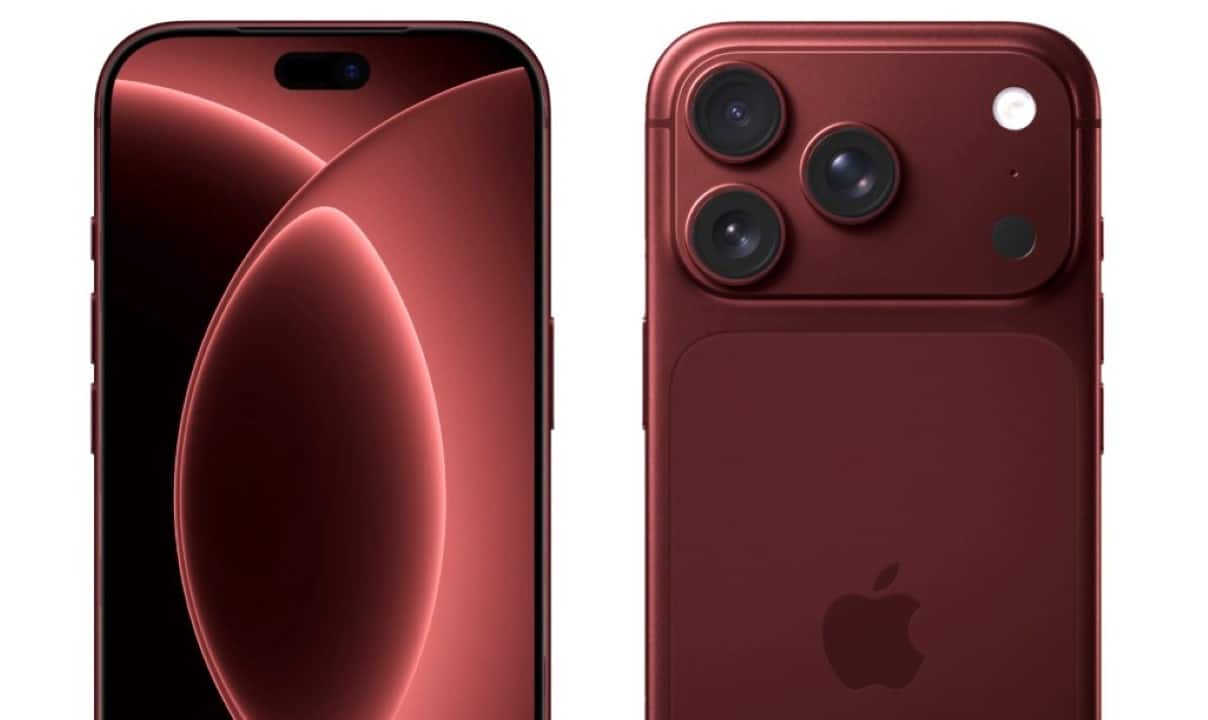
Apple advances in the development of a broad package of technological updates aimed at the future iPhone 18 Pro. The North American manufacturer’s premium smartphone will undergo six deep structural modifications to its hardware and industrial design. The company focuses its engineering efforts on three fundamental pillars of daily use. Engineers prioritize the leap in processing capacity, precision in image capture and the expansion of energy autonomy. The project alters vital internal components of the device.
The scheduled structural changes include the remodeling of the front panel and the adoption of an unprecedented visual pattern on the rear lid. The mobile device will mark the commercial debut of exclusive silicon parts in the global telephone market. The company seeks to consolidate definitive independence in the production of semiconductors essential to the operating system ecosystem. Assembling the new equipment requires the implementation of complex manufacturing techniques in partner factories. The testing schedule follows the traditional rhythm of the technology industry.

Redução of the front cutout and chromatic standardization of the chassis
The device’s light panel will display a physically smaller version of the interface known as Ilha Dinâmica. The hardware development team managed to relocate the infrared facial recognition sensors to a layer below the main display. The technical modification frees up a considerable usable screen area for viewing applications, playing videos and reading system notifications. The reduced shape of the notch represents the most aggressive visual change to the top of the phone since the original implementation of biometrics technology.
The cell phone’s external casing will undergo extremely rigorous chromatic standardization on the assembly lines. The new industrial design project eliminates any difference in tone between the metallic side edges and the matte finish rear glass. The manufacturer carried out practical tests with dozens of color palettes during the model’s initial prototyping phase. The final finishing options reflect consumers’ preference for more integrated and uniform tones across the entire tactile surface.
The aluminum chassis manufacturing process adopts new mechanical polishing techniques on an industrial scale. The junction area between the glass plate and the metal frame receives a specific heat treatment to guarantee structural resistance against everyday impacts and accidental falls. The reinforced structure maintains international certification for protection against submersion in water and exposure to fine dust. The total weight of the device will register small variations on the scale due to the density of the new materials used in the construction of the internal skeleton.
Two-nanometer Arquitetura boosts A20 Pro processor
The smartphone’s overall computing performance will be controlled by the unprecedented A20 Pro chip. The processing electronics utilize an advanced two-nanometer manufacturing process. The silicon architecture employs a complex multi-chip module packaging technology directly at the silicon wafer level. The physical advancement in semiconductor printing allows for a significantly higher density of transistors allocated on the phone’s main board. The gain in internal space facilitates the distribution of logical cores.
New microscopic lithography delivers superior raw data processing capability in fractions of a second. The operating system drastically reduces battery power consumption when performing complex three-dimensional graphics rendering tasks. The hardware has specific physical optimizations for running generative artificial intelligence tools directly in the device’s local storage module. Improved integration of processing cores ensures constant fluidity when quickly switching between heavy editing applications.
The thermal management of the new processor requires the installation of a redesigned heat dissipation system. Placas thin graphite covers the interior of the metal chassis to prevent components from overheating during prolonged use of electronic games or continuous recording of videos in very high resolution. The native power efficiency of the A20 Pro chip works in conjunction with software algorithms to extend the life of internal parts. Temperature control prevents sudden drops in performance on hot days.
Photo capture Mecanismo receives mechanical variable aperture
The optical assembly positioned on the back of the phone incorporates a variable aperture mechanism on the main capture lens. Hardware technology allows mechanical and physical adjustment of natural light input to the high-resolution image sensor. The amateur or professional photographer gains direct and precise control over depth of field during daily scene recordings. The feature brings the cell phone’s compact camera closer to the traditional mechanical operation found in professional photography studio equipment.
The operating system’s native camera app will offer three default focal depth settings for users. The software options automatically adjust the background blur level according to the aesthetic needs of the scene captured by the lens:
- Shallow Profundidade programmed to isolate the main element of the photo and completely blur the background of the captured image.
- Profundidade average calibrated to keep the environmental context partially visible and recognizable to the viewer.
- Profundidade wide configured to ensure full focus and absolute sharpness in all planes of landscape photography.
The set’s telephoto lens will also undergo precise factory calibrations to capture more light in night or indoor environments. The side button dedicated to camera control will receive a simplified mechanical interface in its actuation structure. The Apple will remove the sliding touch sensors from the external physical part of the device. The design change aims to make it easier to quickly activate the photographic shutter and prevent unwanted accidental releases during daily use of the phone.
Battery Capacity Expansão and Network Modem Integration
The redesigned internal structure of the iPhone 18 Pro will accommodate a higher chemical density battery in its power cells. The vital storage component will require a slight millimeter increase in the overall thickness of the device’s aluminum chassis. The Pro Max model in the line will present the greatest absolute gain in autonomy of the entire family of cell phones sold by the brand. The core engineering strategy prioritizes continuous screen usage time away from quick-charging sockets.
The device’s wireless connectivity will be managed exclusively by the new C2 modem. The fifth-generation communication chip definitively replaces radio parts supplied by third-party companies in the global telecommunications sector. The technological transition that started timidly in previous generations reaches its design maturity in the new premium device. The proprietary network component optimizes the constant search for signal from local telephone operators’ antennas.
The complete verticalization of network chip production represents a long-term strategic industrial milestone for the technology company. Full control over communications hardware allows you to send operating system updates much more efficiently and securely against intrusions. Direct, physical integration between the main processor and proprietary modem eliminates previous on-board data transfer bottlenecks. The smartphone manages radio frequencies intelligently and autonomously.
Asian assembly lines are already preparing to adapt heavy machinery to produce the new mobile phone structure. The strict manufacturing schedule requires exhaustive quality testing of the new miniaturized components before approval for mass production. The global supply chain adjusts the logistics of delivering variable aperture lenses and expanded batteries to assembly plant warehouses. The technology sector follows the industrial movements necessary to regularly supply the international market.