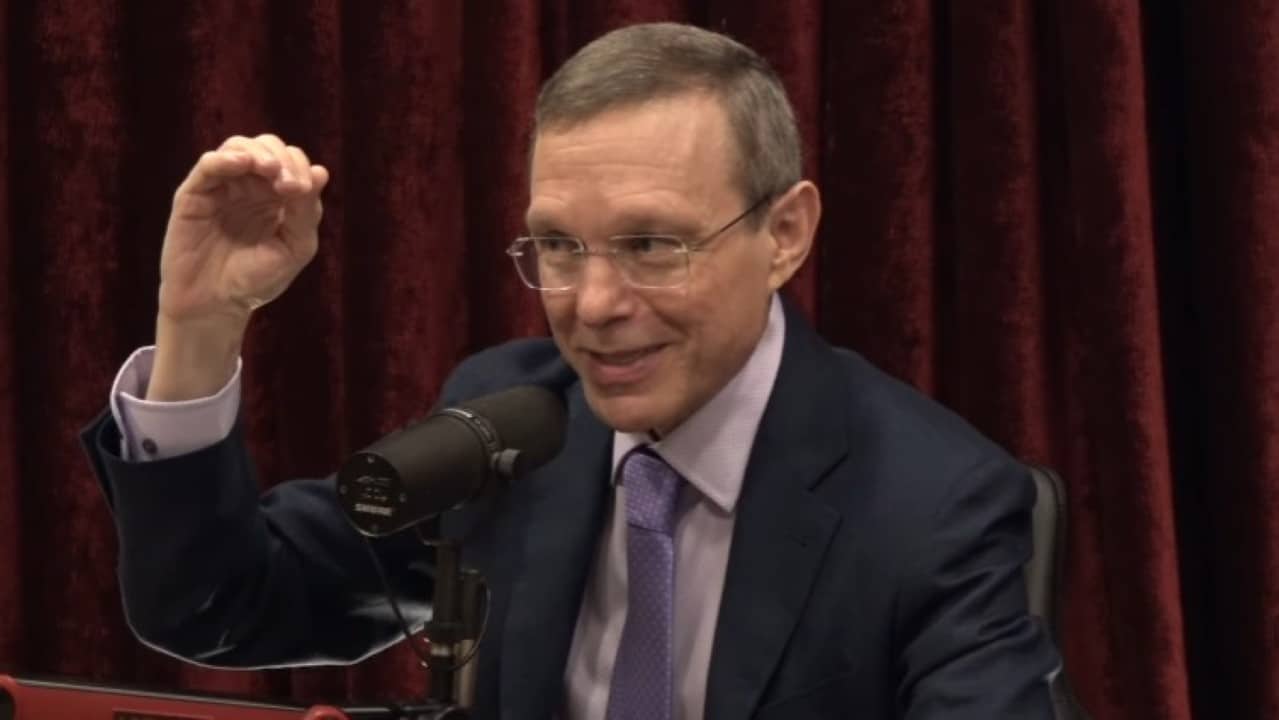
Avi Loeb, renowned astronomer at Universidade Harvard, argues that governments should not keep evidence about extraterrestrial technology secret. The position puts into debate the policy of transparency in scientific discoveries of global reach. Loeb advocates that data on possible alien technologies be shared with the international scientific community. The topic gains relevance as reports about unidentified phenomena in different countries increase.
The researcher’s concern centers on the limitation of scientific advancement caused by government secrecy. Public and private Instituições on several continents work to investigate unidentified flying objects. Loeb maintains that sharing information would enable collaborative analysis between scientists of multiple nationalities. Essa approach would accelerate understanding about the real nature of these phenomena.
Argumentos scientific data opening
The international academic community needs access to raw records and detailed analysis. Loeb points out that isolated investigations by government agencies limit the ability for objective investigation. Shared Dados would enable robust peer review. Scientific methodology depends on independent verification and reproduction of results by unrelated researchers.
Instrumentos increasingly sophisticated space observation systems regularly detect anomalous phenomena. Agências American, European and Asian spacefarers catalog events that defy conventional explanations. The astronomer argues that transparency about findings would not harm national security. Pelo Otherwise, open analysis would strengthen scientific conclusions.
Histórico Astronomer Research and Projects
Loeb founded Projeto Galileo, an initiative dedicated to the search for extraterrestrial technology and anomalous astronomical phenomena. The project uses advanced telescopes and globally distributed sensor networks. Pesquisadores linked to the program have already published dozens of articles in peer-reviewed scientific journals. Estudos of Projeto Galileo examined celestial objects with unusual orbital characteristics.
The astronomer published the book “Extraterrestrial” in 2021, where he discusses the possibility of cosmic visitors. Seu’s work generated international debate on the methodology for searching for extraterrestrial life. Loeb collaborates with prestigious universities and research centers on six continents. Sua trajectory includes discoveries about supermassive black holes and extreme gravitational phenomena.
Posicionamento on government transparency
Governos argue that secrecy protects military technologies and sensitive operations. Loeb refutes this position, suggesting that scientific data can be declassified without compromising security. Procedimentos already exist in democracies to release information after specific periods. The model could apply to findings about extraterrestrial technology. Loeb highlights that countries that adopt transparency will gain international scientific credibility.
The astronomer’s position finds support among scientists working with unidentified phenomena. Instituições academics are increasingly demanding public data on official investigations. Agências Space agencies such as NASA and ESA begin to release reports on observations of anomalous objects. Essa trend reflects growing pressure for accountability in research.
Implicações for future research
Abertura data would accelerate research in multiple areas of astronomy and theoretical physics. Universidades would dedicate resources to analyzing phenomena currently outside the academic scope. Possibilidade of extraterrestrial technology would motivate investment in advanced instrumentation. Colaboração international search for cosmic life would intensify significantly.
Loeb predicts that the next decade will bring changes to government disclosure policy:
- Agências spacecraft will increase publication of data on unidentified phenomena
- Universidades will establish departments dedicated to studying extraterrestrial technology
- Conferências will include exclusive sessions on anomalous astronomical findings
- Private Investimento in Search for Unusual Celestial Objects Will Grow
- Colaboração international on scientific transparency will strengthen academic institutions
The demand for transparency reflects a broader transformation in how modern science deals with discoveries that challenge current understanding. Loeb insists that government has a civic responsibility to share knowledge that affects all of humanity.