
Cientistas have identified signs of an atmosphere on a small celestial body located in the vicinity of Netuno, a finding that challenges astronomers’ expectations about which objects can trap gases. The detection was carried out using expert observations and represents a rare discovery in the study of the outer solar system.
The celestial body in question is much smaller than was considered necessary to maintain a stable atmosphere. Pesquisadores used advanced spectroscopic analysis techniques to identify the presence of gases around the object. The discovery expands the understanding of possible atmospheric conditions in distant regions of our planetary system.
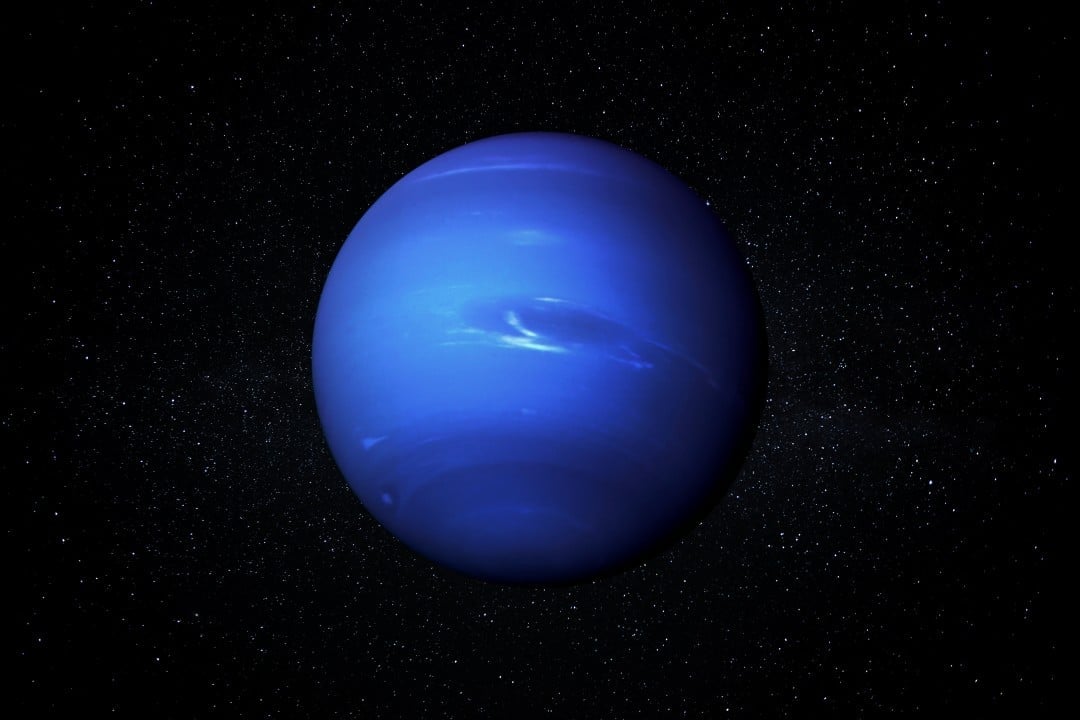
Características of the celestial body and its atmosphere detected
The object under study has dimensions that make it particularly interesting for the scientific community. Sua location close to Netuno offers unique observation and study conditions. The identified atmosphere contains gaseous components that indicate physical and chemical processes that are not yet completely understood in small bodies.
The detection of this atmosphere was possible thanks to sophisticated observation instruments capable of capturing faint spectral signatures. The wavelength of light refracted by the gases allowed astronomers to confirm the presence of an atmospheric layer. Esse type of analysis requires extreme precision and state-of-the-art equipment to obtain reliable data on such distant and minute objects.
Implicações Scientific Discovery
The existence of an atmosphere on such a small celestial body contradicts previous theoretical models that established a minimum size for retaining gases. Cientistas now need to review their criteria for classifying solar system objects. The finding suggests that atmospheric formation and stabilization processes may be more complex and varied than previously imagined.
Fatores as proximity to Netuno, surface composition, local temperature and escape velocity are elements that can explain how this body maintains its atmosphere. The research opens up new questions about the geological and climatic evolution of smaller objects in space. Future Observações directed to this region of the solar system may reveal other similar cases.
Observational Metodologia used by researchers
Astronomers employed transmission spectroscopy techniques to detect the atmosphere. Esse method is based on observing how starlight is absorbed as it passes through the gases surrounding the celestial body. Diferenças in light intensities at specific wavelengths reveal the chemical composition of the atmosphere.
The collected data was processed and analyzed using specialized astronomy software. The responsible team validated their results multiple times before publishing them. Esse Methodological rigor is essential in discoveries of great scientific magnitude, as it reduces the margin of error and guarantees credibility of the findings before the international community of researchers.
Contexto from Outer Solar System Exploration
The region near Netuno remains one of the least explored in the solar system. Poucas space probes have reached this distant sector, limiting direct knowledge about objects located there. Portanto, discoveries made through remote observation gain exponential relevance for understanding this zone of space.
The extreme cold conditions, distance from Sol, and complex gravitational dynamics create an environment radically different from the inner regions of the solar system. Objetos that orbit close to Netuno experience variations in pressure, temperature and radiation that are very different from those that affect bodies closer to Terra. Essa environmental singularity explains why the behavior of celestial bodies present there can differ significantly from established models:
- Atmosferas may persist through physical mechanisms not fully documented in classical astrophysics
- Composição gas chemistry may include elements or rats in unexpected proportions
- Processos atmospheric exhaust occurs at a very slow rate due to low temperatures
- Influência’s gravitational pull creates unique orbital stabilization conditions
- Cosmic Radiação and solar wind present distinct characteristics in this peripheral zone
Próximos steps in astronomical research
Astrônomos plan to intensify observations of this region of the solar system using even more advanced telescopes. Novos data should confirm the exact composition of the detected atmosphere. Campanhas multi-wavelength observation will expand the understanding of the physical processes taking place on the celestial body.
The international scientific community is already showing interest in collaborating to deepen studies on this object. Instituições researchers in several countries are directing their efforts towards this discovery. Investimentos in observational technology will continue to grow as the relevance of discoveries made in remote regions of the solar system grows.
Essa discovery reinforces the importance of maintaining robust astronomical research programs and investment in space technology. Cada new data collected contributes to the refinement of scientific models that explain the universe. The solar system, although well studied in its main elements, continues to reveal secrets that challenge established knowledge and drive advances in natural sciences.