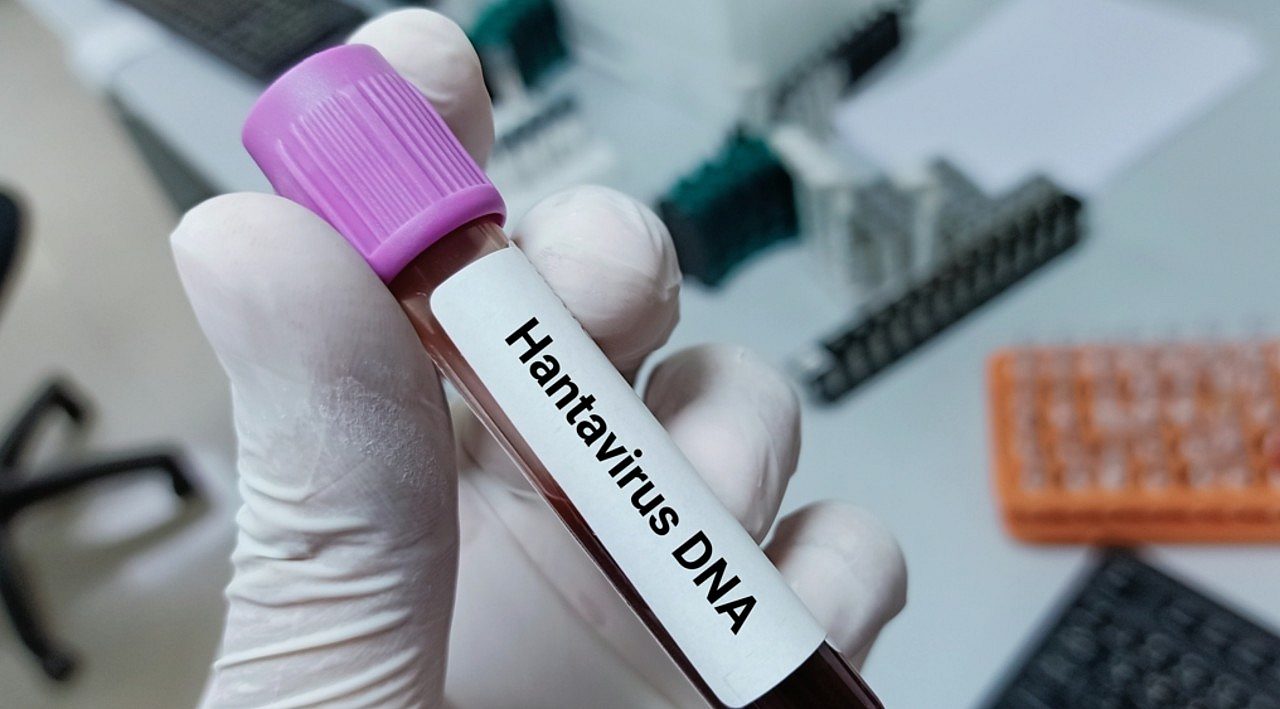
Organização Mundial of Saúde confirmed death from hantavirus in a passenger on the Dutch ship MV Hondius during an expedition by Antártida. A Dutch woman died after testing positive for the virus. Outras two deaths occurred on board, but are still under investigation by health authorities. The episode marks the first documented outbreak of this magnitude in a cruise environment on the Atlântico Sul.
Cronologia of the health crisis
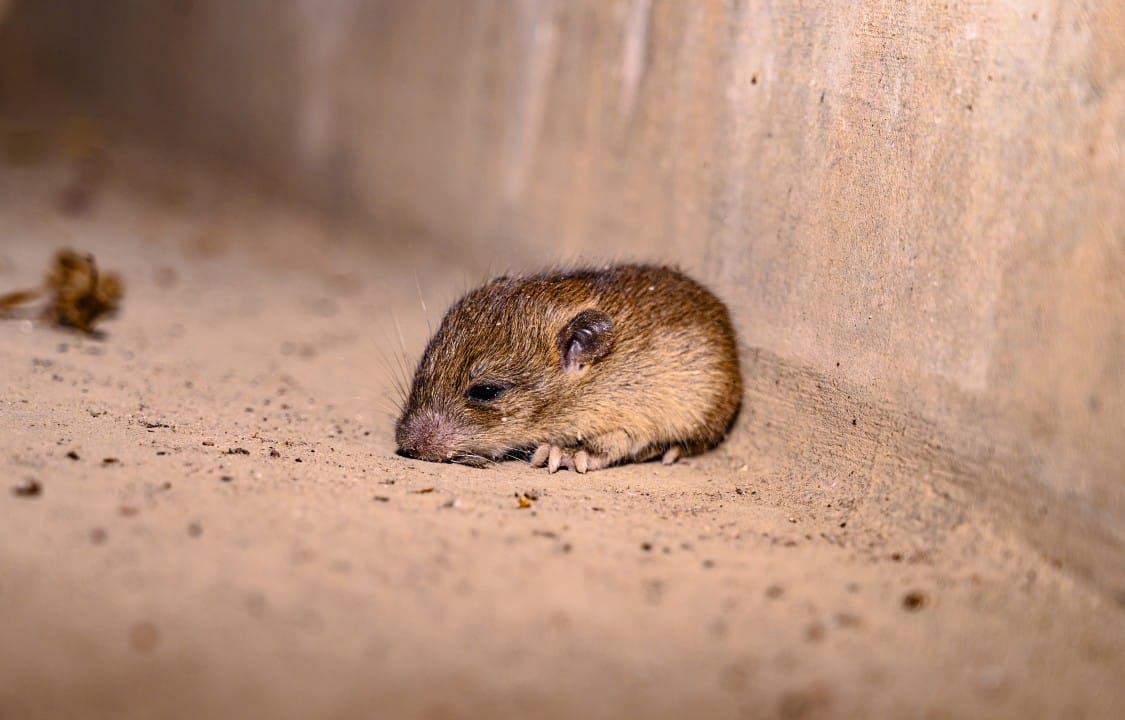
The vessel departed Ushuaia, Argentina, on April 1 carrying 174 people. Itinerário included Antártida, Geórgia from Sul, Tristan from Cunha, Santa Helena and Ilha from Ascensão. On May 2, the WHO received official notification of cases of severe acute respiratory illness on board. On the same day, África and Sul laboratories confirmed hantavirus infection in a patient admitted to intensive care. The detection of the first positive case triggered international containment protocols.
Casos confirmed and suspected
Oito individuals have shown symptoms consistent with hantavirus to date. Desses, three confirmed laboratory infection and five remain under suspicion. The distribution of cases reveals:
- Três cases with confirmed diagnosis
- Cinco cases under laboratory investigation
- Três documented deaths (one confirmed, two under investigation)
- 174 passengers and crew under continuous monitoring
- Intensive triggered Terapia for critical patients
WHO Posicionamento and public risk
Apesar of the severity of the outbreak confined to the ship, Organização Mundial of Saúde assessed that the risk to the general public remains low. Nenhuma travel restriction recommendation was issued by international authorities. The agency points out that human-to-human transmission of hantavirus is rare, with limited documentation in the medical literature. The scenario found in MV Hondius represents an exception in the global epidemiological pattern of the disease. Experts’ Análise suggests that specific conditions of the cruise environment facilitated atypical spread.
Ancoragem and logistical impasse
Até Tuesday, May 5th, the ship remained anchored in the vicinity of Cabo Verde. Local Autoridades reported that the island did not have sufficient hospital and health infrastructure to carry out the evacuation operation and treatment of seriously ill patients. Resgates air and sea transfers require complex coordination between international agencies. Pacientes in critical condition require intensive care units with specialized equipment, a scarce resource in the region.
Desembarque planned in Ilhas Canárias
Ministério from Saúde from Espanha announced that he will receive MV Hondius at Ilhas Canárias the following weekend. Operação occurs in accordance with international law and humanitarian principles. Infra-Ilhas Canárias hospitals include reference centers for infectious diseases and safe isolation. Controlled Desembarque will allow full epidemiological screening of all passengers and crew. Medidas biosecurity measures will be implemented in accordance with European protocols for the containment of emerging pathogens.
Hantavirus Características
Hantavirus causes acute pulmonary syndrome with severe clinical presentation. Initial Sintomas include fever, fatigue, and muscle aches. Progressão can result in respiratory failure and multi-organ failure. Taxa mortality ranges between 30% and 50% in untreated cases. Transmissão occurs primarily through contact with infected rodents or their excretions. Human Transmissão is rarely documented, making this outbreak epidemiologically significant for international medical research.
Impacto in the cruise industry
Surto on MV Hondius raises alarm in the maritime travel industry about vulnerability of ships on remote routes. Polar Expedições transport passengers to regions with difficult medical access. Protocolos of biosafety on vessels requires regulatory review. Cruise ship Companhias will face pressure to improve isolation and epidemiological surveillance systems. Rota by Antártida and Atlântico Sul represents a specific risk due to wildlife and confined environments.
Investigação continuous
Autoridades continues investigation to identify primary source of infection. Possibilidades include environmental exposure during port stops or contact with wildlife. Amostras biological samples from all passengers were collected for full laboratory analysis. Dados epidemiological data will be shared with international agencies to update knowledge on hantavirus transmission. Resultados may impact safety protocols on future Antarctic expeditions.