NASA celebrates return of Artemis 2 crew after historic deep space test
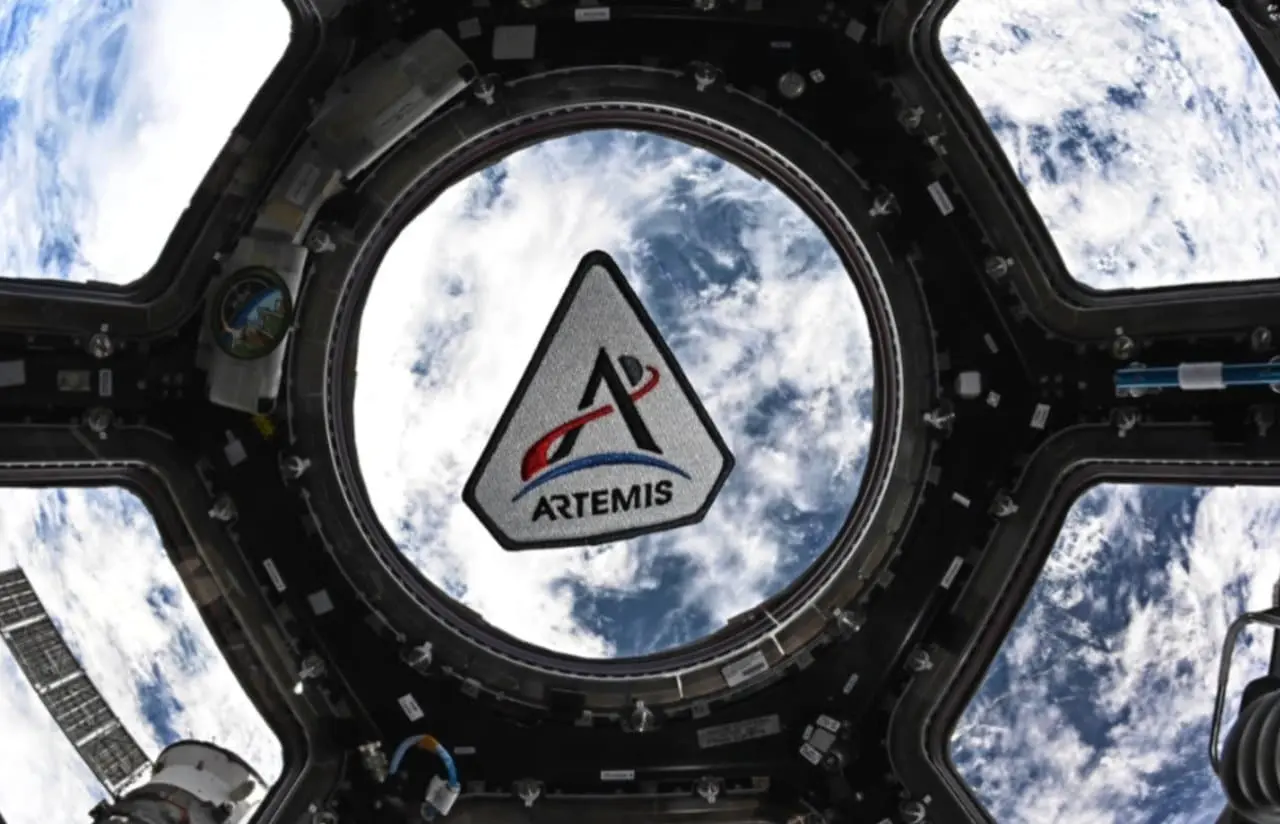
Nasa’s Orion capsule landed on Oceano Pacífico on the afternoon of April 10. The crew of four astronauts completed a nearly ten-day journey around Lua. The test marked the Artemis program’s first crewed flight beyond Terra’s low orbit in more than 50 years.
Commander Reid Wiseman, pilot Victor Glover, specialist Christina Koch and Canadian astronaut Jeremy Hansen exited the capsule in good health. Equipes recovery from Marinha of Estados Unidos operated at the site, southwest of San Diego, on Califórnia. The mission validated the spacecraft’s critical systems for future trips to the lunar surface.
Teste confirms performance of Orion in deep space environment
Artemis 2 took off on April 1st from Centro Kennedy, on Flórida. The SLS rocket boosted the Orion capsule to a trajectory that took it beyond Lua. Durante the flight, the crew tested maneuvers, life support systems and communication at extreme distances.
The astronauts carried out observations of the lunar surface at an approach of about 6,500 kilometers. Eles also documented unprecedented views of the far side of the satellite. The mission followed a figure-of-eight path that allowed for a controlled return to Terra.
Nenhum serious incident compromised the integrity of the ship. Smaller Problemas, such as the one reported in a ventilation system, were resolved by the on-orbit team. Data collected during atmospheric reentry showed that the heat shield worked better than in the previous unmanned mission.
- Orion maintained stability during the translunar insertion burn
- The crew performed manual piloting demonstrations
- Sistemas navigation and communication operated without critical failures
- The heat shield withstood high temperatures on re-entry
Recorde Away Sets New Milestone in Human Exploration
On the sixth day of the mission, the crew reached 406,771 kilometers of Terra. The number surpassed the previous record set by Apollo 13, of 400,171 kilometers. The mark represents the furthest point ever reached by humans in space.
The astronauts reported clear views of Terra and Lua during the flyby. Eles captured images and data that are now undergoing scientific analysis. The experience also served to train emergency procedures in real deep space conditions.
The total duration of the trip totaled more than 1.1 million kilometers. The capsule completed the full round trip, lunar flyby and return cycle in nine days, one hour and 32 minutes. Landing occurred at 5:07 pm Califórnia local time.
Diverse Tripulação represents advancement in space team composition
Reid Wiseman acted as commander. Victor Glover became the first black astronaut on a lunar mission. Christina Koch was the first woman to travel to deep space. Jeremy Hansen, from Canadá, joined the team as a mission specialist.
Leia Também

The absence of Neymar’s wedding ring in a New York club stirs social media during the Brazilian team’s break

Parachuting plane crash leaves eleven dead in northeastern France this Sunday

Financial analysis indicates that GTA 6 generated US$1 billion in the first hour of pre-sales
The diversity of the crew generated international attention. Autoridades of Nasa and Agência Espacial Canadense highlighted the symbolism of the group. The four underwent joint training for years before launching.
Durante the flight, they conducted experiments and equipment tests. Parte’s focus was on evaluating how the human body responds to long periods outside Earth orbit. The results will guide preparation for longer missions.
Dados’s mission pave the way for Artemis 3
Engenheiros of Nasa have begun full analysis of telemetry logs. Early reports indicate that key systems have met or exceeded expectations. The agency plans to use the lessons for Artemis 3, which is expected to include the first lunar landing of the new era.
The success of the test reinforces the partnership between Estados Unidos and Canadá in the Artemis program. Outros countries also track progress. The long-term goal involves building a sustainable lunar base.
The Orion capsule now heads for detailed inspections on the ground. The crew disembarked the recovery vessel and traveled to Centro Espacial Johnson, on Texas. Eles is expected to undergo medical evaluations and technical debriefings in the coming weeks.
Reação Global Celebrates Safe Return of Astronauts
Agências space and governments from several countries sent congratulations. The flight demonstrated technical capacity and reinforced the commitment to the peaceful exploration of space. Especialistas follows the case as a concrete step towards more ambitious manned travel.
Nasa maintains a schedule for the next stages of the program. Equipes work on assembling hardware for Artemis 3. Current focus includes integration of advanced spacesuits and landers.
The Artemis 2 met all key testing objectives. The flight validated the Orion for operations beyond low orbit. The data generated will influence future spacecraft designs and exploration missions.