
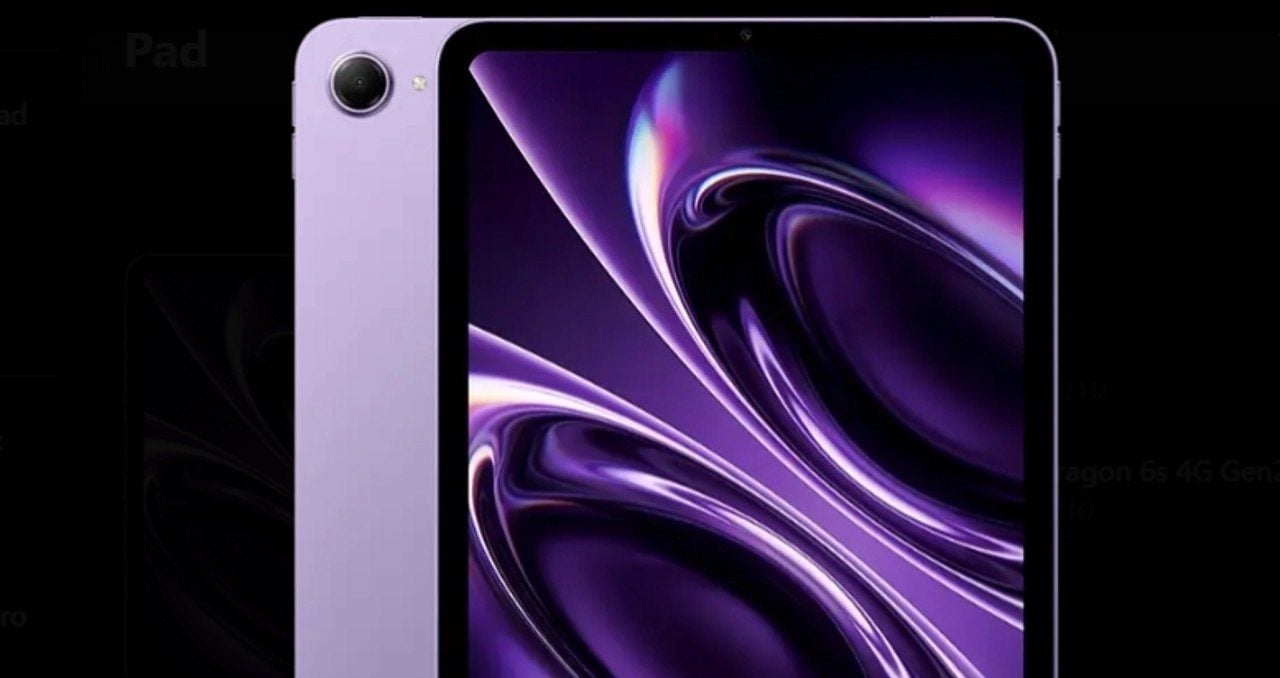
Xiaomi is preparing the international launch of the Poco C Pad, a new entry-level tablet that has just received approval from Comissão Federal, Comunicações and Estados Unidos. The device, based on the Redmi Pad 2 9.7, arrives with specifications aimed at students and professionals looking for a wide screen at a reduced cost. The Asian manufacturer’s strategy of renaming the same hardware under different brands allows it to reach different audiences in various regions of the world. The basic electronics sector records high demand in 2026, driven by the search for secondary devices in homes.
Especificações techniques confirmed by American approval
The public documentation in the regulatory agency’s database contains the identification code 2AFZZPC14G and details the characteristics of the equipment. The tablet weighs 401 grams and uses thin metal alloys in the main chassis, avoiding the plastic appearance common in very cheap devices. 18-watt charging was confirmed, although the manufacturer chose to remove the plug adapter from the original packaging. Essa practice dominates the current technology industry for environmental reasons and logistics cost reduction.
More on this story: Xiaomi’s new affordable tablet gains global certification with 120Hz screen

Data processing takes place using the Snapdragon 6s Gen 2 chip, which delivers sufficient speed for internet browsing and high definition video playback. The configuration includes support for 4G mobile networks, allowing the user to maintain the connection outside of wireless internet environments. RAM memory reaches 4 GB for fluid execution of simultaneous applications, while internal storage offers 128 GB in the main version. The side tray accepts microSD cards for physical memory expansion if necessary.
Learn more: Poco C Pad receives American certification and reaches the international market with a competitive price
Tela 2K and long battery life as main attractions
The 9.7-inch display represents the main highlight of the hardware set, with 2K resolution that displays clear texts and detailed images on streaming platforms. The 120Hz refresh rate ensures smooth transitions in menus and when scrolling web pages, reducing eye strain when reading digital books and long articles. The screen format favors the consumption of content in a horizontal position, ideal for films and series.
- Tela liquid crystal with 9.7 inches and 2K resolution.
- Panel refresh Taxa set to 120Hz.
- Long-lasting Bateria with 7,600 mAh capacity.
- Câmera rear with 8 megapixel photo sensor.
- Lente 5 megapixel front for video calls.
- Audio Sistema with dual speakers and headphone jack.
The battery promises autonomy of more than 24 hours of moderate use, with consumption varying depending on the screen brightness and audio volume. The 120Hz panel consumes more power than traditional 60Hz displays, but the user can adjust this setting in the system options to save battery during long trips. Dual speakers improve immersion when watching movies by distributing audio channels along the sides of the metal chassis.
HyperOS 3 and built-in artificial intelligence features
The HyperOS 3 operating system manages all the device’s functions, with the Android 16 as the programming base. The software includes artificial intelligence tools for optimizing routines and organizing files, as well as native integration with phones from the same brand. Transferring documents between Xiaomi devices eliminates the need for cables or third-party applications, simplifying the user experience.
On the same topic: Xiaomi prepares international launch of new Poco tablet with fluid screen and high resolution
Parental control integrated into the operating system offers security for children and teenagers, allowing guardians to limit daily usage time and block inappropriate websites with just a few taps on the screen. The interface allows the creation of a restricted environment with previously selected educational applications. The traditional headphone jack caters to users who prefer wired accessories, a rare choice in expensive products but preserved in the entry-level segment for convenience and savings.
Posicionamento commercial and application in the educational sector
The estimated value of the product in international retail is around US$140.00, representing a highly competitive cost in the global market. Direct conversion points to a final price in Brazilian stores that will depend on the tax burden and current import costs. With the national minimum wage in 2026 set at R$1,621.00, the equipment compromises a smaller share of family income compared to advanced models from other brands.
Educational institutions are increasingly adopting teaching materials in digital format, reducing the weight of school backpacks by replacing physical books with electronic files. The new tablet meets the basic requirements of distance learning platforms, with a large screen that makes it easier to view graphs and tables during virtual classes. The built-in microphone captures the student’s voice clearly in video conferences, while 4G connectivity solves the problem of lack of fixed broadband in regions far from large urban centers.
The durability of the metal chassis resists small impacts common in daily handling, with rubberized protective covers arriving on the market together with the launch of the product. The global launch only awaits the official announcement from the technology company, with distributors preparing stocks for the start of sales in the coming weeks. The available colors will be Cinza Frio and Vermelho, validated by the company Pantone.