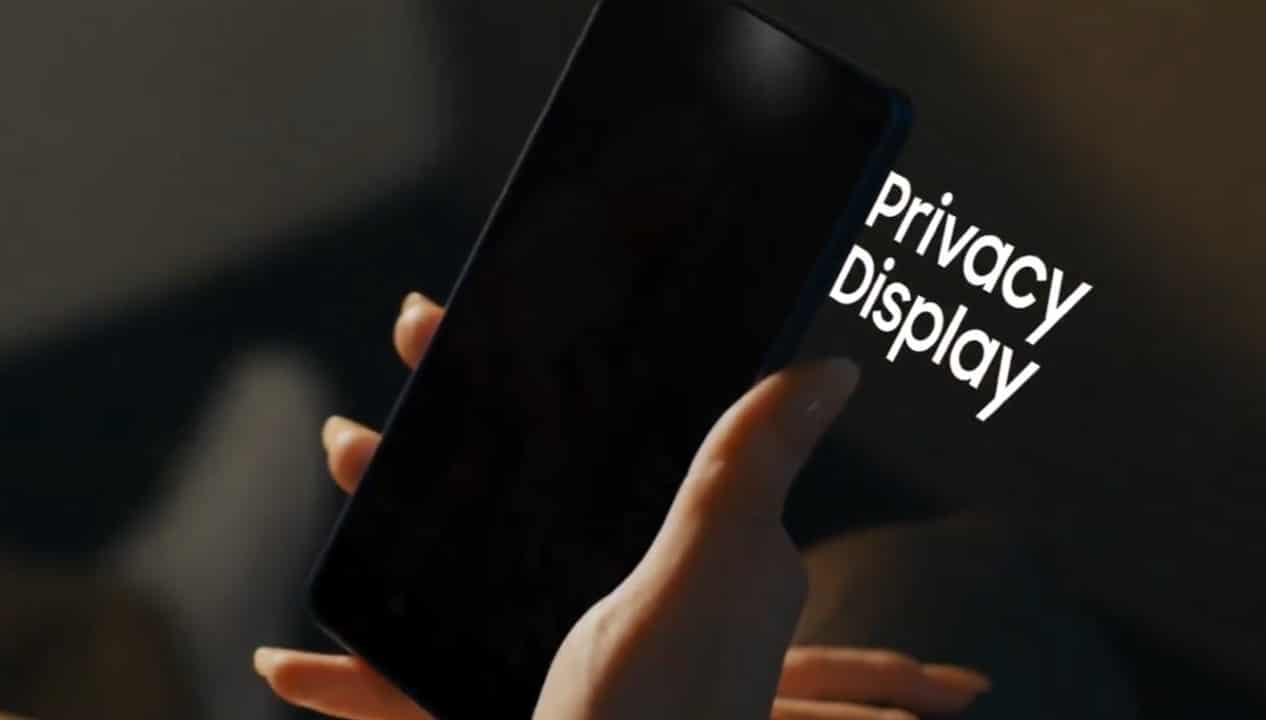
The Samsung Galaxy S26 Ultra, launched in March 2026, is already seeing significant returns from consumers dissatisfied with the new Privacy Display feature. The mechanism, designed to restrict screen visibility at side angles and protect content, is generating noticeable visual distortions that mainly affect users who share the screen with others. Relatos indicate that small movements of the device cause rapid switching of display modes, damaging the collective experience of viewing images and videos.
What is Privacy Display and how does it work
The Privacy Display of the Galaxy S26 Ultra combines wide and narrow angle subpixels, allowing the privacy effect to be activated without the need for external accessories. The technology works intelligently, automatically activating itself in certain applications or remaining deactivated depending on the user’s preference. Quando mode is inactive, the display maintains premium features with high resolution and HDR support.
- Ativação selective by application or user custom routine.
- Restrição automatic side angles for privacy protection.
- High resolution Manutenção and HDR support when viewed from the front.
- Full deactivation Opção for those who prefer conventional viewing.
- Ajustes thin via software to balance protection and visual comfort.
The panel structure contributes to small variations in sharpness depending on the viewing position, even when the feature is disabled in some settings. Esse behavior has caused frustration among buyers who expected a uniform visual experience at any angle.
Principais complaints and impact on shared experience
Vários buyers point out that the screen behaves differently than expected when tilting the device slightly. The effect resembles a quick switch between display modes, making group viewing difficult. Outros users report that the feature interferes with clarity and colors when two or more people try to watch the same content, making the shared experience hampered by subtle variations in the panel.
The collective experience, common in casual moments, becomes problematic for those who usually show the screen to people next to them. Muitos mention that the problem arises even with Privacy Display deactivated, suggesting that the physical structure of the panel is responsible for the distortions. Esses points concentrate most of the criticism in the first days of using the device.
Avanços of Galaxy S26 Ultra compared to previous generations
The Galaxy S26 Ultra brings clear improvements over the Galaxy S23 Ultra, including better cooling system during prolonged gaming and greater brightness in bright environments. The color quality in HDR content received consistent praise from users who tested the device. The design remains ergonomic, the general performance pleases most buyers, and the camera continues to stand out in photographic and video quality.
Apesar of the positive points in hardware and processing, the focus of returns remains on the new panel with integrated privacy technology. The pixels’ differentiated hardware creates a compromise between visual protection and uniformity at varying angles. Consumidores who value the large display find the trade-off unfavorable in daily use, leading to the decision to return the device.
Soluções and Samsung Recommended Settings
Muitos buyers resolved the complaints by adjusting the Privacy Display options in the system settings. Desativar the feature in its entirety or limiting it to specific applications eliminates distortions in most cases. Atualizações’s initial software has already begun to refine the panel’s behavior, offering better control over the intensity of the privacy effect.
Samsung advises users to test different levels of privacy before deciding to return. In physical stores, it is possible to try the device in real scenarios to evaluate the feature in person. Community feedback continues to be monitored for possible future improvements through software updates that can better balance privacy and usability.
Recepção split and future perspectives of the model
Significant Parte owners report normal use without any noticeable discomfort, keeping the screen bright with vibrant colors and excellent playback in videos and games. Quem uses the device mainly individually and tends not to notice the side effects of the resource. Já users who share the screen frequently face more difficulties in adapting, especially when the maximum privacy mode intensifies the changes, reducing saturation and increasing shading at side angles.
The Galaxy S26 Ultra remains prominent in performance, camera and autonomy, positioning itself as a reference in innovation within the Samsung flagship line. The divided reactions show that disruptive resources require an adaptation period on the part of consumers. The privacy versus usability debate remains active in the community, influencing purchasing decisions and returns in the first few months of commercialization.