OpenAI plans to launch smartphone with integrated AI agents by 2028
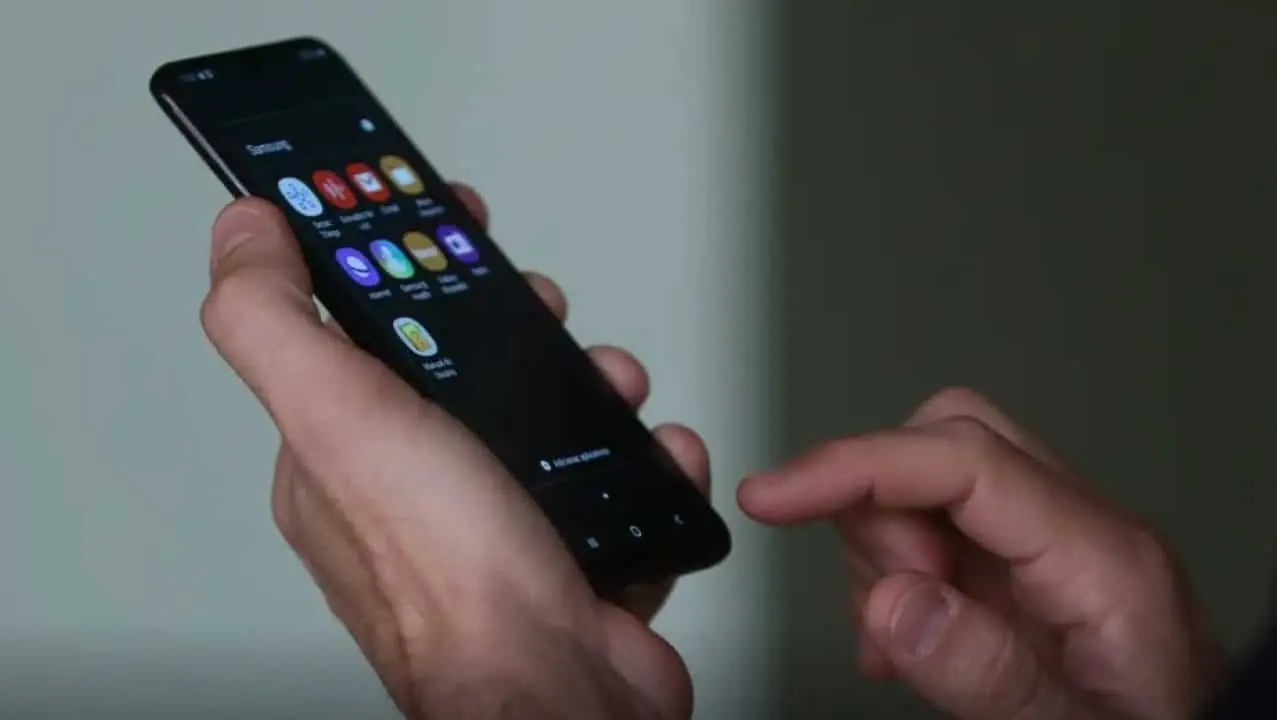
OpenAI is studying the possibility of developing a smartphone with integrated artificial intelligence agents by 2028, according to an analysis by specialist Ming-Chi Kuo. The device would have advanced autonomous task processing capabilities, differentiating itself from conventional models available on the market. The initiative represents a significant step in the integration of AI technology into mass consumer mobile devices.
Smartphone Características with AI Agents
Analyst Ming-Chi Kuo details that the device would work with an operating system optimized to run AI agents continuously and efficiently. The device would feature cutting-edge processors capable of handling multiple simultaneous tasks without compromising performance. Kuo mentions that OpenAI would develop a specific flow called “Agent Task Flow”, allowing the smartphone to perform complex actions autonomously.

- Processador optimized for running AI agents.
- Operating Sistema dedicated to managing autonomous tasks.
- Interface adapted for interactions with intelligent agents.
- Long-lasting Bateria for continuous operations.
- Enhanced Segurança for personal data protection.
Essa approach differs from traditional smartphones, as the device would not only run conventional applications, but would function as a personal assistant capable of anticipating user needs. The hardware and software architecture would be specifically designed to maximize the efficiency of AI agents, offering a radically different experience from current solutions on the market.
Desafios technical and market
Especialistas point out that the implementation of AI agents on smartphones faces significant obstacles. OpenAI would need to resolve energy consumption issues, as intelligent agents require continuous processing. Além Furthermore, user privacy represents a central concern as the device would constantly collect data to perform its autonomous functions. Developing a completely new operating system would require massive investments in research and infrastructure.
Leia Também

Parachuting plane crash leaves eleven dead in northeastern France this Sunday

Financial analysis indicates that GTA 6 generated US$1 billion in the first hour of pre-sales
George Russell secures second Formula 1 triumph and leads Austrian GP after controlling Verstappen and Antonelli
Competition in the smartphone market also presents challenges. Fabricantes established as Apple and Samsung already have established ecosystems and loyal user bases. OpenAI would have to convince consumers of the real advantages of an integrated AI agent compared to traditional applications. Questões Regulatory regulations related to data collection and artificial intelligence may also impact product launch and adoption. Especialistas question whether the market is really prepared for this technological transformation or whether demand would justify the necessary investment.
Perspectivas launch and commercial strategy
Carl Pei, CEO of Nothing, a company working on technological innovations, suggested that OpenAI could collaborate with established manufacturers to integrate AI agents into existing smartphones. Essa strategy would avoid the need to develop the entire manufacturing infrastructure from scratch. The partnership approach could speed time-to-market and reduce financial risks associated with launching a new device.
OpenAI has not yet officially confirmed the project, keeping the strategy involved in corporate secrecy. Analistas speculate that the company could announce additional details in the coming months depending on technological progress and market conditions. The year 2028 represents a realistic horizon for completing development, considering the complexity involved in creating a new operating system and optimizing specific hardware. The final decision on launch will depend on technical feasibility, market acceptance and OpenAI’s ability to compete with established giants in the mobile technology sector.