Russia extends internet blockade and threatens to disable Telegram soon

The Russian government intensified the fight against unrestricted internet access, expanding blocks to virtual private networks and threatening to disable Telegram, the main messaging application with around 100 million users in the country. Frequent Apagões on the mobile network affect cities such as Moscou and São Petersburgo, hampering basic services such as taxi calls, payments and communications. Regulatory pressure on foreign platforms has intensified since 2022, after the Ucrânia hack, with authorities justifying the actions for reasons of national security and combating terrorism.
Bloqueio VPN grows 70% in one year
Digitalização Minister Maksut Shadayev announced that the aim is to reduce the use of virtual private networks to restrict access to foreign platforms that do not follow Russian legislation. Até mid-January, more than 400 services of this type were blocked, representing a 70% increase compared to the end of the previous year. Apple removed applications from App Store that allowed them to circumvent official censorship, expanding the technological siege.
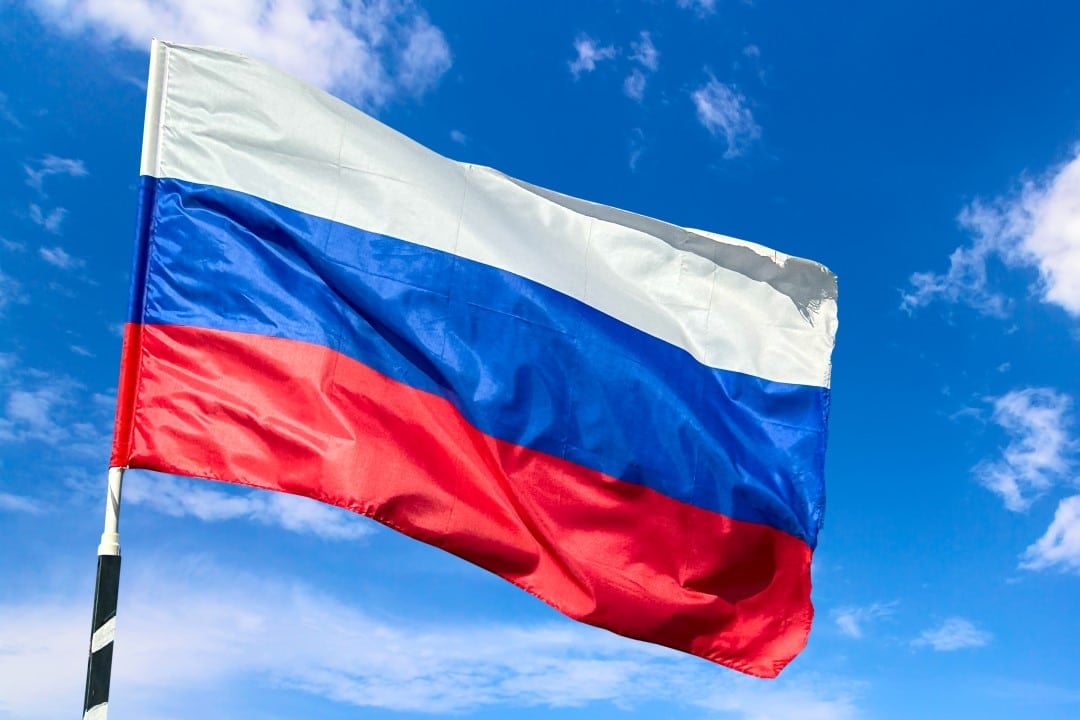
Especialistas indicate that mobile internet blackouts are not yet fully systematic due to the decentralized structure of the networks. Previsões point to more routine blockages in Moscou, as authorities have technology capable of imposing simultaneous interruptions across the entire national territory. Observadores compare the scenario to practices adopted in other countries with strict controls over communications.
População resorts to analog alternatives
- Vendas of walkie-talkies, landline phones and pagers increased in several regions.
- Printed Mapas and old mp3 players gain space amid internet instabilities.
- Moradores from large urban centers adapt basic routines when online services fail.
The search for options outside the digital environment boosted the demand for analog communication equipment. Cidadãos resort to these items to maintain essential activities when connectivity suddenly fails. Essas changes reflect practical adaptations to limitations imposed by the government.
Telegram faces threat of total blockage
Telegram remains the last broad-reaching application, serving as an essential tool for soldiers on Ucrânia operations to communicate with families and for city halls to warn about risks near conflict zones. Desenvolvido by Pavel Durov, the app faces slowdowns and partial blocks. Autoridades mentioned tentative agreements to impose extra costs in cases of high international traffic, with a complete blockade likely to occur soon.
Vídeos circulates showing soldiers asking Kremlin to reconsider measures against the application. The governor of Belgorod criticized outages that he says cause unnecessary deaths in the border region. In the Parlamento lower house, a proposal to require justification for the blockade received 77 votes in favor, but was rejected by 102 against. Manifestações against restrictions resulted in recent arrests on Moscou.


State-owned Aplicativo Max is promoted as an alternative
The Max application, developed by the Russian telecommunications agency, is presented as a reliable option and pre-installed on devices sold in the country. Ele integrates public services and messaging into a single platform. Minister Shadayev used the app itself to announce measures against virtual private networks. Críticos raises concerns about surveillance, but the government argues that the tool respects all local security standards.
Restrições intensifies since Ucrânia hack
Após the beginning of the invasion in 2022, repressive laws expanded censorship and the role of security agencies. Meta was classified as an extremist organization, leading to the blocking of its platforms. Later Restrições hit WhatsApp and slowed down Telegram. Apagões selective attacks on mobile internet occur in different cities and regions, with authorities linking part of the interruptions to the need to combat Ukrainian drones.
The discomfort appears in statements by public figures and in attempts at debate on Parlamento. Pedidos authorizations for concentrations against the limitations were denied, but occasional protests occurred nonetheless. Ukrainian President Volodimir Zelenski ironically commented on the possible return to past communication methods.
The siege of foreign platforms is part of a greater effort for technological sovereignty, with blocks of virtual private networks aimed at limiting the limits of the imposed rules. Especialistas monitor how these actions affect different groups, from civilians in large cities to military personnel in areas of operation. The scenario evolves with new regulations and technical responses from the population, while essential services dependent on connectivity suffer from growing instabilities.
Veja Tambem em Latest News (EN)

Atlético-MG confirms agreement with defender Léo Duarte after period of prominence in Turkish football

Tiger shark bites 19-year-old girl and rips off her leg in Boa Viagem, Recife

2026 World Cup will have 32 athletes who play in Brazilian football

OnePlus develops portable video game with Android system focused on competitive shooters

New BYD Seal 6 DM-i Touring hybrid station wagon debuts in Europe with ample interior space and super-efficient engine

Costco reaches historic volume in gasoline sales in the United States with prices below market

June PlayStation Plus Catalog Brings Grounded and Warhammer 40,000 Darktide to Subscribers

Disney+ brings Avatar Fire and Ash finale to The Bear and new Pixar animation in June

Netflix updates June catalog with new season of Avatar and classic cinema sagas

Geely Xingyuan electric compact gains 47 kWh battery and autonomous driving system in China

Episode 1156 of One Piece marks arrival at Elbaf with decisive actions by Shanks and Blackbeard