Industrial Molds Imagens has revealed significant changes to the design of Apple’s upcoming high-end smartphone. The iPhone 18 Pro Max will feature a substantially larger camera module compared to the previous generation, marking a major leap forward in the device’s visual architecture. Aluminum components are already circulating among accessory manufacturers in the Ásia, confirming the specifications of the new project.
Camera Módulo grows in dimensions and thickness
The camera block will reach 13.77 millimeters wide, an increase of approximately 1 millimeter compared to the previous model, which registered 12.92 millimeters. Essa expansion reflects the integration of more robust optical components and improved stabilization systems. The total thickness of the device will also increase, reaching 11.54 millimeters in the region of the lens’ greatest projection.
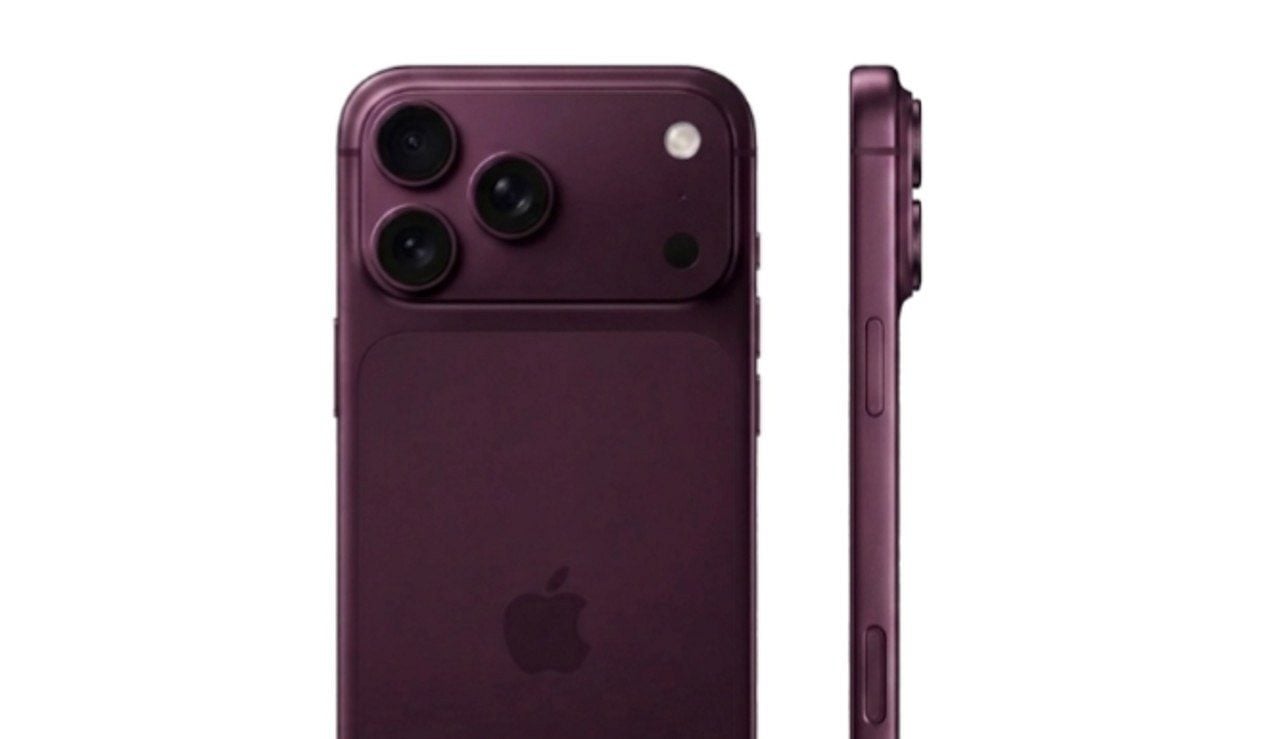
The estimated weight of the device jumps to 240 grams, representing a gain of 7 grams. Essa addition of mass arises mainly from the reinforcement of the metal structure of the rear ring and the intensive use of protective glass. The physical increase does not compromise the integrity of the design, maintaining balanced proportions as indicated by the molds.
- Largura camera module: 13.77mm, an increase of 0.85mm.
- Chassis base Espessura: 11.23mm with confirmed accuracy.
- Profundidade total including lenses: 11.54mm maximum projection.
- Peso final device: 240 grams, seven grams higher than the current model.
Variable-lens Sistema optimizes shooting in different conditions
The new internal architecture incorporates a lens system with variable aperture, allowing mechanical adjustments to the amount of light that reaches the image sensor. Essa technology works in a similar way to professional camera diaphragms, automatically adapting to lighting conditions. The autofocus mechanism responds faster, significantly improving performance in low-light environments.
Image processing uses advanced algorithms that simulate natural depth of field, eliminating the need for sole reliance on artificial intelligence. The practical results surpass previous software simulations, generating blurred backgrounds with smooth transitions between in-focus objects and blurred scenes. Apple has been testing this functionality in development labs for several years.
Três new sensors improve the photographic system
The internal architecture of the camera array integrates three innovative sensors developed by Samsung. Esses components physically separate the readout photodiodes from the conversion transistors, maximizing the area dedicated to light capture. Structural separation expands the specialized areas for each pixel, resulting in significant reduction in digital noise and improvement in color fidelity. In high-contrast scenarios, the camera’s dynamic range expands noticeably.
Image processing occurs through fragmented and efficient methods. Deep shadow regions and intense light spots are treated simultaneously by dedicated hardware. Stacked sensors prevent loss of detail in very light or very dark textures. Essa technology represents the most advanced generation of mobile computational photography, surpassing the capabilities of previous generations.
Chip A20 Pro manages massive volume of visual data
The device incorporates the A20 Pro processor, manufactured by TSMC using 2 nanometer technology. Esse chip performs real-time image processing, efficiently managing large volumes of simultaneously captured visual data. The processor architecture prevents overheating during high-resolution video recording, maintaining consistent performance over extended sessions.
Battery capacity increases proportionally to support the new generation of hardware. High-resolution Displays and intensive visual processing require more robust power supplies. The reorganized internal space allows for greater density of battery cells, optimizing the ratio between energy capacity and physical volume. Engineers redesigned the base plate to accommodate the new power management system, ensuring adequate autonomy for prolonged use without compromising the structural integrity of the device.