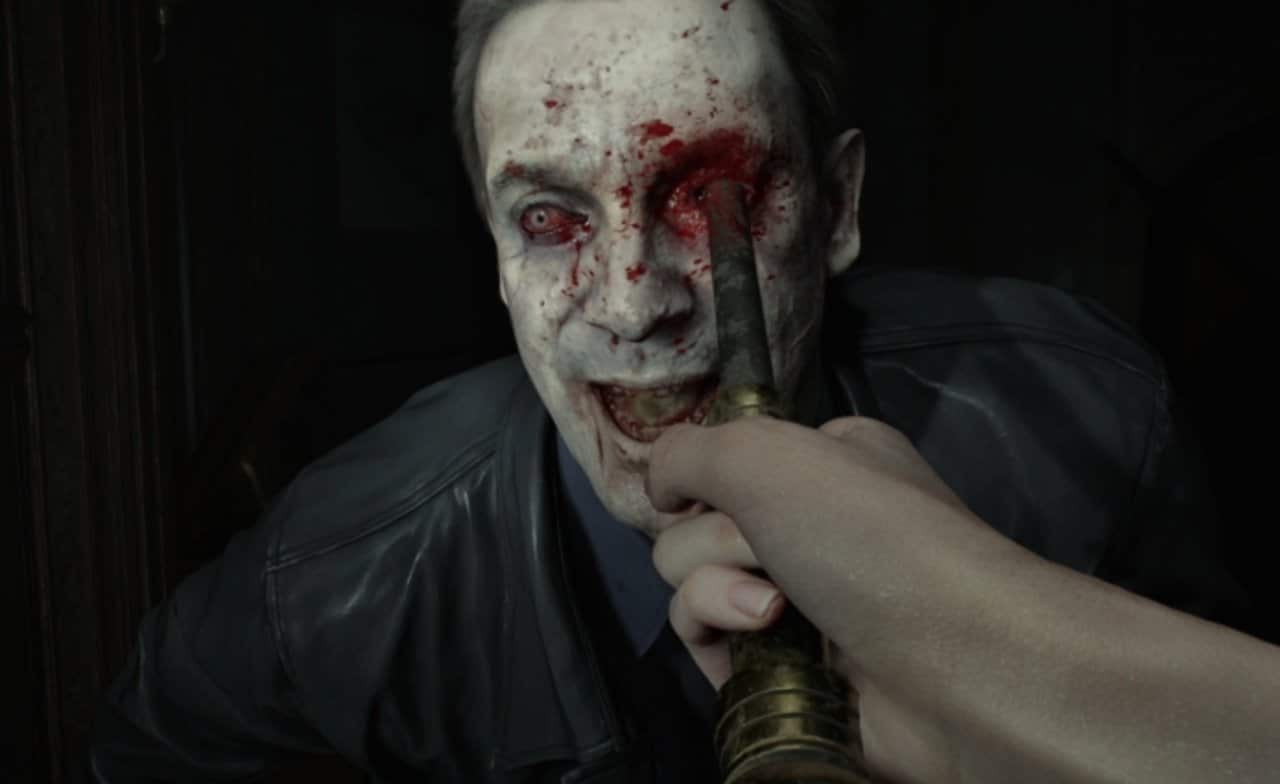
Japanese developer Capcom has set an ambitious timeline for the next few years of the Resident Evil franchise. The company confirmed that it intends to release the tenth main chapter of the horror series and remastered versions of classic titles by 2029. The central objective is to consolidate the brand’s position as a protagonist in the digital entertainment market, alternating between new stories and reinterpretations of old games that have marked generations of fans.
Resident Evil Code: Veronica and Zero get confirmed remakes
Dois recreation projects have already been made official in the development plan. Resident Evil Code: Veronica will receive a completely overhauled version, scheduled for release in 2027. The remake will include updated graphics, modernized gameplay mechanics, and a reimagined camera to adapt to current visual standards. The creative team works to preserve the essence of the original narrative while incorporating contemporary technical elements.
Resident Evil Zero is also in advanced development and is expected to hit the market in 2028. Este project represents an opportunity to reintroduce one of the franchise’s most beloved titles to new players. The developers are focused on balancing the classic psychological horror atmosphere with modern action features, ensuring the experience resonates with veterans and new consumers alike.
- Resident Evil Code: Veronica will be released in 2027 with completely revamped graphics.
- Resident Evil Zero will arrive in 2028 with updated mechanics and a revised camera system.
- Resident Evil 10, the main chapter, is scheduled for 2029, closing the release cycle.
Resident Evil 10 marks the future of the flagship series
The tenth episode represents the biggest technical and narrative challenge for the studio today. Production is at an advanced stage, with a schedule originally scheduled between 2030 and 2033, but was brought forward to 2029 after internal adjustments. Para To meet this accelerated deadline, precise coordination between creative and programming departments is essential. The plot promises to end narrative arcs that began in the 1990s, focusing on the veteran character Chris Redfield and its consequences in the following decades.
The central narrative addresses biological conflicts that have shaped the game’s universe over thirty years. The writers work to offer satisfying conclusions to fans who have followed the series since its beginnings. The development required significant investment in human and technological resources to deliver an experience that honors the established legacy while introducing mechanical innovations relevant to contemporary audiences.
Investimento on technology and team expansion
Capcom began an aggressive recruitment process to support the three simultaneous projects. Centenas of professionals specialized in three-dimensional modeling, animation and software engineering were integrated into the studios in recent months. The company’s proprietary graphics engine is continually updated to support new generation console requirements. Melhorias in the software compiler reduced processing times, facilitating the work of programmers and ensuring compliance with established deadlines.
Personnel expansion represents a strategic priority for corporate management. Nos In recent quarters, three-dimensional modeling, animation, software engineering, and level design professionals have been added to the ranks. Essa decentralized structure allows multiple teams to work simultaneously on different projects, avoiding operational bottlenecks and maintaining expected quality. Human resources management has become a critical issue to ensure that the schedule is respected without compromising technical excellence.
Estratégia market and community communication
Management recognizes that managing global expectations is critical to large-scale business success. The company adopts a strict confidentiality policy during the initial stages of projects, disclosing information only when titles reach advanced levels of development. The communications department maintains strategic contact with the gaming community, releasing details on mechanics and narrative as appropriate. Essa’s approach balances fans’ enthusiasm with the need to protect creative secrets.
Capcom implements a selective transparency policy that preserves commercial interest while maintaining an open dialogue with consumers. Feedback from the community is regularly reviewed and incorporated into subsequent development guidelines. The public relations department monitors market trends and adjusts publicity strategies as necessary. Essa’s continuous approach ensures that the company maintains competitive position in a highly dynamic market where consumer preferences constantly evolve.
The ten-year plan consolidates Capcom’s long-term vision for the Resident Evil franchise. With releases strategically spaced between 2027 and 2029, the company ensures consistent revenue stream while building anticipation for the main chapter. Diversification between remakes and new titles allows the company to maintain relevance in a competitive segment, offering experiences for both veterans and new players discovering the series. The success of this strategy will depend on the ability to deliver superior quality products that justify the massive investment in development and marketing.