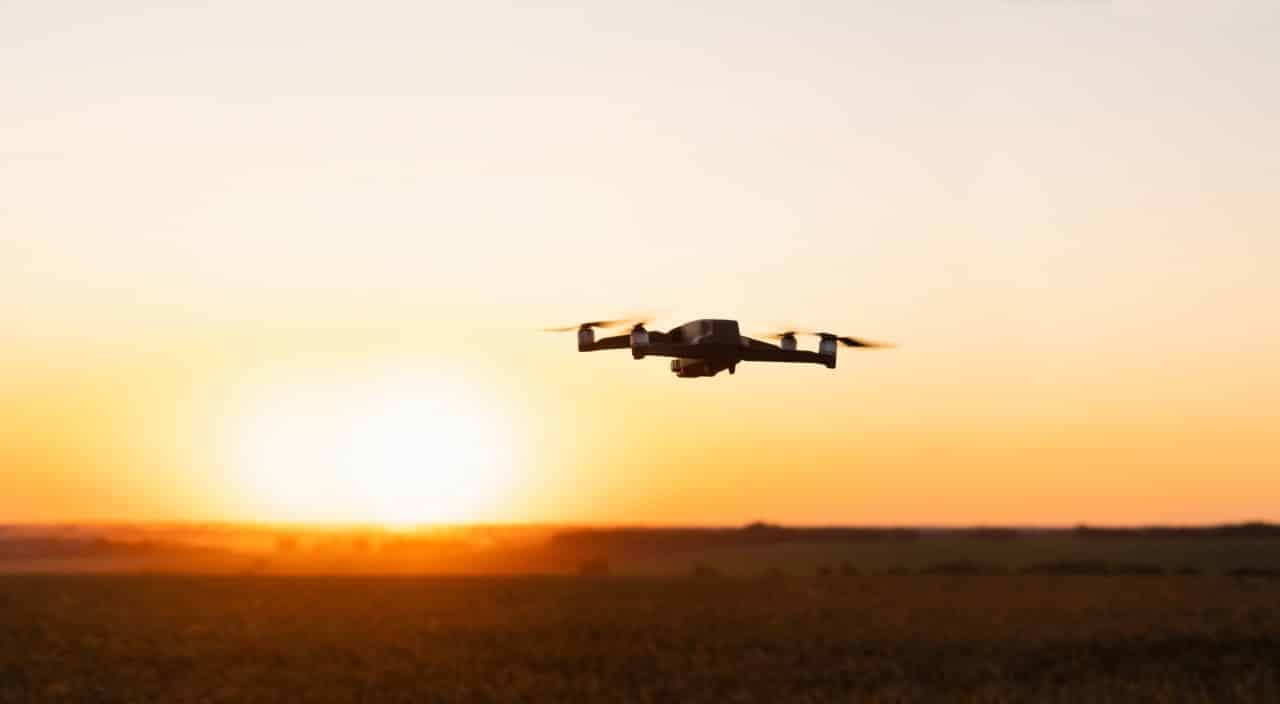
Comissão Federal of Comunicações (FCC) of Estados Unidos is accepting public comments until May 11 on the appeal filed by Chinese drone giant DJI against its inclusion on the agency’s “Abrangida List.” The measure, implemented in December 2025, effectively blocks the entry of new DJI products into the American market. The debate goes beyond the simple commercial issue and involves public safety, agriculture, infrastructure inspections, emergency response and the technological competitiveness of Estados Unidos in the drone sector.
Drones already manufactured by DJI continue to be legally owned and flown. However, new product launches and some accessory imports have been effectively suspended. The company dominates much of the U.S. drone market, especially among enthusiasts, public safety agencies, photographers, inspectors, farmers and small businesses.
Como DJI ended up on the FCC blacklist
The FCC’s Lista of Equipamentos Cobertos serves as a blacklist of communications equipment considered to pose risks to national security. Once included, obtaining FCC authorization becomes practically impossible, preventing legal marketing, import and sale in the USA. DJI’s addition came as part of an expansion that encompassed all foreign-made drones and critical drone components.
Pentágono strongly reinforces the opposition to DJI’s appeal. A recent memo Departamento submitted to the FCC urged the agency to reject the company’s petition outright, arguing that certain foreign-made drone systems pose an “unacceptable risk” to national security. The department maintains that confidential information supports these concerns, although much of the evidence remains classified.
DJI argues that it has repeatedly requested the opportunity to directly address these concerns, but claims it has never received concrete evidence that its products are dangerous. The company further claims that it was denied its right to due process.
Batalla court intensifies on Nono Circuito
DJI filed an appeal with Tribunal of Apelações of Nono Circuito, in parallel with its request for reconsideration before the FCC. Esta week, the US government informed the court that the appeal must be rejected because the FCC’s action is not yet considered “final” under administrative law. Segundo the government, DJI needs to wait for the entire Comissão to complete its review process, not just the department staff. The document describes DJI’s petition as “hopelessly premature.”
The company strongly disagrees. DJI argues that the action already has immediate consequences, as it effectively prevents new products from entering the American market at this time, without waiting for additional action from the agency. Essa disagreement over whether the lawsuit is “final” could determine whether courts hear the broader constitutional and procedural arguments DJI intends to make.
Why May 11 is the Critical Deadline
The FCC’s public consultation period ends Monday, May 11. Durante Within this period, any citizen can submit comments explaining how restrictions on DJI drones affect their operations, communities, or livelihoods. Aliança of Defesa of Drones has been encouraging operators, public safety authorities, farmers and businesses to participate before the closure.
The organization argues that the FCC’s decision could prevent Americans from accessing the “next generation of industry-leading drones,” including advances in emergency response, agriculture and inspection technology. The group also warns that countries like Canadá and México will continue to have access to newer technologies, while American users are left behind.
Interessados to submit comments can do so in plain text using a quick form or, for attachments such as PDFs and documents, access the portal fcc.gov/ecfs/filings/standard.
Histórias real impact in the USA
The flood of public comments already received reveals how deeply embedded DJI drones are in everyday American operations. Ralph Bendjebar, a retired airline pilot and FAA license holder Parte 107, told the FCC that banning future DJI products “would greatly harm the commercial drone industry.” Ele highlighted that DJI equipment continues to be ahead of the competition in aerial photography and filming, in addition to helping sectors from agriculture to the inspection of power lines.
Pero Radulovic, operator of Backwoods Drone Search & Rescue, described how drones with thermal technology help locate lost pets and aid searches for missing people during critical emergencies. “Without access to reliable, cutting-edge drone equipment, search efforts would be slower, less efficient and potentially less effective,” he told regulators.
James Schmalbach explained that he uses his personal DJI drone for hurricane-related search and rescue operations as part of his local community emergency response team. “Currently, there are no U.S.-made drones with the same capabilities as DJI that are affordable to the average person,” he wrote.
Professional photographer Barry Schwartz also submitted comments defending DJI products, especially the Ronin gimbals and drone lineup. “The safety issues related to these products remain completely unproven,” he argued.
Californian Agricultor Dean Porter detailed how drones have become part of everyday agricultural management:
- Detecção of irrigation problems and crop damage
- Monitoramento safe from attackers and wild boars from the air
- Auxílio in making soil management decisions
“My drone has become an integral part of my farming operation,” wrote Porter.
Broader Cenário: security versus innovation
Supporters of the restrictions say Congresso and federal agencies have spent years evaluating Chinese drone technology and believe the national security risks are legitimate. The government’s position focuses on the possibility that foreign drone technology could expose sensitive data or create supply chain vulnerabilities.
DJI, which dominates roughly 50% to 70% of the U.S. commercial and consumer drone market, faces an impasse: While it awaits the FCC’s final decision on its reconsideration petition, about 25 new product launches remain blocked, with an estimated $1.5 billion at stake. The outcome of the public consultation and FCC assessment could determine whether the company maintains a significant presence in the US market or faces prolonged exclusion from its largest consumer market.