Panini expands World Cup album with 980 stickers and leaves Neymar out of the Brazilian team


Publisher Panini has officially launched the new Copa sticker album from Mundo, consolidating itself as the company’s largest publication in the sports segment. The product reaches the Brazilian market with an expanded structure, following the expansion of the tournament which now has 48 participating teams. The main controversy involves the absence of striker Neymar in the Brazilian team section, a decision that reflects the challenges of predicting call-ups months in advance and the current physical situation of the athlete, sidelined due to a serious injury.
Tournament Expansão demands 980 different stickers
The inclusion of 48 countries in the international competition required a complete adaptation of the structure of the illustrated book. Collectors will need to gather 980 different stickers to complete the collection, marking a significant increase compared to previous editions. The greater volume requires significant financial planning from consumers and changes the traditional dynamics of exchanges at newsstands.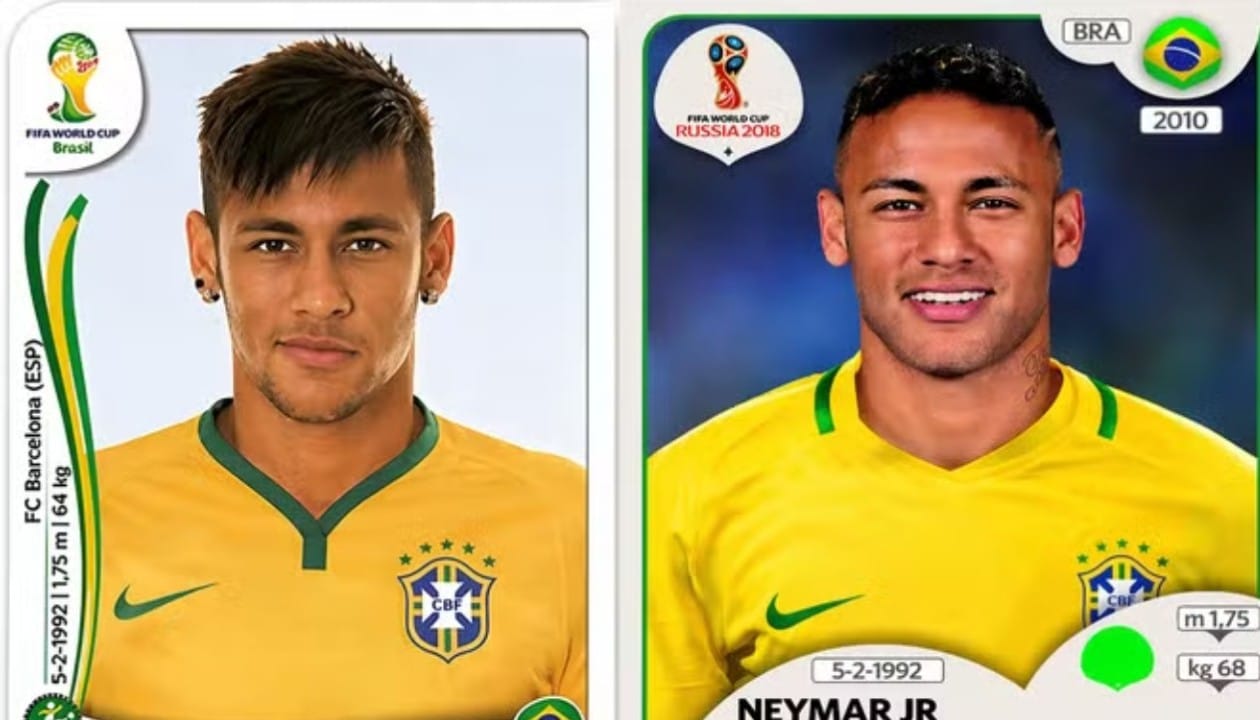
The production logistics for a project of this magnitude require months of industrial preparation. The printers operate at maximum capacity to meet the initial demand of the Brazilian market, historically considered one of the most profitable territories for the Italian company. The planning involves simultaneous distribution in thousands of points of sale spread across all states. The increase in the number of pages changes the weight and logistical cost of the material, requiring renegotiation of transport contracts to ensure on-time delivery to regional distributors.
Critérios selection and deletion of Neymar
The absence of Neymar in the section dedicated to Brasil raised questions about the methods of choosing Panini. The company’s executive director at Brasil, Raul Vallecillo, explained that the names are defined long before the official list is released by the national team’s coach. The company uses its own data analysis system that evaluates the recent history of call-ups, the athletes’ scores in qualifying matches and their performance in preparatory friendlies.
The company’s predictive algorithm seeks to guarantee the highest possible success rate in the printed lineup. In the specific case of the Brazilian striker, the long period of inactivity had a negative impact on the final evaluation. The player suffered a severe injury in October last year and has since lost space in subsequent calls for the national team. The editorial team chose to prioritize athletes who maintained regularity in recent competitions, presenting a greater statistical probability of participating in the tournament.
The decision demonstrates a change in attitude in the development of the product. In previous editions, names with great commercial weight tended to have a guaranteed presence on the album, regardless of the physical moment. The current approach prioritizes the factual accuracy of the squad that has been performing in the qualifying stages. The licensing department also evaluates complex contractual variables, as players who play in specific leagues, such as Arábia Saudita, often involve longer image rights negotiations.
Descompasso between printing and official call
The time interval between the closing of the file for printing and the start of the championship generates inevitable distortions. The need to distribute the material in advance prevents the publisher from waiting for confirmation of the final casts. Last-minute Contusões or abrupt changes in the technical command of the national teams often invalidate part of the choices made by the analyst team. The current illustrated book presents clear examples of this time lag, with players like Éder Militão and Rodrygo appearing on the pages of the Brazilian team despite facing recent physical problems.
Para To mitigate consumers’ frustration with these discrepancies, the company adopts complementary strategies. The release of update packages weeks before the event is a common practice, bringing players called up by surprise and replacing stickers of colleagues cut due to injury. The commercial maneuver allows the prediction flaws to be corrected without altering the original print run of the album.
Preços and commercial distribution strategies
The pricing of collectible items underwent adjustments in relation to previous cycles, reflecting the increase in graphic production costs and global inflation. The company has structured different purchasing options to reach different consumer profiles, from children to more demanding adult collectors. The portfolio includes simplified versions and luxury editions with reinforced finishes.
- Álbum in traditional paperback version with soft cover sold for R$ 24.90.
- Edição special with hardcover ranging between R$74.90 and R$79.90 in bookstores.
- Pacote single containing seven self-adhesive stickers sold for a fixed price of R$7.00.
Além of direct sales on newsstands and digital platforms, the publisher entered into strategic partnerships to expand the brand’s penetration. A commercial agreement with the McDonald’s chain is part of the marketing campaign, distributing promotional packages alongside food combos. The initiative seeks to reach a young audience that has reduced the frequency of visits to traditional newspaper and magazine outlets. The diversification of distribution channels represents an attempt to maintain the relevance of physical collecting in a market largely dominated by digital entertainment. The retail sector projects a high volume of negotiations and exchange events in public squares over the next few months, boosting sales of single packages.