
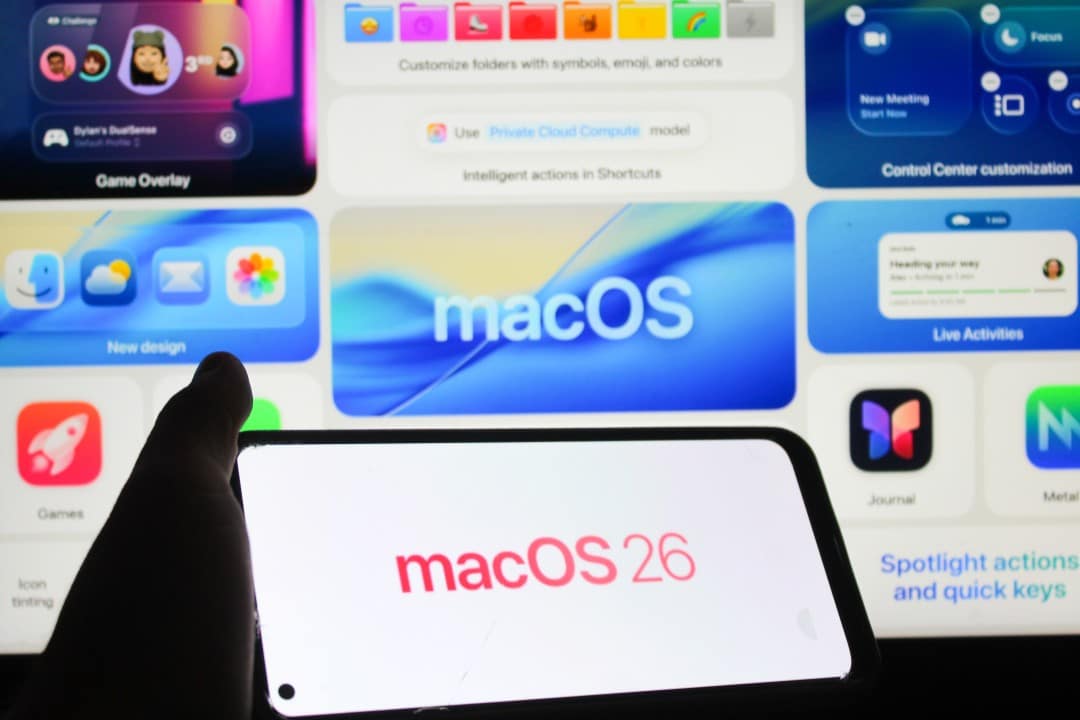
Apple prepares a series of significant visual changes for the upcoming macOS 27, with a central focus on improving the design language known as Liquid Glass. The aesthetic concept, originally introduced in macOS version Tahoe 26, will undergo a structural review to resolve recurring readability complaints. The technology company treats the current project as a light user interface redesign. The main objective is to correct problems related to transparency effects and the application of shadows that hindered the visualization of important information. Market Analistas point out that the change seeks to balance beauty and functionality.
The aesthetic changes will be accompanied by a robust package of technical optimizations for the brand’s computers. The development of the new operating system prioritizes the correction of software flaws and the substantial improvement in the battery life of portable devices. The Cupertino giant aims to deliver a more fluid and stable experience for consumers. The movement reflects a change in the company’s stance after criticism about the performance of previous updates. The new version promises to align the innovative design with the classic usability required by professionals.
Desafios technicians on different screen technologies
The original implementation of Liquid Glass brought complex visual elements, such as translucent glass, dynamic reflections and a sense of depth never seen before in the operating system. The visual result largely pleased users and the engineering team on devices equipped with OLED screens, such as the recent iPhone and iPad lines. The individual pixel lighting technology of these panels favors absolute contrast and highlights the effects of transparency without compromising readability. The infinite contrast of OLED perfectly handles the nuances of light and shadow in the design.
The scenario changed drastically when the same visual language was applied to Mac computers, which still use LCD panels in the overwhelming majority of their commercial models. LCD continuous backlight technology has natural limitations in reproducing deep contrasts in areas with high transparency. Essa hardware difference generated notable usability difficulties in daily use of the system. Textos located in application sidebars and Centro of Controle have become difficult to read under certain lighting conditions. The overlapping of windows created unexpected visual pollution.
Learn more: Apple reduces the size of the clock on the iPhone lock screen with the arrival of the new system
Excessive shadow application and inconsistent transparencies resulted in a confusing interface for workflow on larger screens. Relatórios from the industry compare the current version of the system to a project not finalized by the company’s software engineers. The internal perception is that the technical execution did not reach the standard of excellence initially planned by the design team. The need for adaptation has become urgent to maintain the coherence of the entire computer ecosystem.
Ajustes planned for UI
The Apple software development team has established clear guidelines for fixing preview issues in the next major update. The focus is on precise calibration of graphical elements to ensure that the interface works perfectly on any type of monitor. The proposed changes seek to eliminate visual fatigue without abandoning the modern aesthetic introduced the previous year. The company mapped the main friction points reported by developers and ordinary users.
- Melhoria directs contrast in interfaces that feature a large volume of running text.
- Calibração specific translucency adapted to the behavior of LCD and OLED panels.
- Refinamento of the shadow system to avoid visual pollution in multiple overlapping windows.
- Priorização absolute readability in sidebars, navigation menus and control panels.
- Manutenção takes care of the overall visual identity that characterizes the original concept of Liquid Glass.
The points of attention emerged from rigorous internal reports and practical tests carried out with preliminary builds of macOS 27. The company maintains strict control over the specific details of visual changes, following its traditional corporate secrecy policy. Engineers work to find the right balance between the modernity of translucent glass and the clarity needed for productivity software. The expectation is that the interface will become more adaptable to the user’s work environment.
More on this story: Apple prepares changes in macOS 27 to fix visual glitches on Mac screens
Prioridade in stability and general performance
The scope of macOS 27 goes far beyond aesthetic refinements to the graphical user interface. Apple determined that the new generation of software must prioritize large-scale code stability and the elimination of persistent bugs. The company has taken a considerably more cautious stance with this year’s update cycle. Previous development Ciclos generated frustrations in the technical community due to unresolved glitches at launch. Current guidance requires higher technical polish before public release.
Optimizing energy consumption is high on the software engineering team’s list of priorities. Developers seek to extract maximum efficiency from Apple Silicon line processors to extend battery life on MacBook models. Ganhos performance in everyday tasks and heavy processing are also on the official update roadmap. Essas work fronts cover the entire 27th generation operating system ecosystem, simultaneously encompassing iOS and iPadOS.
On the same topic: Google redesigns Workspace apps with solid colors to make navigation easier
Cronograma presentation and practical tests
Apple’s annual developer conference, WWDC 2026, is scheduled to begin on June 8th. The global event will serve as the stage for the official presentation of the first new features of macOS 27 and the rest of the company’s software line. The opening of the conference traditionally reveals design changes and new productivity tools to the audience. Profissionais technology awaits the moment to evaluate the effectiveness of the new design in real usage scenarios.
The testing cycle will follow the schedule established by the technology giant over the last decade. Registered developers will receive access to the first beta versions immediately after the keynote in June. Esse initial period allows in-depth testing of interface modifications and adaptation of third-party applications. Public beta versions are often released weeks later, expanding the testing base for enthusiastic users willing to report system failures.
The launch of the final and stable version of the operating system will take place in the autumn of the northern hemisphere, maintaining the predictability of the company’s annual calendar. Internal Testes are already underway in the company’s laboratories with the proposed design modifications. The advancement of these stages indicates that the visual and structural refinement work is at an advanced stage of maturation. The quality team evaluates the impact of changes on the overall usability of the machines on a daily basis.
Impacto straight into your daily workflow
The improvements scheduled for the Liquid Glass language promise to transform the user experience on Mac computers of different generations. The interface will become more friendly and readable regardless of the type of panel used by the end consumer. Usuários who reported visual discomfort or reading difficulties on the macOS Tahoe version will notice immediate and significant differences with the new update. The clarity of information will once again be the central pillar of navigation in the operating system.
More on this story: Leak reveals that iPhone 11 line will lose access to the iOS 27 system
Apple demonstrates that it will continue to invest heavily in this new visual standard as a foundation for the next years of evolution of its software. Correcting the course in usability does not mean abandoning the aesthetic concept, but rather a necessary maturation of interface technology. The harmonious integration of sophisticated design and practical functionality will define the success of this new iteration. The technology market is closely watching the company’s ability to refine its own innovations to meet the demands of its most demanding audiences.