Verstappen sharply criticizes 2026 rules and rejects FIA technical changes

Max Verstappen resumed his incisive criticism of the new technical regulations of Fórmula 1 following the return of the category in Miami, five weeks after the competitive hiatus. The three-time world champion rejected the adjustments implemented by the FIA in the energy management of hybrid engines, stating that the future of competition moves away from traditional motorsport. The dissatisfaction of the Red Bull pilot reflects structural technical concerns with the system that divides power between combustion and electrical energy in equal proportions.
“What I said previously about the regulations remains valid. Ainda is not the way I would like”, said Verstappen in a conversation with journalists in the Miami paddock. The Dutchman maintains his consolidated critical position since the first tests of the new regulatory format, with no signs of reconciliation with the changes proposed by the international federation.
Críticas techniques for balanced hybrid system
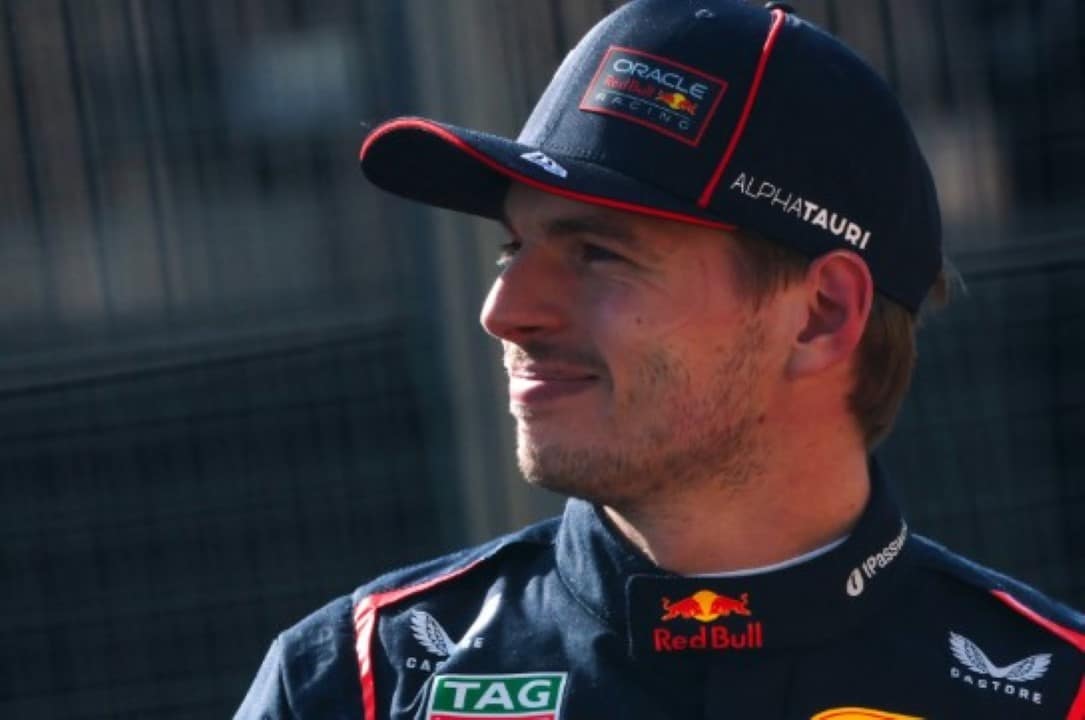
The core of Verstappen’s disagreement centers on the operation of the new engines. The system provides identical distribution between fuel power and electrical energy, a parity that the pilot considers detrimental to the dynamics of the races. Segundo its analysis, those who seek to make the most of their potential in the curves suffer an immediate performance penalty in the subsequent straights, creating a punishing scenario for aggressiveness.
The technical configuration forces pilots to make constant strategic choices about when to expend accumulated electrical energy and when to conserve it. Isso reduces the tactical freedom that characterized previous formats, where the pilot’s expertise in managing fuel and tires translated directly into competitive advantage. The new system subordinates this autonomy to battery management.
Verstappen questioned the sporting legitimacy of this approach. Para he, real motorsport demands that the fastest driver with the best strategy wins consistently, not that the regulations artificially force balance through asymmetrical technical restrictions.
Comparação with Fórmula E and competitive concerns
The three-time champion used a provocative comparison when describing future cars as “Fórmula E on steroids”. Essa analogy seeks to capture its central argument: over-reliance on electrical power denatures the fundamental character of Formula 1. The all-electric car category has always faced criticism about competitive authenticity, and Verstappen suggests that the new 2026 hybrid inherits similar problems.
Sua concern extends to overtaking. The driver argues that the new system facilitates artificial overtaking movements, where available electrical energy creates opportunities that do not arise from genuine speed or driving skill. Isso would transform stretches of racing into predictable and less spectacular sequences for spectators.
The implicit criticism of the FIA suggests that the federation prioritizes show and performance equalization over pure technical challenge. Verstappen argues that the Fórmula 1 should maintain the supremacy of the human and mechanical factors, reducing the role of electronic management which, according to him, favors less aggressive pilots.


Contexto of regulatory changes for 2026
The FIA implemented radical changes to the technical specifications in response to demands from constructors and interest from new manufacturers in participating in the category. The new hybrid regulations seek to reduce emissions and increase sustainable appeal without compromising the spectacle. Contudo, the transition has generated controversy among established riders.
The tests conducted on Miami represented the first opportunity to evaluate the real performance of the newly modified engines after a five-week break. The data collected will be used for fine adjustments before official implementation in 2026. Verstappen, however, signals that superficial modifications will not resolve structural issues that it considers fundamental.
The three-time champion’s position is not isolated. Outros drivers also expressed reservations about different aspects of the new regulations, particularly regarding the weight of the cars and the complexity of energy management during races. The disagreement between pilots and the federation marks a phase of regulatory tension.
Perspectivas futures and positioning of Verstappen
The pilot implied that he has express reservations about continuing in Fórmula 1 under the new regulations, as per previous signs. Sua outspokenness about technical dissatisfaction establishes public record of protest against the changes, documenting for historical purposes its official position before the new rules take effect.
- Verstappen reaffirmed that he truly judges motorsport through specific criteria:
- Desempenho solely and exclusively reflecting the pilot’s skill
- Tactical Estratégia free from artificial electronic restrictions
- Competição where the fastest wins without regulatory interference
- Predomínio combustion as primary energy source
- Autenticidade in overtaking based on genuine speed
The Dutchman’s position highlights the disconnect between the FIA’s regulatory vision and a high-level athlete’s perception of the future of the category. Esse conflict of perspectives will continue to mark debate about Fórmula 1 until the official implementation of the changes in 2026.
Veja Tambem em Latest News (EN)

Atlético-MG confirms agreement with defender Léo Duarte after period of prominence in Turkish football

Tiger shark bites 19-year-old girl and rips off her leg in Boa Viagem, Recife

2026 World Cup will have 32 athletes who play in Brazilian football

OnePlus develops portable video game with Android system focused on competitive shooters
New BYD Seal 6 DM-i Touring hybrid station wagon debuts in Europe with ample interior space and super-efficient engine

Costco reaches historic volume in gasoline sales in the United States with prices below market

June PlayStation Plus Catalog Brings Grounded and Warhammer 40,000 Darktide to Subscribers

Disney+ brings Avatar Fire and Ash finale to The Bear and new Pixar animation in June

Netflix updates June catalog with new season of Avatar and classic cinema sagas

Geely Xingyuan electric compact gains 47 kWh battery and autonomous driving system in China

Episode 1156 of One Piece marks arrival at Elbaf with decisive actions by Shanks and Blackbeard