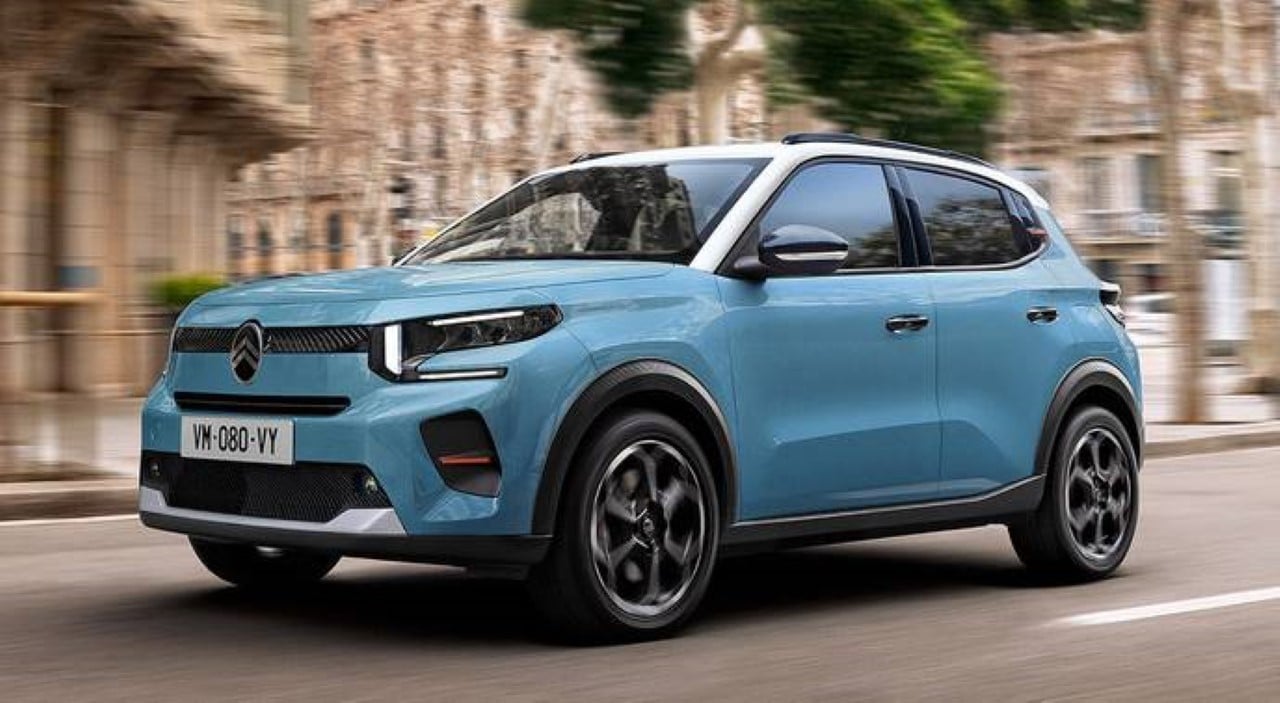
Citroën officially announced the arrival of the ë-C3 on the Japanese market, consolidating its strategy of democratizing access to electric vehicles in one of the largest global automotive hubs. The compact hatchback arrives in the Asian country with a proposal to balance advanced technology, competitive price and practicality for the intense urban use that characterizes Japanese cities.
Especificações techniques and model autonomy
The ë-C3 maintains the compact dimensions of the C3 line, facilitating maneuvers in narrow streets and limited parking spaces typical of Japanese urban centers. The battery offers a range of between 300 and 400 kilometers per full charge, sufficient for daily journeys without the need for frequent recharging. The regenerative braking system recovers energy during deceleration, optimizing energy efficiency in congested traffic.
Fast Carregamento at public points reduces stopping time to 30 minutes to reach 80% capacity. Using a domestic socket, the time varies between seven and eight hours for a full charge. Thermal management Sistema maintains consistent performance in varying climates, particularly relevant for regions with harsh winters in the Japanese archipelago.
Recursos core and embedded technology
- Autonomia 300 to 400 kilometers per full charge.
- Fast Carregamento in 30 minutes at 80% capacity.
- Recarga on domestic socket for seven to eight hours.
- Frenagem regenerative with energy recovery.
- Tração front with optimized torque distribution.
- Controle automatic climate control with eco mode.
- Painel integrated with infotainment and smartphone connectivity.
Interior prioritizes functionality and comfort. Adjustable Bancos and adequate luggage space reflect the brand’s practical philosophy. Compatibilidade with leading navigation platforms and modern connectivity systems facilitate integration with users’ mobile devices.
Posicionamento competitive in the Japanese market
Japão represents strategic market for electric vehicle manufacturers. The country has a consolidated charging infrastructure, government incentives for purchasing zero-emission models and high environmental awareness among consumers. Citroën has calibrated price and availability to compete with local rivals like Nissan Leaf and Honda electric series.
Parcerias with Japanese distributors and technical service network guarantee after-sales support and access to spare parts. Garantia extended battery packs reassure consumers about longevity and investment security. Presença Consolidated Dealership Ensures Reliable Purchasing and Maintenance Experience for Owners.
Sustentabilidade and emissions reduction
The ë-C3 significantly reduces carbon emissions compared to internal combustion engines. Processo battery manufacturing follows strict European sustainability standards. Reciclagem electronic components and metal structure aligns with Japanese and international environmental protection regulations.
Environmental Impacto is enhanced by the Japão’s clean energy matrix. The country continually invests in renewable energy, making the transition to electric vehicles more effective in reducing greenhouse gases. Governo offers purchase subsidies, making the ë-C3 more affordable than conventional models after applying tax incentives.
Estratégia corporate and industry context
Lançamento follows Citroën’s corporate strategy of expanding its electrical portfolio in developed markets. Ásia-Pacific represents a crucial opportunity with projections of accelerated growth in electric vehicle sales over the next decade. Citroën is positioned as an accessible brand within the Stellantis group, a structure that groups European manufacturers and optimizes sharing of technology and production costs.
Global Transição to Electrification Accelerates Under Regulatory Pressure and Consumer Demand. European Fabricantes face the challenge of reducing costs while maintaining quality and profitability. Strategic Parcerias and platform sharing between the group’s brands reduce investment in development and allow us to offer competitive prices. Sinergia in the supply chain optimizes costs of critical components such as batteries, reinforcing the commercial viability of the model in the Japanese market.