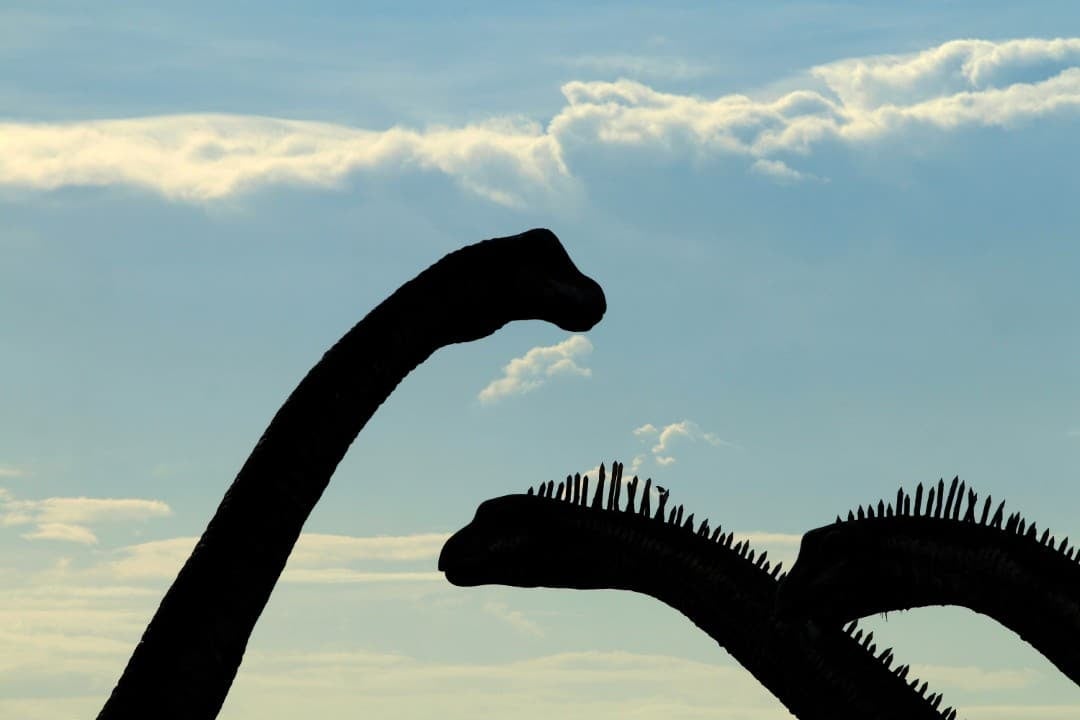
An international team of researchers from Reino Unido and Tailândia has identified a new species of giant, long-necked dinosaur from remains unearthed a decade ago. Nagatitan Chaiyaphumensis, a name that refers to a serpent from local folklore and Greek gods, represents the largest dinosaur ever found in Sudeste Asiático and offers clues about how the herbivorous giants adapted to the climate changes of the time.
The study, published in the journal Scientific Reports, was coordinated by Thitiwoot Sethapanichsakul, a Thai doctoral student at University College London (UCL). The research marks a significant personal moment for the paleontologist, who fulfilled a childhood promise by naming a dinosaur. The fossils were found next to a lake in the northeast of Tailândia, specifically in the province of Chaiyaphum, which gave rise to the scientific name of the species.
Dimensões that rival the largest prehistoric giants
The nagatitan weighed 27 tons, the equivalent of nine full-grown Asian elephants. Sua monumental mass allowed the animal to dominate the Tailândia ecological landscape 100 to 120 million years ago. Media 27 meters long, surpassing in size the famous Diplodocus and doubling Tyrannosaurus rex, which lived about 40 million years later.
Como A member of the sauropod family, the nagatitan was a long-necked herbivore specialized in reaching foliage at extreme heights. Essa physiological characteristic distinguished it from other contemporary species and reflected specific evolutionary adaptations to an environment where tall vegetation was abundant.
Sauropods represented the peak of dinosaurian gigantism during the Cretáceo period. Suas bone structures were optimized to distribute the enormous weight in a balanced way. Nagatitan shared similar anatomical traits to its distant relatives, but presented particularities that indicate independent evolution in Sudeste Asiático.
Extreme Clima and dinosaurian gigantism
The discovery of nagatitan sheds light on a geological period marked by pronounced climate instability. Há 100 to 120 million years ago, carbon dioxide levels in Earth’s atmosphere were continually rising, accompanied by elevated global temperatures. Essas conditions created a challenging environment for megafauna.
Professor Paul Upchurch, co-author of the study and researcher at UCL, noted that the most intriguing paradox is understanding how sauropods reached such enormous sizes in conditions of extreme heat. Gigantic Corpos naturally retain more heat and have greater difficulty dissipating thermal energy. Apesar From this thermodynamic disadvantage, these animals not only survived, but thrived.
Upchurch suggested that high temperatures directly impacted the availability of plant forage, altering the composition and quantity of food accessible to mass herbivores. Sauropods needed to consume extraordinary volumes of vegetation to sustain their colossal metabolisms, making them vulnerable to fluctuations in plant growing conditions.
The last titan of Tailândia and its paleontological importance
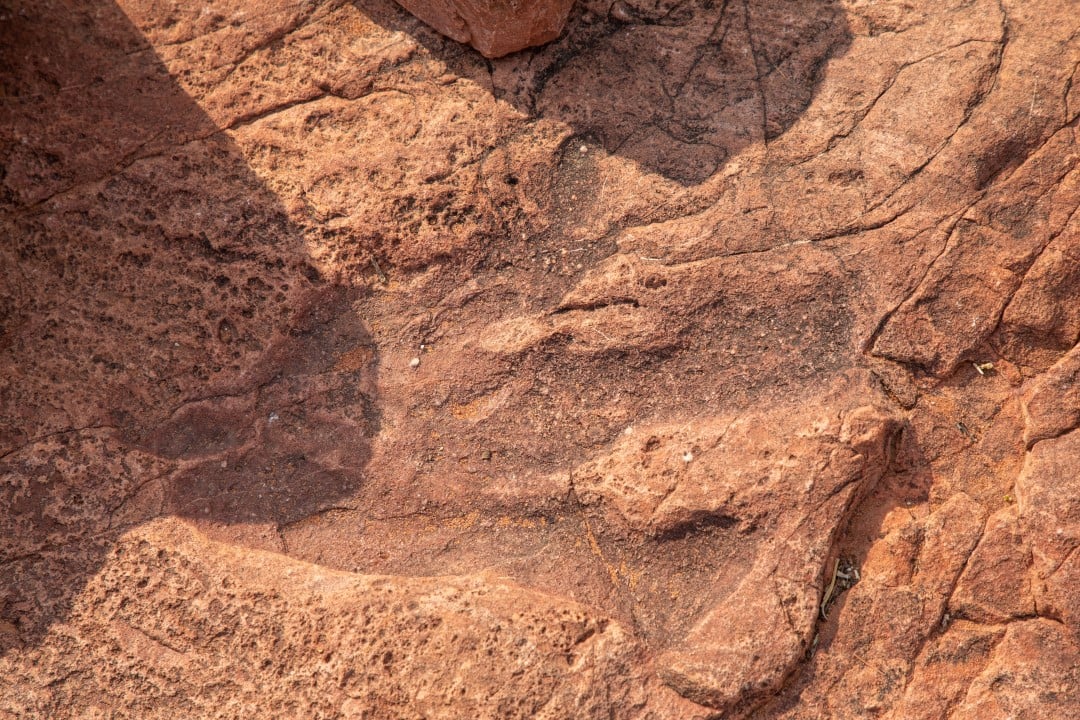
Sethapanichsakul classified nagatitan as Tailândia’s “last titan” because the fossils were discovered in the country’s newest rock formation that preserves dinosaur remains. Later Formações, deposited at the end of the dinosaur era, probably do not contain skeletons of these giants. Naquela time, the region had already turned into a shallow sea, making the preservation of terrestrial dinosaurs impossible.
Essa characterization reflects a crucial geological reality: the Thai fossil record documents the decline of giant sauropods before the mass extinction that wiped out all non-avian dinosaur lineages 66 million years ago. The nagatitan therefore represents a testimony to the last period of prosperity of these colossal herbivores in the region.
Tailândia has a long history of significant paleontological discoveries. The dr. Sita Manitkoon, paleontologist at Universidade Mahasarakham, confirmed that the country is home to an exceptional diversity of dinosaur fossils. It is possibly the third richest territory in Ásia in terms of quantity and variety of dinosaur remains already unearthed and studied.
Contexto greatest of Thai discoveries
Nagatitan is the 14th dinosaur to receive a formal scientific name based on evidence found in Tailândia. Essa sequence of discoveries reveals a paleontological wealth little known publicly. Cada new fossil adds information about ancient ecosystems and patterns of evolution that shaped the history of life in Sudeste Asiático.
Thai paleontological expeditions benefit from a unique set of factors: well-exposed geological formations, dedicated research from local and international institutions, and increasing funding for systematic excavations. Researchers continue to map fossil deposits across the country, particularly in the northeast and north regions.
Cada excavation adds layers to the puzzle of Mesozoic life at Sudeste Asiático. The commitment of scientists like Sethapanichsakul and Manitkoon ensures that future generations will have access to rigorous interpretations of these geological records. International collaboration amplifies the ability to analyze and contextualize findings.
Significado scientific and future prospects
The publication of the study in a global journal amplifies the importance of the Thai discovery for the international paleontological community. Pesquisadores from different continents now access detailed data on the anatomy, ecology and chronology of the nagatitan. Essas information allows comparisons with sauropods from other regions and periods.
The radiometric dating and osteological analysis methods used in the study establish rigorous standards for future species identifications in Sudeste Asiático. The transparent methodology ensures that conclusions can be verified and refined as new evidence emerges.
Previously explored Formações rocks could be revisited with improved techniques, potentially revealing additional skeletons of nagatitan or related species. Excursões planned for virgin fossil deposits may discover additional records that clarify still obscure aspects of this giant’s biology. The future of Thai paleontology promises continued revelations that challenge and expand knowledge about the age of dinosaurs.